
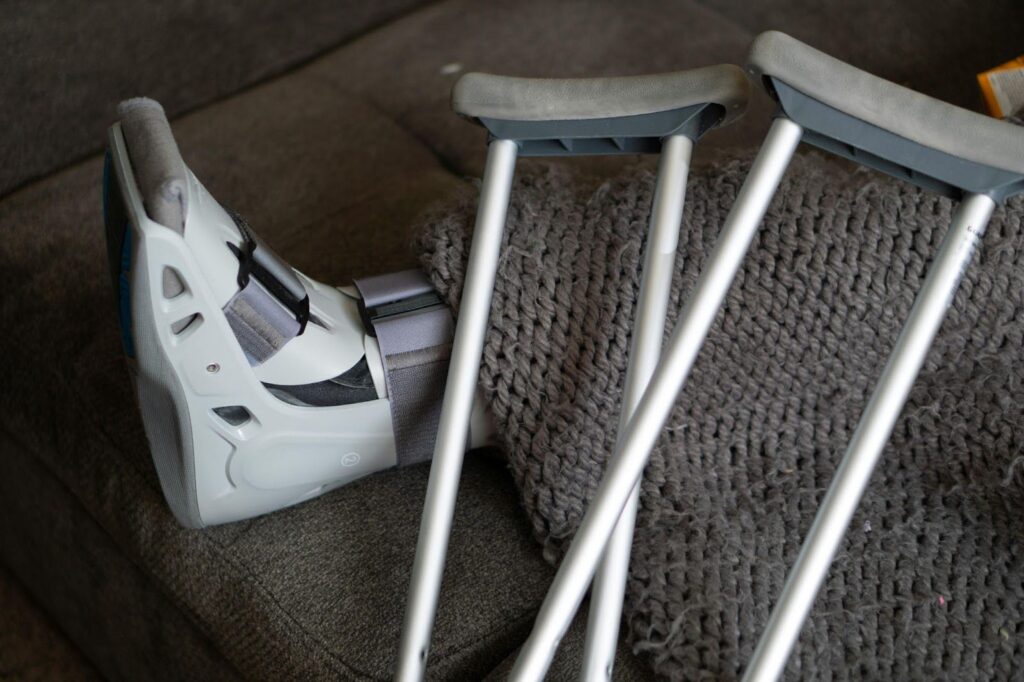
Photo courtesy of Pexels
Everyday accidents, like slipping on a wet floor, being rear-ended in traffic, or tripping on pavement, can appear as a minor incident at first glance. While people usually focus only on their immediate medical bills or visible damage, these incidents frequently carry hidden costs that surface weeks or months later. To fully understand the true impact of an accident, it is essential to know these less obvious consequences. Read on to discover what they are.
- Financial Loss from Missed Work and Reduced Productivity
Accidents frequently disrupt a person’s ability to work. Even mild injuries can require time off for rest, medical appointments, or rehabilitation. Workers without paid sick leave may lose income immediately, while self-employed individuals often experience even greater financial pressure when injuries prevent them from working.
In many cases, the impact does not end when a person returns to work. Ongoing pain, stiffness, or fatigue can reduce productivity and efficiency. Some individuals may struggle to perform physically demanding tasks or maintain previous workloads. Serious injuries may even force career changes or long-term work limitations.
These reductions in earning capacity often create financial strain that exceeds the cost of initial medical care. If you live in Virginia, consulting a personal injury lawyer Richmond VA offers can help victims understand potential claims for lost wages or long-term income loss.
- Long-Term Medical and Rehabilitation Expenses
Initial medical treatment rarely covers the full cost of recovery. Many injuries require ongoing care, including follow-up visits, diagnostic tests, physical therapy, and specialist consultations. Patients often need prescription medications, pain management strategies, or mobility aids, all of which increase expenses over time.
Some injuries do not reveal their full severity immediately. Soft tissue injuries, joint damage, and spinal strain may worsen gradually, leading to persistent symptoms that require extended treatment. As a result, individuals often face unexpected medical expenses long after they believe recovery has ended. These long-term costs can place a significant financial burden on individuals and families.
- Psychological and Emotional Consequences
People frequently overlook the psychological toll of an accident. Anxiety, sleep disturbances, depression, or fear of re-injury can develop even after seemingly minor incidents. These emotional effects may interfere with work performance, relationships, and overall quality of life.
Addressing mental health concerns often requires counseling or therapy, which carries its own financial and personal costs. The emotional burden can be just as disruptive as physical injuries, yet we rarely anticipate it in the immediate aftermath of an accident.
- Disruption of Daily Life and Additional Personal Expenses
Accidents frequently disrupt daily routines. Tasks such as commuting, household work, and caregiving may become difficult or impossible without assistance. Individuals may need help from family members or may hire support for transportation, childcare, or domestic responsibilities.
Injuries can also prevent participation in exercise, hobbies, and social activities. Reduced physical activity may slow recovery and affect overall health. Social withdrawal also contributes to emotional distress. Although these losses do not always involve direct financial costs, they significantly affect independence and personal well-being. Over time, these lifestyle disruptions can create long-lasting challenges that individuals rarely anticipate after an accident.
Endnote
Everyday accidents often create consequences that reach far beyond immediate injuries. Lost income, prolonged medical care, emotional strain, and lifestyle disruptions combine to form a lasting burden. When individuals recognize these hidden costs, they gain a clearer understanding of the true impact of accidents. Careful attention to the consequences allows individuals to plan recovery more effectively and protect their long-term well-being.