Several Delaware hunting seasons opened on Tuesday, Sept. 1, marking the start of the state’s overall 2026-27 hunting season. Chief among them is archery deer season, resident Canada goose season and the traditional Delaware dove opener in sunflower fields across the state. Read more
NOAA offers a variety of student internship and fellowship opportunities. This summer, the Northeast Fisheries Science Center hosted 22 students from 10 states and 11 different colleges and universities.
In these profiles, students share a little about internship experience and research projects. Project topic areas ranged from ocean acidification, feeding and food web dynamics, and microplastics, to fish and fisheries, aquaculture, and protected species.
The United States Coast Guard today announces the initial release of Navita™, a new digital platform designed to streamline the application and issuance of merchant mariner credentials.
The Latin word for “sailor,” Navita™ (pronounced “Nā·vï·ta”) will reduce paper-based applications and manual processing by providing a simplified electronic application. The new process will reduce common errors and improve transparency of the mariner credentialing process.
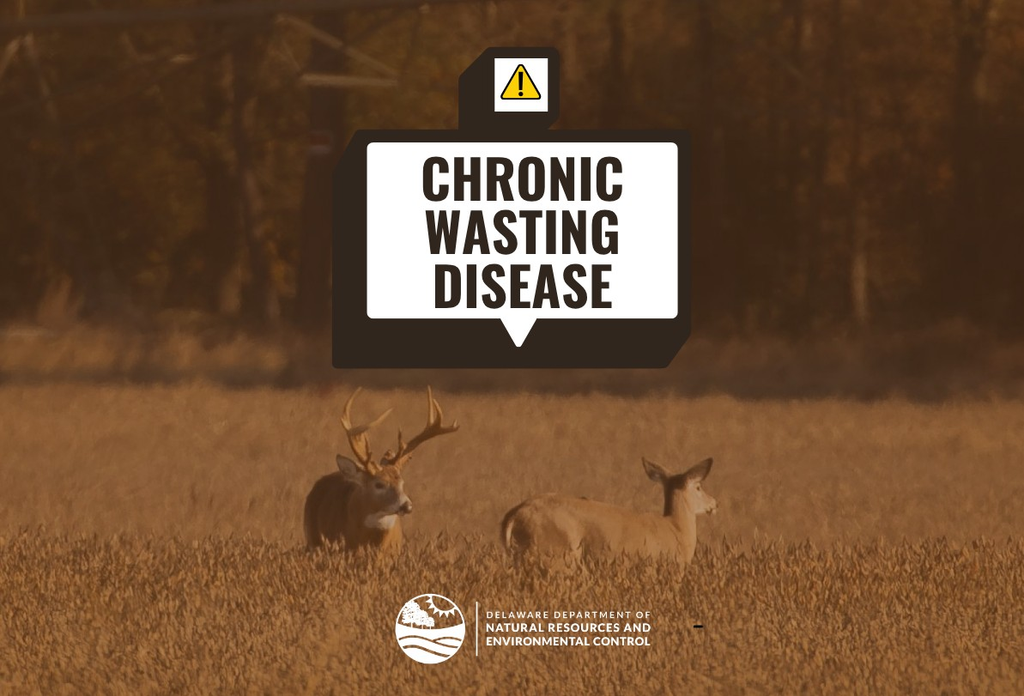
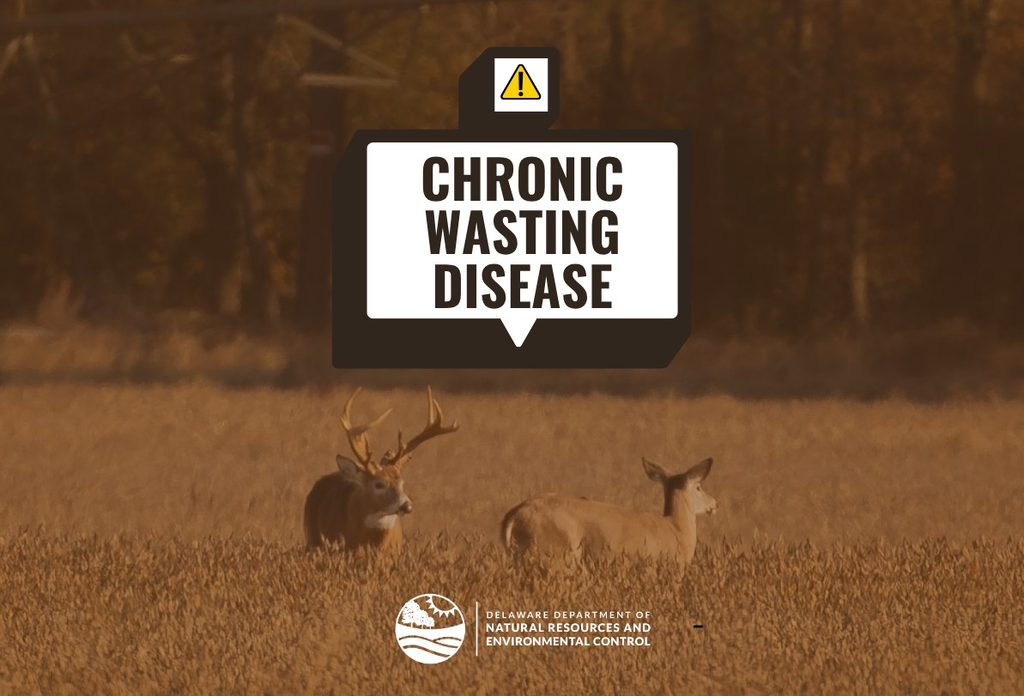
DNREC Community Meeting Wednesday, Sept. 16 to Provide Update on State’s CWD Response and Explain Temporary Emergency Deer Hunting Regulations
Delaware has confirmed a third case of chronic wasting disease (CWD) in a white-tailed deer in central Sussex County. The new detection expands the state’s Chronic Wasting Disease Management Zone (CMZ) to include Wildlife Management Zone 11, along with zones 14 and 16. The Delaware Department of Natural Resources and Environmental Control is applying temporary regulations in the additional affected area to help limit the spread of the disease.
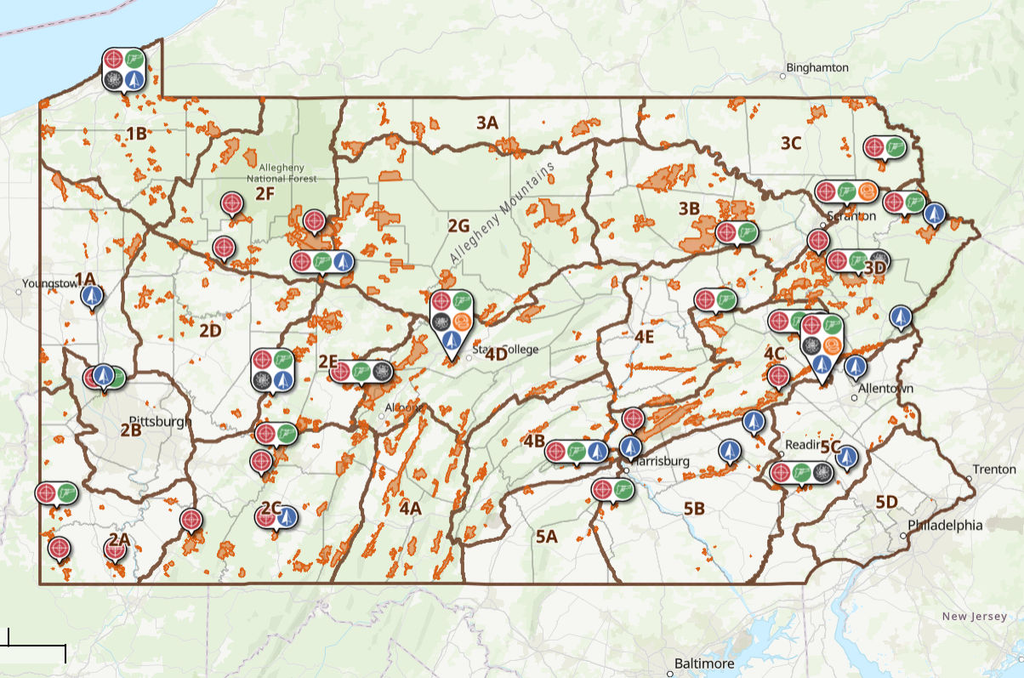
The new Pennsylvania Game Commission Mapping Center is now available with several improvements. A cleaner mobile-friendly interface, faster access to maps and info, live data from authoritative sources. Improved search, navigation and overall performance.
2026-27 marks the first Pennsylvania hunting season with Sunday hunting expanded to include all Sundays that fall within season start and end dates, except migratory game bird seasons.
While Sunday hunting is open for all state game lands and state forests, it’s limited in some state parks and state preserves.
New Jersey is offering free hands-on fishing workshops for beginners and families at four locations this fall. All equipment, bait, and tackle are provided—you just show up ready to learn.
Workshops cover fish biology, equipment setup, casting, safety, and fishing regulations. You’ll practice your new skills with a guided fishing experience at each location.
Three workshops are scheduled in September and October across North, Central, and South Jersey. This includes a Grandparents’ Day workshop on September 13 in Hackettstown. Programs are open to ages 8 and up (some workshops 10+).
The Fall Bow Deer Season opens this Saturday in certain Deer Management Zones. The first deer must be antlerless (except for youth hunters) through October 2.
The season then opens statewide on Saturday, October 3. Refer to the Deer Hunting by Season and Zones for specific bag limits and other information.
Permits for all deer permit seasons and bear hunting season will go on sale Monday, September 14!
This workshop is mandatory for all new shark and swordfish limited access permit holders and applicants for permit transfers fishing with longline or gillnet gear. Vessel owners and operators with expiring certificates must also receive a new workshop certificate prior to permit renewal.
Pre-registration is highly recommended but not required. To pre-register, please contact Angler Conservation Education at (386) 682-0158.