Brooklawn, NJ (Sept. 29, 2026)–The Brooklawn Fall Festival will be held this Saturday, October 3, from 12 noon to 5 PM at the Brooklawn Waterfront. Live bands, food trucks, a beer garden, craft vendors, activities for the kids, Pony rides and community groups will be there.
You are invited to join the fun, socialize with your neighbors and friends. Come out and enjoy the Party. Guarantee you wont regret it.
Pumpkin decorating is just one of the fun activities available during festivals at Delaware State Parks this fall. /DNREC Division of Parks and Recreation photo
This fall, visitors can turn a trip to Delaware State Parks into the ultimate fall road trip with festivities popping up across the state.
Along the way, travelers can hike beneath changing leaves, bike scenic trails, paddle quiet waterways, discover historic sites, enjoy seasonal programs and extend the trip with camping or cabin stays. Part of the Department of Natural Resources and Environmental Control, there are 17 state parks across Delaware, and fall offers an ideal time to experience the variety of landscapes, outdoor recreation and history found throughout the state.
Join one of the many special events and activities hosted by Delaware State Parks Friends organizations:
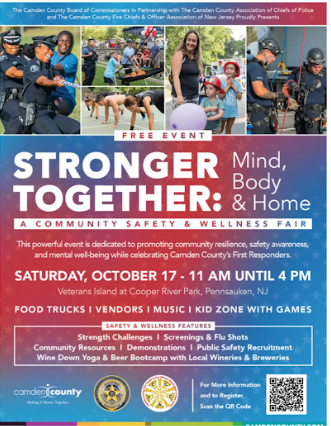
The public is invited to attend the Camden County Assn of Chiefs of Police Community Safety and Wellness Fair at Cooper River Park, Pennsauken on Saturday, October 17. Food Trucks, Vendors, Music, Kid Zone with games.
The Philadelphia Police Department will host its first-ever Cops and Kids Back-to-School Gaming Event, bringing approximately 400 school-aged children together for an afternoon of gaming, entertainment and positive interactions with Philadelphia police officers.
Who: The Philadelphia Police Department
What: Approximately 400 children will enjoy gaming, activities, school supplies and positive interactions with police officers
Whether you’re looking to unwind after a long day or revisit the excitement of classic Filipino perya games, GameZone online games make it easy to enjoy your favorite titles anytime and anywhere. Their convenience is a huge part of the appeal, and it’s one reason online gaming continues to grow in popularity.
Celebrate the 250th anniversary of our nation in the city where it all happened. Make it a night at one of the many hotels hosting Independence Day events, take in the rich history that you’ll find at every turn and of course, don’t miss the live show and fireworks!
How Do You Play GameZone Online Games Responsibly?
Why a PAGCOR License Matters
Why GameZone Appeals to Filipino Players
Warning Signs It’s Time to Take a Break
Final Thoughts
Frequently Asked Questions (FAQs)
Author’s Bio
Playing games is a hobby that can promote fun, relaxation, and satisfaction. A 2025 survey by the Entertainment Software Association reported that over 70% of players globally treat gaming as a way to relieve stress and anxiety.
In the Philippines, GameZone online games are accessible to players seeking perya fun and nostalgia digitally. And with that accessibility comes responsibility.
The iGaming sector is growing at a very fast rate today. So what can we do to make games more accessible and comfortable to all people? The solution is that of inclusive design. Have you ever wondered why there are games that are not easy to comprehend? This is usually a result of failure to take into consideration various user characteristics. The inclusion design enables you to develop universal solutions by ensuring that the solutions will fit all people, irrespective of their age or physical state. This will enhance communication quality and make games more enjoyable for a large population.
Inclusive design is not only about caring for people with disabilities. This is an approach that takes into account the diversity of players: age, culture, skill level, and technical capabilities. As an illustration, one needs to mention that such solutions are being put to work on a variety of modern platforms, with the mFortune UK being one of the most popular platforms. They make the interface clear and convenient for everyone. This makes players feel more involved and comfortable during gameplay.
Why is inclusive design important in iGaming?
Think about it: How many players can’t fully enjoy the game because of the inconvenient interface or incomprehensible content? You must admit, it’s unpleasant. But it is comfort and pleasure that attract new users and keep the regular ones. Inclusivity helps to expand the audience and improve the company’s image. If you want your games to be popular, it’s important to think about each group of players. This means adapting products so that no one feels excluded.
In addition, many countries are introducing legislation on the availability of digital products. This means that creating inclusive games is not only an ethical but also a legal necessity. But how do we put these ideas into practice? It is necessary to implement special technologies and thoroughly test each interface element. This is the only way to achieve convenience and accessibility for everyone.
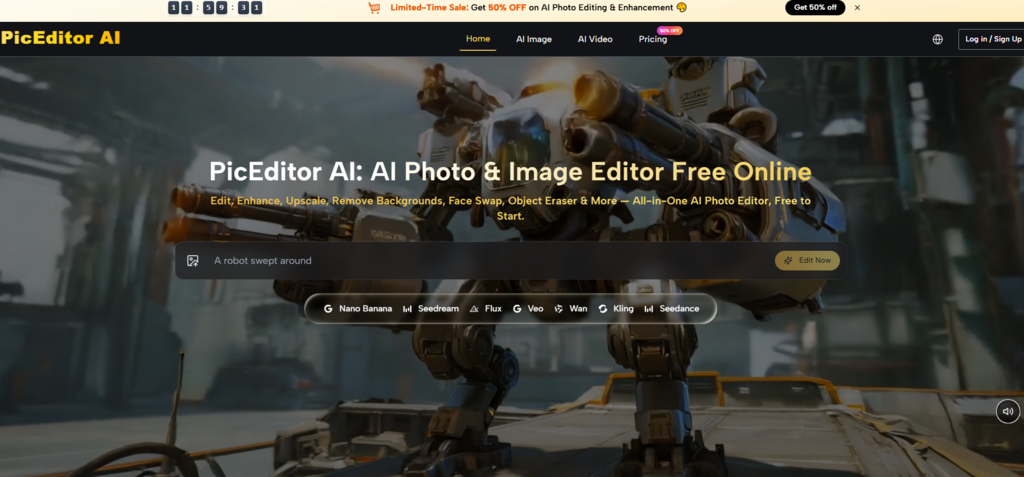
The AI image editing space has a quiet problem that most promotional content avoids. Almost every platform talks about its model as if one engine can handle every editing job equally well. In practice, that is rarely true. A model that produces stunning style transfers may struggle with removing a simple background line. An engine that removes objects flawlessly may distort facial features when asked to adjust lighting. I have seen this pattern repeat across dozens of tests, which is why the structure of PicEditor AI caught my attention differently. Instead of betting everything on a single model, the platform integrates multiple engines and lets the user choose which one fits the task. That approach does not claim perfection, but from a practical user perspective, it solves a real frustration. And that is exactly where AI Photo Editor starts to feel less like a demo and more like a workspace designed for actual variety.
Different Editing Jobs Pull in Different Technical Directions
Not every edit asks for the same thing. Some jobs need photorealistic detail preservation. Some need raw speed for rapid iteration. Some require pixel-level precision on complex regions. Some need to turn a still image into motion. A single model optimized for one of these directions will inevitably be weaker in others, not because it is bad, but because optimization requires trade-offs.