(CNBNews)–Gloucester City Mayor William James released his annual State of the City Address FOR THE YEAR 2015. James begins his third term in office after winning re-election in November. He ran unopposed. He was first elected to the position of mayor in 2007. The mayor of Gloucester City serves a term of four years while a council members\’ term is for three years.
His written statement reads as follows,
As we move into the New Year 2015, I want to thank you to all our city employees and volunteer committee members for the successful 2014. Hopefully, by continuing to work together, 2015 will bring about more positive changes and enable us to maintain the same quality services we have afforded our citizenry over the past 8 years we have been in office.
As I do every year, I release the following information relating to projects underway, projects completed, and projects planned for the upcoming year. This administration remains positive and we are aggressively pushing forward with redevelopment projects that will make us a more self-sustainable community in the future. We realize that not everyone is comfortable or welcome to change and or the risks associated with project development, but projects such as the redevelopment of Chatham Square, the redevelopment of Freedom Pier and the redevelopment of the Southport area of town are absolutely necessary if we are going to sustain during these difficult economic times and embrace the inevitability of future self-reliance. We will continue to aggressively look for new opportunities to share services, to identify new sources of revenue, and closely monitor all cost-saving opportunities for rates of success or failure. With the reduction in state aid, the continuing practice of state government always in mind, it remains this administration\’s inherent responsibility to provide Gloucester City’s taxpayers with the best possible services within a reasonably presented budget. Department\’s heads have submitted their budget requests and will be individually meeting with the administration and finance committee. These submitted budgets will then be examined line item by line item, keeping in mind the 2 percent cap and its’ implications on day to day operations throughout the city. Only items such as Capital related infrastructure, 5-year equipment related projects, and Health benefits are excluded from the 2 percent cap, but the steadily increasing costs of health benefits continue to have a crippling effect on all local government budgets. I remind you again that although very frustrated at times with the pace that the government operates, we remain optimistic of our city’s future and will continue to work hard to protect your investment in our community.
Mayor and Council have hired a new City Solicitor, we thank former solicitor John Kearney for his service over the past 8 years and look forward to a smooth transition. The new City Solicitor is the firm of WADE, LONG, and WOOD from Gloucester Township N.J. The firm has 6 lawyers with a diverse experience base that includes Redevelopment Law, Condemnation, COAH, Land Use, Ordinance preparation, Public Bidding Laws, Local Lands and Buildings Law, Environmental Law, Open Space Acquisition, Tax Appeals, Contract Negotiations and Labor Law. During the upcoming year, we will be addressing many things that require this type of representation and we want to assure you that our selection was made with great care after much consideration and input from all, inclusive of our administrative staff.
Regarding Chatham Square apartments, we are presently in contract negotiations with the NHP Foundation out of New York to purchase the property and turn it into a 55 and over affordable housing facility with amenities. The figures and method of payment are being worked out through the presentation of a contract to purchase and hopefully, we will be moving forward shortly. Early this year city representatives will visit some of the projects that the company has already completed and once we are satisfied we will continue to move forward. We are also talking with a few other interested developers and hopefully, we will shortly identify the one that makes the most financial sense and best practical end-use.
We have recently been approached by the Railroad to close a crossing. The one selected for closure is the Powell St. intersection. In exchange for the closing, the railroad in concert with the Federal Government, with giving us 8 new grade crossings, which includes replacement parts. We walked the neighborhood of Powell St discussed this with some of the residents and left a notice for contact with those residents who weren’t home. Most seemed favorable to the idea as it is used as a cut-through to avoid the Market St. traffic and light at Broadway and Market making it more hazardous for neighborhood children.
We have completed and filed our governmental Best Practices Inventory and again have successfully improved the way we run the government. This inventory, which was started about four years ago, is directly related to our State Aid and we continue to improve and address all areas of concern.
Regarding Freedom Pier improvements and the Ott’s Restaurant project we have met with Ott’s on several occasions and they meet on a weekly basis themselves regarding the project and its’ forward progress. Ott’s has retained their architect and we as a partner are moving forward with our infrastructure design and water front development permit. This project also includes in water improvements such as a dock for off water customers and a breakwater to keep debris out of the northern most slip of the property. This project is moving forward and the in water docking has been installed.
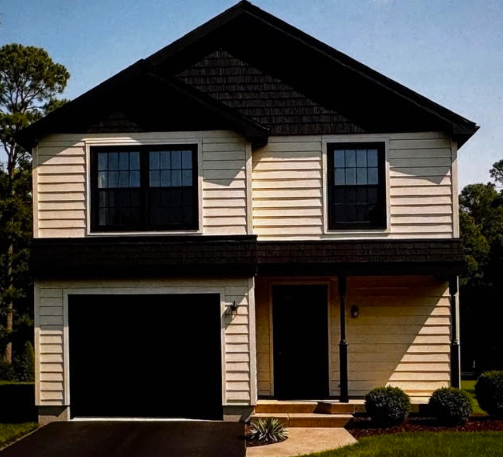
We are building 3 new homes at the intersection of 4th and Powell Streets where the old Gannon building once existed. One property will face Market St. and the other two will face Powell St. The properties will be deed restricted for home ownership and will be listed as affordable at $91,000. There will be income limits applied and a required credit rating also. Closing cost assistance and home ownership classes will be available and required of all applicants. These homes will be all green built and all high energy appliances will be included, the homes will also have fire suppression systems, off street parking and fenced yards. One home has been built and is under contract. This enables us to begin construction on home two.
Our road resurfacing project continues, with major projects such as infrastructure and road replacement on the 900 block of Monmouth, the 900 block of Hudson St. (Which will be resurfaced this spring) and Cumberland Street from the railroad to the graveyard. Other streets resurfaced this year are Eighth St., Edwards Drive, Ellis St,. 4th street, Stites Ave, Walnut St., Chestnut St., A portion of Thompson Ave, and the resurfacing of the Johnson Blvd Basketball courts (which will be coated and striped in the spring of this year). It is our intention to make the courts basketball only and we are working with the swim club to rent their tennis courts for public use.
We have been awarded a $400,000 grant for infrastructure replacement and resurfacing of Hudson St. between Burlington and Sussex St. This project was absolutely necessary according to our Environmental Utilities Administrator Fred Schindler and it will further compliment the work that was required in the 900 block of Hudson St. Other infrastructure projects are the acquisition of two portable bypass pumps to assist in flood prone areas at times of high tide and heavy rain, the replacement of the King St. pumping station, the renovation of well #42 on Nicholson Road, and the replacement of water meters citywide.The city recently took possession of the old OS Johnson building located at the intersection of North Broadway and King St. In an effort to reduce truck traffic in town we approached the owner of the two gas stations on Broadway and Market Sts who is the only supplier of Diesel gas for trucks in the area, we offered the idea of building a gas station on the point and no longer servicing big rigs at the Market St. location. This would keep the trucks north of town and also lessen the damage the trucks cause as they maneuver throughout town. This project is on hold at the Planning and Zoning Board stage and will probably require further litigation due to a contested redevelopment designation.
The Economic Development Committee continues with their efforts to Improve the Monmouth St. Business district. All of the properties are being gutted and redone to improve marketability The apartments upstairs are being completely redone and will become available soon. The Committee itself will have a press release in the near future informing you of their progress, success and future goals. I want to thank all members of the committee for their community involvement and hard work on this important project. We have also passed a \” No Smoking\” ordinance within the business district from Atlantic St. to the Railroad on Monmouth St. This was done not only for health purposes but also because of the overwhelming amount of cigarette related litter along the corridor.We continue to enter into Shared Service Agreements and an example of that is the resurfacing of 4th St last year and Stites Ave, this year which was completed by the Borough of Bellmawr. Our public works department in exchange for this work assists Bellmawr with manpower and equipment when needed. We have also entered into a Shared Service agreement with the City of Camden, taken possession of a rescue boat which will be used to patrol our waterfront. The vessel, which is at #1 Fire Headquarters, will be used to cross train both Police and Fire in water rescue operations and enforcement.
This December was our third round of revocation hearings we had 13 scheduled to be heard, the prior hearing 22 were heard. This program which addresses bad landlords and bad tenants is moving along with the assistance of the police department, the fire department and the housing department and has had a dramatic impact upon the quality of life in the affected neighborhoods. To date, we have revoked close to 25 licenses to rent property in the City of Gloucester. We will not tolerate bad landlords or bad tenants and we have made that clear throughout the community. For the first time ever we now have a representative group of landlords and investors who meet to address these type problems in the community and they share information regarding the problems with the police departments’ officer William Johnson who then takes the necessary steps to remediate the causes.
This past year we were awarded a 260,000 grant to purchase two mobile pumps and we thank the Camden County Freeholder Board for their support. The pump will assist us in handling flooding situations in areas prone to flood during heavy storms especially those associated with times of high tide. Also, awarded was a $25,000 grant to assist with the resurfacing of the Johnson Blvd basketball courts. This project is partially completed and will be finished in the spring with further resurfacing and paintingThe ball field project has been completed and this past season we were back to normal. Both the North Johnson Blvd fields and South Johnson Blvd fields are truly the best that South Jersey has to offer children and it certainly creates a pride in the community. I have to thank all the coaches, parents and children of our community for their patience and sacrifice that they have displayed during the course of the remediation and also thank the Federal Government for the clean up and the contractor for their professionalism and workmanship.
We have a new developer for the Southport area of town. Organic Diversions is still moving forward and they along with other experienced developers under Southport Renewal LLC will be our partner in moving forward with property remediation, wetland mitigation and marketing for future business in the long distressed area consisting of over 150 acres of prime real estate. The developer agrees with us that water front access for our public should be a priority of any development plans. It is happening after 30 years of vacancy and blight, the dirt to raise the property to the necessary levels for development is being delivered and all permits have been obtained to move forward. A ground lease will soon be signed between the City and Organic Diversions and we will continue with our efforts to engage CBS Viacom and the Department of Environmental Protection for a 3 party agreement that will allow for the acquisition and remediation of the property for future development of that site as well.All seven of our unions have settled their contracts. We thank our unions for being reasonable during these difficult economic times and also thank them for all their hard work in making Gloucester City a great and safe place to live. We have the process to begin negotiating again soon and we will continue to do so fairly with the interests of the citizenry in mind at all times.
We have now obtained a DEP permit to perform maintenance dredging at our marina, this is essential to its’ continued success. This year was very successful with the addition of several fishing tournaments inclusive of the televised Bass Masters Tournament. We will continue to market the Marina considering it as one of the community’s finer assets.
The seawall repair along the area of the city park became quite evident especially after Sandy.S We had the wall engineered and found it to be sound, but in dire need of repair.S Funds were allocated and a contractor was hired to complete the task. He began the work and will revisit in the spring to continue on his course of action depending on the success of his efforts already completed. We are also in contact with the Army Corp of Engineers and are requesting assistance with this very expensive and complex project, we don’t want to have to revisit this issue in the future.
In our last conversations with the School administration, the new school is a go with a scheduled start in early 2015. The project is estimated to take two years. Superintendant Joe Rafferty and Facilities Director John Kenney deserve a lot of credit for all their hard work and commitment to this project becoming a reality. I also want to thank not only the present Superintendent and School Board members, but also those who have worked so hard on this project in the past as well. It has been over ten years since the neighborhood vacation and demolition and I am looking forward to the entire transformation that will come to that section of townOur property reassessment has been completed as required by law and all taxpayers have received contact information for questions related to the process, as well as information related to the appeal process.
Preparations for next years’ budget process are under way and have been ongoing. We want to thank our department heads and the finance committee for their budgetary watchful eyes that resulted in a surplus over last year. This is a very difficult and time-consuming process, but we will continue our financial prudence and provide you with the best of services at the same time.We have initiated the King Street façade program offered to all King St. residential properties. 10 properties will be addressed at this time and other property owners have expressed interest in participating in the program. This program is being conducted with the assistance of the Camden Based Saint Joseph Carpenter Society. The Society is also assisting us in identifying target areas in town needing improvement as it relates to housing stock and conducting classes for those wishing to become home owners. They will soon open an office in town and we welcome them and look forward to a lasting working relationship to improve the quality of housing in our community.We continue with our Broadway Streetscape program, this year we did Phase 2 Monmouth to Hudson Streets as well as Phase 3 Hudson to Mercer Streets next in Phase 4 we will move south from Market to Hunter Streets.
Due to the antiquation of our present water meter reading system and the inability to obtain replacement parts for the existing meters we are replacing the existing system with new meters and a new reading system. We ask for your patience during this huge endeavor and also ask you to please cooperate with the men of our Environmental Utilities Department during the process.We replaced the windows at City Hall, put a new roof on the courthouse and a new roof on the Community/ Senior Center. We will be looking at painting city hall next and will keep in mind the historical significance of the building during color selectionGloucester City Day went off as a huge success and I want to thank Ted Howarth for picking up the ball and doing a great job with the events’ organization. The Celebrations Committee chaired by Councilwoman Nancy Baus also did a great job with the Easter, 4th of July and Christmas Celebrations along with the members of the Celebrations Committee. We thank them all for their hard work and commitment to the citizens of Gloucester.Our City Beautification Committee continues to impress. This years’ entry way signs were well kept and were very well decorated giving the impression of a community that cares. The hanging baskets and flowering Urns were a great addition to the Monmouth Street business district this year and we will be reaching out to the committee to help us with the tree lighting as everything they do they do so well. Chaired by Mickey Glassman, they are to be commended.
The restructuring of the City Council election process is completed, the individuals, who will run next citywide, are Councilman John Hutchinson, Councilman Bruce Parry, and Councilman Patrick Keating. This election will take place on 2016.We have instituted a vacant property ordinance and an abandoned property ordinance that allows us to fine vacant/abandoned property owners for not taking action with their properties and under certain situation allows the city to take possession of the property and either demolish or repair same in an effort to promote home ownership. We have targeted several properties as those that will make the most impact upon a neighborhood and our efforts will be most aggressive. Recent State legislation has also afforded us further authority to act against bank owned and foreclosed properties.We continue to deliver our Informational City calendar to all city residents and businesses and want to thank all of our sponsors who make this wonderful tool available to our community.
Channel 19 is now in the hands of the High School and we will soon be back up and running with new equipment and a new opportunity for our students who are interested in the field and related technology. We will be working with Superintendent Joe Rafferty and Principal Sean Gorman to assure the programs’ success.We are selling off city-owned non-buildable vacant lots to adjacent property owners thereby returning them to the tax rolls and lessening our burden of maintaining them, especially during the summer months. The process is open and legal and all adjacent property owners are notified and have the right to bid on the land.Our walks throughout our neighborhoods have been very informative and successful, they will continue throughout this year. The Mayor accompanied by the Chief of Police, the Housing Inspector, the Public Works Supervisor , the City Administrator and other members of council all attend these walks which are done periodically with the purpose of identifying issues that affect the quality of life within various neighborhoods.
Our efforts in drug enforcement have significantly increased and will continue to do so with the adamant support of this administration. Drugs are at the root of 90 percent of crime in a community no matter where you live and left unaddressed can have a devastating impact upon the quality of life in our community. This years’ institution of the Directed Patrol Unit has made a significant contribution to improving the quality of life within our community. By embracing the concept of the \”Broken Window Theory\” and addressing the little things such as loitering, vagrancy, littering, jaywalking, drinking in public, and making street contacts through foot and bike patrols, officers in the unit have become a thorn in the side of criminals looking to victimize our community. With the retirement of Ptl Harlan Blackiston and Chief George Berglund the City will be hiring replacements this January. On behalf of Mayor and Council and the citizens of Gloucester City, I want to thank George and Buddy for their years of service and wish them luck and good health in their retirement. Deputy Chief Ken Eller will be the acting Chief of Police until further determinations are made. I want to thank the men and women of the Gloucester Police Dept. for their professionalism and work during the year and support them fully in their efforts to make Gloucester City a safer place to live.The Fire Department had three new hires this year bringing them up to proper staffing levels. Joe Mellon retired and will be missed, Joe started as a volunteer at Highland Park Fire Dept. with his dad many years ago and has committed his life to firefighting ever since. We wish him luck and good health. I want to thank the men of the fire department for their community involvement with their residential fire protection program and for not only protecting the city 24/7 but also for their mutual aid to surrounding communities throughout the year.
The Department of Public Works has two new pickup trucks as well as a small roller and trailer to replace an antiquated one. This will allow us to continue to repair and repave street openings caused by water main breaks and other infrastructure issues that cause the streets of the City to be opened. We continue to paint stop bars, line parking lots and replace old street signs throughout the City. We have recently replaced all street sweeper signs in the Gloucester Heights section of town. We hope to continue this work this year in another section of town where it is most need and then keep moving on from there. We have painted and refurbished a number of offices at City Hall inclusive of the Clerks’ office and the Tax office, other offices will be addressed this year. We want to thank Alex Tedesco and the men under his command for their work this year as we have asked them to do a little more for us in money-saving projects that normally would have been contracted out and they have proven more than capable to assist us in this regard.The Environmental Utilities is at the forefront of Shared Services with its Brine System. The Environmental Services Department currently sells Brine to 6 area municipalities which bring much-needed revenue to the City and the local municipalities get the Brine cheaper than if they went out in the market for it. Well #42 and Well #43 have been upgraded and the City continues to replace old water and sewer pipes with new pipe when we do street work. We recently replaced a whole block of pipe along Johnson Blvd from Monmouth St. to Somerset St. after a cave in. The City has purchase a new van which will be used for reading water meters this will allow employees to drive down the city streets and reads the meters. This will make reading meters more efficient and less time-consuming. Additionally two pickup trucks were purchased for the Environmental Utilities Department to replace old vehicles. These new trucks are more energy efficient than the ones we are replacing. We will continue to make repairs to the city’s water and sewer infrastructure to keep up with the every changing federal, state and county edicts. We thank Fred Schindler for all his work and that of the men under his command these guys work under some of the worst conditions one can imagine and have consistently gone the extra mile assisting with the lakes and maintaining a beautiful facility.
The Northwind Schooner continues to be operated by non-profit corporation Gloucester City Sail. This group meets on the 3rd Wednesday of every month at 6pm, 512 Monmouth Street. The public is welcome to attend and they are always looking for volunteers to serve on their Board or become certified crew members. Funds received by a grant from PSE&G and other fund raising events covered all operational expenses other than insurance which the city pays as owner in 2014. We remain the only charter schooner on the DelawareRiver that provides student educational trips and the schooner is also available for private charters. Our 2015 goal is to advertise the Schooner and its’ port, Freedom Pier, Gloucester City N.J. to the people of Philadelphia and the South Jersey area
For the first time since the Walt Whitman Bridge has been built, thanks to the Gloucester City Business Association, working with Mayor and Council and Chairman of the DRPA John Hanson we now have signs directing traffic to Gloucester City.We are working on a Train Quiet Zone Application to submit to the State and Federal Railroad Agencies for a Horn Quiet Zone on our main north-south railroad the goes through town. Two local citizens, Morgan Reicher, and Ed Gorman have been working with Bob Bevan and the Mayors’ Office on this project and this application will be submitted by the end of January.
In closing I want to thank all of our employees, volunteers and advisory group members for their commitment to making Gloucester City a better place to live and I promise that Mayor and Council will do everything in their power to assure we achieve that goal which is common to us all, making Gloucester City an even better place to live. On behalf of myself and members of City Council, have a happy, prosperous and healthy new year.
Like this:
Like Loading...