
NJ Gaming Officials Tussle Over Crypto Cash, Eyeing Volatility Fix

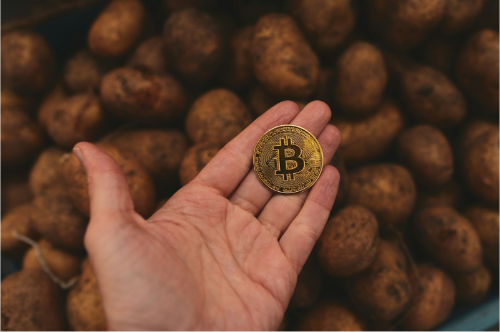
Person Holding Bitcoin – Free Stock Image

Cryptocurrencies are being adopted into the daily lives of many individuals and becoming a prominent payment form, which is causing New Jersey a huge headache. More specifically, more individuals want to use their cryptocurrencies when it comes to leisure activities like gambling. This applies to sports betting, casinos, and iGaming platforms, which can see the NJ state taking a huge step. However, officials are hesitant for a number of reasons, many surrounding major safety and financial challenges.

For one, the DGE (Division of Gaming Enforcement) is concerned about crypto volatility and how it would navigate this. If a punter were placing a $100 bet in Bitcoin at an online casino, and the value of the BTC suddenly dropped or soared, how would this be handled? It could result in a nightmare situation regarding fairness for both the player and the casino. A solution to this would be to look at how newer or out-of-state crypto gambling sites account for these potential market surges. 

New Fast Withdrawal Casino is a good example of a platform that offers fast withdrawal methods, huge bonuses, and enhanced privacy. Crypto plays a large role in these platform archetypes, with volatility usually being solved through the use of fiat currencies. Upon players depositing funds in the crypto of their choice, the casino immediately converts the funds to fiat currencies or stable coins while holding it. As such, if a player gets a win, the owed amount gets converted back to cryptocurrency and paid out, completely evading the impact of market surges.

Beyond this, further pressure is being placed on NJ to take action as residents are using their digital assets to gamble elsewhere. Specifically, they are making use of offshore sites that do not follow state regulations, which means two things: the state is losing money, and players’ safety is at risk. This moves millions of dollars outside of the regulated NJ economy, costing the state a significant sum in tax revenue that could be used to better public amenities and fund programs. Players are also stripped of vital consumer protection oversight, putting them at risk of being taken advantage of by these offshore platforms.

The only solution to this issue is to bring these players back within the state’s safety net, which in turn, will also benefit the state financially. As with most states considering such a significant and vital step in their gambling regulations, it can take years to have such a bill signed into law. This further highlights how important it is for NJ officials to come to a decision and get the process for this integration started. It could also mean more operators will move their businesses into the Garden State, which could lead to an even bigger tax revenue stream. 

NJ state ultimately has more to win than to lose in this situation. For instance, if more operators set up shop, it would make it that much easier to control the flow of local crypto betting among punters. These casino operators would also need to adhere to state-specific licensing requirements, and all suspicious parties can be filtered out. The only set-back at this point is the lack of regulatory oversight for crypto itself. Although efforts are being made to provide a robust framework that will offer clear-cut rules and advice regarding cryptocurrency, this is something that might only be signed off in 2026. Overall, this is an issue many other states also need to start paying attention to as more and more punters opt for crypto gambling platforms. NJ officials have no time for hesitancy as this issue continues to grow across the country. 
Some Players Prefer Virtual Platforms to Brick-And-Mortar Poker Rooms and Here’s Why

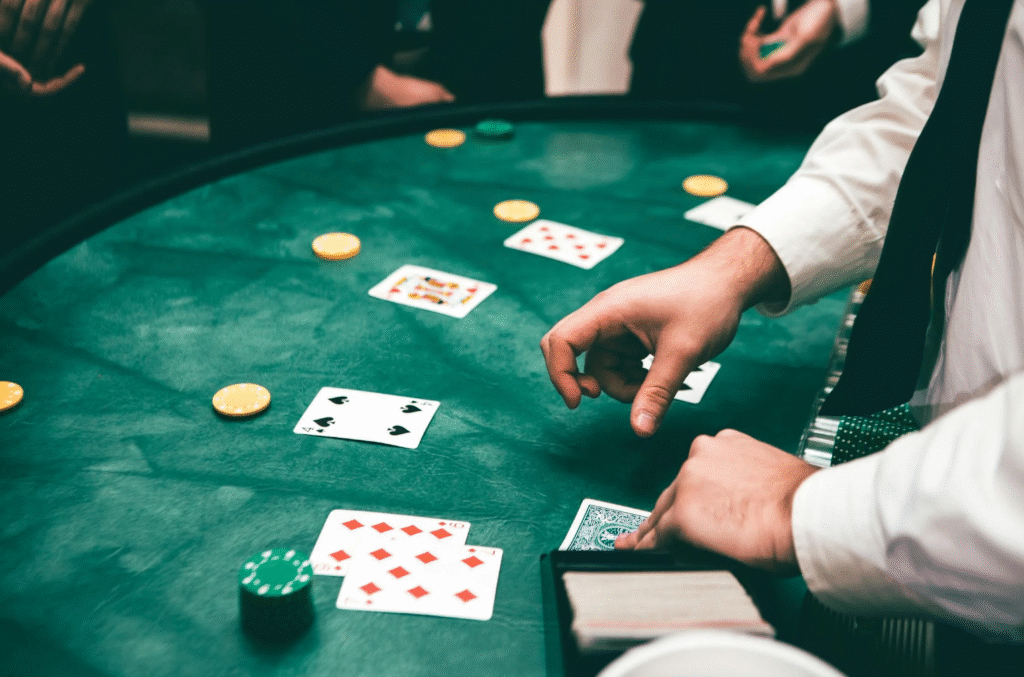
People Playing Poker

People have loved playing poker for many years. Winning isn’t just about luck; you also need skill, careful thinking, and attention to other players. These days, you can play poker online or at a real table in a casino. Some love logging in from their home and playing whenever they want. Others enjoy the energy and the atmosphere of a live game, from feeling the chips in their hands to hearing the cards shuffle. The option someone picks usually depends on their lifestyle, habits, and what kind of fun they’re looking for.

Online poker is easy to play anytime. You can log in almost anytime and choose from lots of games on your computer or phone. Several poker sites that accept bitcoin are popular because they let players deposit and withdraw money quickly and safely, while keeping personal info private. These platforms have a wide range of games, like Texas Hold’em, Omaha, and Stud, each with its own rules and payout percentages or RTPs. Cash games and tournaments also come with different stakes, giving players many ways to play. Meanwhile, bonuses, promotions, and loyalty rewards also make it easier to try new games and spend more time playing. For people who like fast action and variety, online poker is easy and fun.

Speed makes a difference for these players. A virtual dealer can deal sixty to seventy hands every hour; it’s much faster than the thirty or forty hands you usually get at a live table. Some players even play more than one table at a time, which gives extra practice and helps them learn quickly. The pace allows people to think fast and make quick decisions. The slower pace of live games appeals to many players because it gives them time to watch others, plan their bets, and enjoy the atmosphere.

On the other hand, for locals, playing poker often means taking a trip to Atlantic City, where big casinos offer busy poker rooms filled with tables, games, and fun events. The atmosphere in these rooms is something that some online spaces can’t match. The ability to read players’ gestures, glances, and tone of voice all add to the energy. Dealers and staff make the game lively, and local tournaments or poker nights let people connect with the community while enjoying poker.

Money also plays a role in choosing where to play. Online poker usually has lower minimum bets, which makes it easier for beginners or anyone who wants to control spending. Special offers let players try more games without spending too much. Playing poker at the table usually costs more because of higher stakes and extra expenses such as travel, table fees, or tips. Holding real chips and seeing your winnings in front of you creates excitement that is hard to get online.

Online play is private and simple, and in the future, gaming will be even easier to play from home or anywhere you like. Poker in a live setting has sights, sounds, and energy you can’t get on a screen. The shuffle of cards, the clink of chips, and the thrill of a big pot make live games exciting. Special events at Atlantic City casinos or poker nights in nearby towns can make a night out even more fun.

How much experience someone has often affects where they like to play. Beginners usually start online because it feels easier and less intimidating. They can practice and try strategies before going to a live table. Experienced players enjoy both, using online tables for quick sessions and live rooms to read other players in person. Many try both, showing that online and casino poker can work well together instead of competing.

Ultimately, it’s all about what you like. Some players like the speed, convenience, and variety online. Others love talking to people, watching opponents, and holding real chips. Both choices offer something special, and the best pick depends on what makes the game most fun for you. Some days you might enjoy the comfort of home, while other times you might want the buzz and excitement of a real poker room.