Electrical Inspections: Why Every Home Needs a Residential Electrician’s Expertise

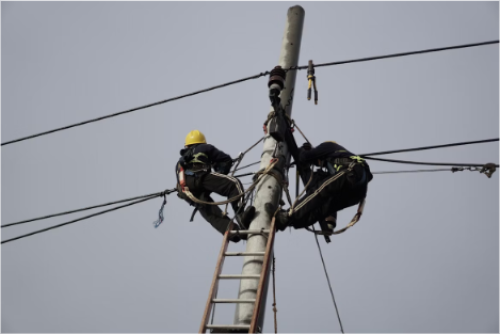
Electricity flows quietly through every corner of a home, powering lights, appliances, and devices without much thought from the people who rely on it. Yet behind the walls and ceilings, circuits, breakers, and wires endure constant use. Over time, small issues can develop—loose connections, overloaded circuits, or worn insulation—that may go unnoticed until they cause a serious problem. This is why electrical inspections are essential. They provide a snapshot of the system’s health and ensure the home is operating safely and efficiently.

For many households, inspections are only considered when buying or selling a property. While those moments are critical, the truth is that regular evaluations benefit every homeowner. By catching issues early, inspections prevent hazards, extend the life of appliances, and keep energy usage under control. The process requires the trained eye of a residential electrician who can identify both visible and hidden risks.

Working with trusted professionals such as CSK Electric ensures that these inspections aren’t just checkboxes but valuable opportunities to protect both property and people.

Why Inspections Shouldn’t Be Overlooked

Most electrical problems don’t announce themselves loudly. A flickering light here, a tripped breaker there—these may seem minor but often signal larger underlying issues. Left unchecked, these problems can escalate into dangerous situations such as electrical fires or damaged appliances.

Routine inspections by a residential electrician serve as preventive care. By examining wiring, panels, outlets, and connections, electricians catch early signs of trouble and recommend timely solutions. This proactive approach reduces the chance of costly emergencies.

What an Inspection Involves

An electrical inspection is more than a quick glance at outlets. A residential electrician in Langley evaluates the entire system to ensure it complies with current codes and operates safely. Key components include:

  • Service panels: Checking for proper labeling, secure connections, and sufficient capacity.
  • Wiring systems: Identifying outdated materials, frayed insulation, or improper splicing.
  • Grounding and bonding: Ensuring safe pathways for electricity in the event of faults.
  • Outlets and switches: Testing for functionality, damage, or heat buildup.
  • Safety devices: Verifying ground-fault circuit interrupters (GFCIs) and arc-fault circuit interrupters (AFCIs).

This comprehensive review provides peace of mind and creates a plan for addressing any weaknesses.

Safety Above All

The most important reason for an inspection is safety. Electrical malfunctions are a leading cause of house fires, often starting in hidden spaces before anyone realizes a problem exists. An overloaded circuit or loose connection may seem harmless until it overheats.

By working with a residential electrician, homeowners significantly reduce these risks. Inspections confirm that the system is not only functional but also safe, protecting families and property from preventable hazards.

Energy Efficiency Gains

Beyond safety, inspections also identify opportunities to save energy. Old or inefficient wiring can waste power, while appliances on outdated circuits may consume more electricity than necessary. By addressing these inefficiencies, homeowners lower utility bills and reduce environmental impact.

Small adjustments—like upgrading to energy-efficient lighting circuits or improving grounding—can have a noticeable effect on monthly expenses. A residential electrician offers practical recommendations during the inspection to improve performance without requiring major renovations.

When to Schedule an Inspection

Several situations make inspections especially important:

  • Before purchasing a home: To ensure the system is safe and up to code.
  • After major renovations: To confirm new circuits or loads are properly integrated.
  • Every few years in older homes: To check for wear and outdated components.
  • Following storm damage or electrical issues: To ensure the system wasn’t compromised.

Regularly scheduled inspections are a simple way to stay ahead of problems and avoid surprises.

Hidden Hazards in Older Homes

Older properties often carry unique risks. Many were built with wiring systems that no longer meet safety standards. Knob-and-tube or aluminum wiring, common decades ago, is ill-suited for today’s power demands. Without upgrades, these systems pose significant fire risks.

A residential electrician conducting an inspection can determine whether these materials are present and advise on necessary replacements. This ensures the home not only complies with modern codes but also supports the increasing demands of modern living.

Peace of Mind for Families

Homeowners shouldn’t have to wonder whether their electrical system is safe. Inspections eliminate uncertainty by providing clear answers. With professional evaluation, families can trust that their lights, appliances, and devices are powered by a system designed to perform reliably.

Companies like CSK Electric provide this reassurance by delivering thorough inspections that go beyond surface checks. Their expertise ensures no detail is overlooked.

Long-Term Value of Inspections

While inspections require an upfront cost, the long-term benefits far outweigh it. Preventing a fire, avoiding repeated repairs, and extending the lifespan of appliances save money in ways that can’t be measured only in dollars. More importantly, inspections create safer environments for families, which is invaluable.

A well-documented history of electrical inspections also increases property value. Buyers are more confident in homes with proven records of safety and care, making inspections a wise investment in the future.

Conclusion: The Essential Role of Expertise

Electricity powers every part of daily life, yet it is often taken for granted until problems appear. Electrical inspections shift the approach from reactive to proactive, ensuring that issues are addressed before they become dangerous or costly.

By relying on the expertise of a residential electrician, homeowners safeguard their families, save money, and enhance efficiency. With trusted providers such as CSK Electric, inspections become more than routine—they become essential tools for maintaining safe, reliable, and efficient homes.


Virtual Assistant Cold Calling: Scaling Outreach Without Overloading Sales Teams

Sales teams thrive when they’re focused on closing deals, not chasing leads. Yet in many businesses, agents spend hours making calls, leaving voicemails, and handling basic inquiries—time that could be used for higher-value activities. Outsourcing these tasks to professionals can be the solution.

Virtual assistant cold calling is a growing strategy that helps businesses expand outreach without exhausting their in-house staff. It allows teams to maintain a steady flow of leads while ensuring every prospect receives consistent, professional contact. This approach saves time and increases productivity, especially in industries where competition is fierce.

No Accent Callers explains that outsourcing cold calling doesn’t mean giving up control. Instead, it’s about partnering with trained assistants who act as extensions of the brand. With the right preparation, these professionals handle outreach effectively and allow core teams to focus on conversions.

Why Outsourcing Works

In-house salespeople juggle many responsibilities. When they split their attention between prospecting and closing, performance suffers. Virtual assistants take on the front-end work, freeing the team to prioritize building relationships and securing commitments.

This model provides scalability. Businesses can increase or decrease calling capacity without hiring or laying off full-time staff. Flexibility makes it ideal for seasonal campaigns, product launches, or growing businesses exploring new markets.

Skills That Drive Success

Not all virtual assistants are the same. Effective cold calling requires more than reading from a script. The best professionals combine communication skills with adaptability.

Key skills include:

  • Active listening and clear responses
  • Confidence in handling objections
  • Familiarity with industry terms and services
  • Time management and reliability

Virtual assistant cold calling succeeds when callers sound authentic and well-informed, rather than robotic or rehearsed.

Addressing Concerns About Outsourcing

Some business owners hesitate, fearing that outsourced assistants may not represent their brand accurately. The solution is clear training and regular oversight. Providing detailed scripts, role-play sessions, and brand guidelines ensures consistency in messaging.

No Accent Callers emphasizes that outsourcing should be treated as collaboration. The more aligned assistants are with company values, the stronger the results will be.

The Role of Technology

Technology supports efficiency. Virtual assistants use CRM systems, auto-dialers, and call-tracking tools to maximize productivity. Data from these tools provides transparency for businesses, showing how many calls were made, what responses were received, and where follow-ups are needed.

These insights allow managers to refine strategies, improving outreach campaigns over time.

Industries That Benefit Most

Outsourced calling works across many sectors, but some industries gain particular advantages. Real estate, insurance, financial services, and home improvement businesses often require consistent outreach to fill pipelines.

Virtual assistants excel in these spaces by handling repetitive calls and nurturing early conversations, leaving in-house staff to step in at later stages.

Building Trust With Prospects

A major challenge in outsourcing is ensuring that conversations feel personal. Tone plays a critical role. A calm, confident voice that shows genuine interest reassures prospects and prevents calls from sounding scripted.

Successful virtual assistant cold calling emphasizes service rather than pressure. By focusing on the prospect’s needs, callers create rapport that lays the groundwork for long-term relationships.

Handling Objections Effectively

Every cold call comes with potential objections. Skilled assistants are trained to navigate them without losing the conversation.

“I’m not interested right now.”

Respect the response but ask permission to follow up later.

“I already have a provider.”

Position your service as a backup or alternative, showing value without dismissing existing relationships.

“I don’t have time.”

Offer to send information by email or schedule a better time.

Objection handling keeps conversations open and demonstrates professionalism.

Measuring Results

The success of outsourcing should be measured with more than call volume. Key metrics include:

  • Number of appointments set
  • Quality of leads passed to sales teams
  • Response rates to follow-ups
  • Conversion from calls to deals

Tracking these indicators ensures that outsourced efforts support growth effectively.

Cost and Efficiency Advantages

Hiring full-time employees comes with salaries, benefits, and overhead costs. Virtual assistants, on the other hand, provide flexibility at a fraction of the expense. Businesses can pay for the hours or campaigns they need without committing to long-term contracts.

This makes virtual assistant cold calling especially attractive for startups and small businesses aiming to expand quickly without overspending.

Continuous Training and Support

Markets change, and so do customer expectations. Regular training sessions ensure virtual assistants remain sharp and adaptable. Updating scripts, reviewing calls, and offering feedback helps maintain consistent performance.

Businesses that view outsourcing as a long-term partnership often see the greatest benefits, as assistants become more familiar with the brand over time.

Final Thoughts

Outsourcing lead generation no longer means sacrificing quality. With the right training and tools, virtual assistants can manage outreach as effectively as in-house staff, while offering flexibility and cost savings.

The result is a streamlined sales process that allows businesses to grow without burning out their teams. No Accent Callers reminds companies that virtual assistant cold calling isn’t just about reducing workload—it’s about increasing opportunities. With the right approach, outsourced professionals help build pipelines, foster trust, and keep sales momentum strong.

Experiencing Luxury and Performance Through Lamborghini Ownership in Dubai

Dubai is a city where luxury, performance, and style converge. Its skyline, iconic landmarks, and thriving automotive culture make it a paradise for car enthusiasts. From the glittering streets of Downtown Dubai to the scenic drives along Jumeirah Beach and Sheikh Zayed Road, owning or driving a high-performance vehicle here is both a lifestyle and a statement. For those in search of an extraordinary driving experience, the market for exotic cars is booming, offering opportunities to explore top-tier brands and models. Among these, Lamborghini stands out as a symbol of unmatched performance and prestige, attracting enthusiasts from around the world.

Why Dubai is a Prime Location for Exotic Cars

Dubai’s infrastructure, roads, and economic environment make it ideal for high-performance vehicles. The city’s smooth highways, minimal traffic in certain districts, and strong automotive culture create perfect conditions for both driving and ownership. Moreover, Dubai’s luxury market ensures that buyers have access to the latest models, certified pre-owned options, and personalized services that cater specifically to exotic car enthusiasts.

Exploring the Lamborghini Market

For car collectors and enthusiasts, the opportunity to purchase a Lamborghini is highly appealing. With a Lamborghini for sale Dubai, buyers can choose from a variety of models, each designed to deliver exceptional performance, elegance, and engineering excellence. Dealerships and certified resellers offer vehicles with verified histories, warranties, and financing options, providing peace of mind and a premium ownership experience. The selection ranges from classic models to the latest releases, allowing buyers to match their personal style with cutting-edge technology.

Features and Performance of Lamborghini Vehicles

Lamborghini cars are celebrated for their unmatched engineering and performance. Models come equipped with powerful engines, aerodynamic designs, and advanced handling systems, making every drive an exhilarating experience. Interiors combine luxury and comfort with premium materials, sophisticated infotainment systems, and ergonomic layouts. Whether navigating city streets or exploring the outskirts of Dubai, Lamborghini vehicles deliver precision, style, and an unforgettable driving experience.

Luxury Car Ownership Benefits

Owning a high-performance vehicle in Dubai offers more than just status, it provides convenience, flexibility, and unique experiences. Dubai is a city built for driving, with long stretches of highways, scenic desert routes, and opportunities for weekend excursions. Luxury vehicles often come with dedicated maintenance and service packages, ensuring that owners can enjoy peak performance without worry. Personalized delivery and customization services are also widely available, allowing buyers to tailor their car to their exact preferences.

Considerations Before Buying

Before purchasing a Lamborghini, it is important to assess your needs and expectations. Consider the type of driving you will be doing, your preferred model, and available features. Researching the market for certified dealerships ensures access to vehicles with documented service histories and legal compliance. Additionally, potential owners should familiarize themselves with Dubai’s registration and insurance requirements to streamline the buying process and ensure full legal compliance.

Comparing Models for the Ultimate Experience

Dubai’s Lamborghini market includes a diverse selection of models, from classic coupes and high-performance roadsters to versatile SUVs. Each model has unique characteristics, including engine performance, handling dynamics, and interior luxury features. For those seeking a balance between everyday usability and extreme performance, the Lamborghini Urus stands out. This luxury SUV combines sportscar agility with practicality, offering ample space without compromising speed or handling.

The Lamborghini Lifestyle in Dubai

Owning a Lamborghini in Dubai extends beyond the car itself, it is a gateway to an elite lifestyle. Exclusive events, luxury car clubs, and social gatherings provide opportunities for enthusiasts to connect, showcase their vehicles, and experience the culture surrounding high-performance cars. Whether attending events in Downtown Dubai, cruising along the coastline, or enjoying scenic desert drives, Lamborghini ownership immerses drivers in a world of excitement and sophistication.

Conclusion

For those ready to embrace the pinnacle of automotive excellence, exploring options for lamborghini for sale Dubai provides access to vehicles that combine power, luxury, and prestige. Among these, the Lamborghini Urus for sale in Dubai represents a versatile choice, blending high-performance engineering with daily usability, ensuring that every journey in the city or beyond is memorable and exhilarating. Dubai’s vibrant automotive market ensures that enthusiasts can find the perfect vehicle to match their passion and lifestyle.

Experiencing Dubai in Style Combining Chauffeured Cars and Private Yacht Adventures

Dubai is a city that blends modern architecture, cultural heritage, and luxurious lifestyles into an unforgettable destination. From the towering Burj Khalifa to the Palm Jumeirah and the bustling Dubai Marina, navigating the city efficiently can significantly enhance your travel experience. While taxis and ride-hailing apps are widely available, opting for a professional driver transforms ordinary transportation into a seamless, comfortable, and stress-free experience. Many visitors choose to rent a car with driver Dubai, allowing them to enjoy the city in ultimate comfort while focusing on sightseeing and experiences rather than navigating traffic.

Benefits of Having a Professional Driver

Having a professional driver in Dubai offers multiple advantages. It ensures punctuality, safety, and convenience while eliminating the stress of finding parking or dealing with unfamiliar roads. Whether visiting shopping destinations like Dubai Mall, cultural landmarks such as the Dubai Museum, or attending business meetings, a chauffeur provides expert navigation and local insights. Travelers can relax, enjoy the scenery, and maximize their time in the city without worrying about logistics.

Exploring Dubai’s Iconic Landmarks with Ease

A chauffeured car allows seamless access to the city’s most famous attractions. Visitors can move comfortably between Burj Khalifa, the Dubai Fountain, Dubai Opera, and the historic Al Fahidi District. The driver ensures efficient routes and timing, enabling travelers to experience multiple attractions in a single day without fatigue or confusion. Luxury vehicles add an extra layer of comfort, with spacious interiors, climate control, and advanced technology for a smooth ride.

Tailored Experiences for Business and Leisure Travelers

Renting a car with a driver is ideal for both leisure and business travelers. Professionals can attend corporate meetings, conferences, and events with reliable transportation, while tourists benefit from personalized itineraries and flexible schedules. The service can accommodate groups, families, or solo travelers, offering tailored experiences that align with individual preferences and requirements.

Comfort and Safety Features

Vehicles used in chauffeured services are typically modern and well-maintained. Features such as airbags, stability control, navigation systems, and infotainment options ensure safe and enjoyable rides. Passengers can enjoy a relaxing journey while knowing that safety and reliability are priorities. For longer trips outside Dubai, such as day trips to Abu Dhabi or desert excursions, these vehicles provide comfort and peace of mind.

Extended Travel and Road Trips

Dubai is well-connected to neighboring Emirates, and having a professional driver enables visitors to explore beyond the city limits. A chauffeured car can facilitate road trips to Abu Dhabi, Ras Al Khaimah, or Fujairah, allowing travelers to discover diverse landscapes, beaches, mountains, and cultural sites. Long drives become stress-free and enjoyable when a professional manages navigation and traffic.

Convenience for Families and Groups

Families traveling with children or groups of friends can benefit greatly from a chauffeured car. Spacious interiors accommodate passengers, luggage, and shopping, ensuring comfort for everyone. Parents can focus on the experience rather than logistics, while groups enjoy the flexibility of moving together efficiently. This makes the service perfect for holidays, celebrations, and special events.

Combining Land and Water Adventures

Dubai’s coastline and waterways are as iconic as its skyline. After exploring the city with a professional driver, travelers can continue their luxury journey on the water. Private yachts provide a unique perspective of the city, allowing passengers to admire the skyline from the sea, relax under the sun, and enjoy leisure activities such as swimming, fishing, or cruising along the Palm Jumeirah and Dubai Marina.

Conclusion

For travelers seeking a seamless and luxurious experience in Dubai, renting a car with driver Dubai service offers unparalleled comfort, convenience, and flexibility for navigating the city and nearby Emirates. Combining this with a yacht hire Dubai creates the perfect blend of land and water experiences, enabling visitors to explore Dubai’s iconic skyline, pristine coastline, and luxurious attractions effortlessly while enjoying privacy, style, and relaxation. This combination ensures that every moment of your Dubai journey is memorable and indulgent.

Betting on Growth: Are Casino Stocks a Winning Hand for 2025?

MGM Grand Las Vegas Fountain, Night – Free Stock Image

The American Gaming Association revealed that commercial casinos generated a record-breaking $66.5 billion in 2024. The iGaming market also generated an impressive $8.41 billion in revenue to show a strong growth in the online gambling sector over some US states. Meanwhile, the global online gambling and betting market was estimated at $78.66 billion last year. These figures paint a clear picture: Casinos, whether online or traditional, have the potential to generate good returns. 

Consumer demands for entertainment are very much alive, and the gaming industry remains resilient, even when economic conditions change. Visitors often flock to Las Vegas or enjoy some variety in online gambling from operators licensed in Macau. Operators are diversifying revenue streams as digital channels expand, and the sector continues to show a lot of potential in its ability to thrive and adapt. The discussion now centers around whether casino stocks could deliver a winning year as investors lock onto new opportunities. 

The Current Casino Market

Casino operators stepped into 2025 with solid momentum. Operators now report steady visitors and consistent revenues after years of volatility. Las Vegas is a standout destination that thrives on its casino-oriented tourism market. Vegas attracted more than 40 million visitors in 2024, allowing the casinos to generate $55.1 billion. Gaming and non-gaming revenues reached new heights. Conventional businesses have also flourished, with hotels filling up across the Strip. 

Meanwhile, the top 2025 casino list shows an array of operators licensed in Macau and other offshore regions that offer incredible gaming experiences for US residents. Players can easily access massive welcome bonuses up to 500% while they enjoy the benefits of various payment methods and a wider range of games than most traditional sites can offer. Locals can enjoy slots, blackjack, roulette, baccarat, poker, crash, and live dealer games from the comfort of their homes while using secure and fast withdrawal methods. 

Casinos licensed in Macau have certainly hit a powerful rebound after pandemic-related travel limits restricted the city. It’s now become one of the world’s most popular and important gaming hubs as it already nearly doubled its revenue in 2023. These operators have an advantage over much-loved destinations like Vegas: they have footprints in the US, Europe, Asia, and even the Middle East. However, their US sites are targeted and localized to ensure maximum impact. 

Market Sensitivity, Debt, and Interest Rates

Consumer behavior certainly looks encouraging. Casinos have reported steady demands, despite economic headlines encouraging caution. Travel and leisure remain priorities among US households, which is good news for operators and investors. The industry’s resilience shows that casino stocks may keep rewarding patient holders this year.

Casino operators typically carry heavy debt loads. However, they also benefit from reliable cash flows that manage those obligations. The financial picture looks promising since the Federal Reserve indicated a possible rate cut in 2025. Lower interest rates help operators to refinance projects with more favorable terms, leave more capital for reinvestment, and reduce interest expenses.

Expansion Drives Growth

Traditional gaming still maintains the larger portion of US casino revenues, but the states that introduced online gambling have provided more growth opportunities. Sports betting has already expanded in the US, with seven states already having legalized online casinos, showing steady progress. Operators like MGM and Caesars are tapping into mobile platforms to allow digital players to connect with physical locations. 

The forward-thinking states provide a virtuous cycle, where online betting captures tech-savvy players while resorts and traditional gaming appeal to those seeking in-person experiences. Analysts treat digital growth as a meaningful part of the long-term predictions. Every sign shows that online gambling will only continue to contribute more, which opens a new runway for investors looking for US-based sites. 

Watching Regional Trends

The US remains a solid investor hub for casino stocks, with Las Vegas serving as the heart of the gambling industry. However, states beyond Nevada have developed into attractive markets at the same time. National industry predictions show that various other US states are also in talks about legalizing online gambling, including Indiana and Florida. Meanwhile, tribal operators deliver a solid performance to add more to the industry’s national diversity. 

Beyond the US, Macau’s incredible revival has certainly made it one of the world’s trendiest casino hubs, making many investors interested in casino stocks from the region. Singapore is another premium iGaming hub with a flourishing tourist appeal. Investors should watch the rising regional trends closely to capture casino stocks early and enjoy returns.

The Position of Big Names

Industry-leading operators have approached this year with strategies that reflect their strengths. For example, Las Vegas Sands continues to leverage Asia with its solid foothold in Singapore and Macau. MGM Resorts maintains a wider US presence while creating a broader reach through its BetMGM platform that allows tech-savvy players to enjoy online wagers. Wynn Resorts balances Vegas luxury with Macau’s high-end market. Even Caesar’s has reinvented its branding by introducing dedicated sports betting operations with integrated resorts.

The varied approaches offer choices for different investors, which depend on exposure preferences and risk appetites. US-based operators benefit from domestic stability, while those in Asia tap into an unlimited growth opportunity presented by an international audience, with greater access to high-end players.

Investor Sentiment and Market Valuations

Casino stocks today are evaluated by means that reflect their potential for continued growth and exceptional resilience to changing markets, regulations, and tourism elements. Price-to-earnings ratios moderated these stocks to make them more accessible to various investors, while balance sheets strengthened as the revenues rose. Some operators reintroduced buybacks and dividends to reassure confidence in their ability to generate income. 

The stock market is currently bullish, with some analysts calling valuations ridiculously high and others suggesting the upward trend will continue for a while. However, analysts are making positive forecasts for the gambling industry’s stocks. Predictions show a steady growth rate without sudden surges. 

The sector is quickly becoming attractive for investors who want consistency with an upside opportunity tied to international travel, tourism, and online expansion. Even institutional interests have remained firm, revealing how casino stock confidence has exploded for investors with diversified portfolios. 

Opportunities May Bring Challenges

Every industry has challenges, and casinos face their own hurdles. Consumer spending patterns, global politics, and regulatory changes play a role in casino stock values. Still, the industry’s history highlights remarkable resilience and the ability to adapt. Casino operators have consistently found new ways to transform challenges into growth opportunities by embracing online betting and pivoting toward new technology. 

Ultimately, the potential rewards or gains outweigh the risk of challenges derailing the stock prices. Investors who want to take on some risk with the potential for massive gains must simply focus on the key drivers to design their strategies, including expansions, tourism growth, and demand. 

Conclusion

Casino stocks closed the 2024 fiscal year on a high note, and they stepped into 2025 with a solid foundation. Returning business in casino hubs around the world, record revenues, and Macau’s rebound are some reasons that make the stocks worth the investment. 

The rise of digital platforms and more states possibly legalizing online betting in the next few years only makes the industry’s stocks more valuable, especially for long-term holders. Interest rate relief will also improve financial flexibility and consumer spending, enhancing the sector’s potential for upward stock prices further. Casino stocks are ideal for investors seeking some exposure to entertainment combined with leisure and travel.

Why Cryptocurrencies Are Becoming Part of Everyday Online Tools

Cryptocurrencies are no longer just the focus of traders and headlines about price swings. They’re quietly becoming part of the tools people already use online every day. From paying for a VPN to sending money through a secure messaging app, digital tokens are slipping into spaces once dominated by credit cards and bank transfers. This shift is unfolding step by step, as people discover that crypto fits naturally into the way they already live and work online.


 Unsplash

Crypto Moves Beyond Trading

The conversation around cryptocurrencies often centers on speculation, but coins are also becoming part of everyday tools. Maxi Doge Token shows this change in action. Its strong early sales with over $1.9 million raised (source: https://maxidogetoken.com/) and community-friendly tokenomics have helped it stand out from the crowd of coins. 

Other digital assets, like Bitcoin and Ethereum, remain the most recognized, while stablecoins such as USDC are gaining ground for practical use in cross-border payments. Together, they demonstrate that crypto extends beyond investment to encompass daily functionality. People now use tokens to buy services, donate to causes, or reward content creators online.

Mentions of crypto tokens are no longer limited to traders on forums; they also show up in discussions about payment apps and online communities. This reflects a larger trend.

How Messaging and Crypto Fit Together

Some private messaging apps that once championed privacy are now finding their place among their financial counterparts. Telegram is even experimenting with a crypto wallet within the messaging space, enabling users to send a token in the same way they send a photo. This makes sense. If people trust a platform with their private conversations, it’s no surprise they’d also trust it with their money. 

Signal and WhatsApp have both experimented with options that align with this narrative, as it’s common knowledge that money and messaging go together.

The user incentive lies with the convenience of having both tools in the same app as opposed to spending time switching back & forth between a wallet app & a messages app. While the user experience is easy, it represents a significant milestone in fostering a partnership through messaging and the exchange of value.

VPNs, Privacy, & Payments

VPNs that once were tools for the tech-fanatics are now a standard tool for students, remote employees, and families. People can use them to encrypt browsing data, tunnel around location restrictions, and safely navigate online shopping. Some VPN services even accept crypto payments, an option for users who want privacy at every level. If you’re paying for privacy, it makes sense to use a method of payment that avoids leaving a card trail.

This cross-over highlights an essential point: when people start experimenting with crypto for one occasion, they often discover additional uses they hadn’t intended. Paying for a VPN with cryptocurrency provides a foothold for users to start experimenting with tokens for other digital services. What might seem like a small stepping stone can easily turn into a deeply ingrained habit.

Everyday Utility Gains Ground

For years, crypto was treated as a gamble. That view has shifted as tokens find clear use cases. Stablecoins make it easier for freelancers to get paid across borders. Ethereum powers smart contracts behind apps and games. Niche tokens create engaged communities that reward participation in ways traditional loyalty programs never could.

These uses are about solving problems. Families sending money abroad don’t care about speculation, because they care that funds arrive fast and without high fees. Small creators don’t care about trading charts because they simply care that tokens let fans support them directly. Step by step, crypto slips into the background as another tool people use without overthinking it.

Challenges and Skepticism

The road to wider crypto adoption is uneven. Price swings can wipe out value in hours, leaving casual users wary of holding tokens. Projects often appear with big promises, only to vanish months later. 

Governments are split on how to handle it: some push forward with digital currency pilots, while others tighten restrictions, worried about money laundering or consumer risks. In the U.S., stablecoins face growing scrutiny, with lawmakers debating how to balance innovation with oversight. Genius Act is one of the attempted solutions so far. 

Security adds another layer of doubt. Hacks on exchanges, phishing scams in apps, and fraudulent token launches continue to make headlines. Telegram, for instance, has had to crack down on black market services and crypto scams that thrived on its platform. 

For everyday users, these stories create hesitation. Yet history suggests this is not unusual. When online banking first spread, fraud was rampant, and many people swore they would never trust it. Over time, stronger rules, better cybersecurity, and habits built confidence. Crypto may follow that same arc: slow, uneven progress shaped by both setbacks and fixes.

Looking Ahead

The next phase of crypto is unlikely to come from another meme coin or a new blockchain. It will come from tying existing tools together in ways that feel natural. Imagine opening a VPN app that already includes a secure messenger and a crypto wallet, so privacy, conversation, and payment live side by side. Or a chat group where members pool tokens to pay for community projects without going through a bank. Companies are already moving in that direction, so this isn’t something very distant. 

PayPal has launched its own stablecoin, aiming to blend digital assets into everyday payments. Stripe now lets businesses accept crypto more easily. As we mentioned, messaging apps like Telegram are pushing crypto wallets with built-in trading, turning chats into mini financial hubs. 

Even Visa and Mastercard continue to test card integrations with stablecoins and digital assets. Each step makes crypto feel less like an experiment and more like another option in the toolkit of online life. The line between traditional finance and digital assets is fading, and the shift is not being led only by traders. It’s being shaped by families, small businesses, and communities as they experiment with what works.

Unsplash

Conclusion

Cryptocurrencies are stepping out of the trader zone and into the daily tools we already use online. Whether it is VPNs, chat apps, or payment services, coins now share space with how we browse, talk, and pay. New tokens bring bold energy, while old ones like Bitcoin and Ethereum bring reliability. Stablecoins bring usefulness. The path is uneven, but the tools are slipping into everyday life in ways both subtle and real.

Why Regular DAS Maintenance and Inspection Could Save Your Business Thousands

Image Source: Unsplash

In today’s fast-paced business environment, reliable communication is not optional—it’s essential. Distributed Antenna Systems, or DAS, play a crucial role in ensuring seamless connectivity inside commercial buildings, stadiums, hospitals, and other large facilities. These systems boost wireless signals, enabling employees, customers, and emergency responders to stay connected when it matters most. However, many businesses overlook the importance of regular DAS maintenance and inspection, often assuming that once installed, the system will run flawlessly for years to come. The truth is, failing to maintain a DAS can lead to costly breakdowns, compliance issues, and even safety risks. Proactive inspections and scheduled upkeep could ultimately save your business thousands in unexpected expenses.

Understanding the Role of DAS in Business Operations

A DAS is more than just a network enhancer. It is the backbone of in-building wireless coverage, supporting everything from customer calls to employee productivity and emergency communications. When a system fails or underperforms, it disrupts operations, causes frustration, and in some industries, can even halt revenue-generating activities. This is why businesses need to understand that DAS maintenance is as vital as maintaining HVAC systems, security, or IT infrastructure.

How Neglecting DAS Maintenance Leads to Higher Costs

While skipping maintenance might seem like a short-term saving, it often results in higher expenses in the long run. Issues such as degraded signal strength, faulty cabling, or damaged antennas can remain undetected until they cause major outages. Emergency repairs are not only more expensive but also more disruptive to operations. In some cases, a neglected system may require full replacement years before its expected lifespan, resulting in tens of thousands of dollars more than planned.

Boosting Performance with Regular Inspections

A well-maintained DAS ensures strong, consistent connectivity across your facility. Routine inspections identify weak points such as damaged cables, outdated software, or faulty nodes before they escalate into major problems. By catching these issues early, businesses maintain uninterrupted service for employees, customers, and first responders. The result is a more reliable communication network that directly supports productivity and customer satisfaction.

Compliance and Safety Benefits of DAS Maintenance

In many jurisdictions, businesses are required to maintain DAS for public safety communications. Fire codes and local ordinances often mandate reliable in-building coverage for emergency responders. Regular inspections ensure your system meets these standards, helping you avoid fines, legal issues, or failed safety inspections. More importantly, compliance ensures that emergency personnel can communicate effectively in critical situations, protecting both lives and property.

Extending the Lifespan of Your DAS Investment

A DAS is a significant investment, often costing hundreds of thousands of dollars to install. Just like any infrastructure, it performs best with proper care. Routine maintenance can significantly extend the life of your system, thereby maximizing your return on investment. By upgrading software, replacing worn components, and fine-tuning performance, you protect your investment while avoiding premature replacement costs.

Minimizing Business Downtime

Unplanned outages caused by a poorly maintained DAS can bring operations to a standstill. From interrupted sales transactions in retail environments to communication breakdowns in hospitals, downtime costs money and damages reputation. Regular inspections reduce the likelihood of sudden failures, keeping your business running smoothly and minimizing the risk of lost revenue.

Improving Customer and Employee Experience

Connectivity is a non-negotiable expectation in today’s digital world. Customers demand strong signals to make calls, use apps, or process mobile payments, while employees rely on connectivity for day-to-day operations. Regular DAS maintenance guarantees a seamless experience for both, creating a positive impression of your business while supporting internal productivity.

Preparing for Future Technological Demands

Wireless technology is constantly evolving, with 5G and other advanced networks becoming standard. A DAS that is not regularly updated and inspected may struggle to keep up with new demands. Ongoing maintenance ensures your system is prepared for upgrades, allowing for smooth integration of new technologies without costly retrofits.

Protecting Against Hidden Risks

Issues like water intrusion, overheating, or electrical interference can damage DAS components without warning. Routine inspections uncover these hidden risks early. By addressing them promptly, you not only prevent system failures but also reduce the risk of equipment damage, safety hazards, and long-term financial loss.

The Bottom Line: Maintenance as a Cost-Saving Strategy

Investing in regular DAS maintenance and inspection is not just a technical necessity—it is a strategic financial decision. Preventive upkeep is far less expensive than emergency repairs, legal penalties, or lost revenue from system downtime. By staying proactive, businesses safeguard their operations, protect employees and customers, and maximize the value of their infrastructure investment.


A Distributed Antenna System is one of the most critical investments a business can make to guarantee reliable communication, safety, and productivity. However, without consistent maintenance and inspection, that same system can quickly become a costly liability. Prioritizing proactive care ensures that your DAS runs at peak performance, prevents unexpected downtime, and extends its overall lifespan. From compliance with safety codes to seamless connectivity for customers and employees, the benefits of regular upkeep far outweigh the risks of neglect. To keep your system optimized and ready for the future, take the smart step and visit pacificdas.com for expert support and solutions.

Manual massage: why it is needed and how it helps

Massage is not only a pleasant procedure but also a powerful tool for maintaining health and well-being. This technique has been around since ancient times, which proves its effectiveness, confirmed not only by time but also by numerous modern studies. 

Needless to say, massage is also a powerful tool for maintaining physical and mental health. Its positive effect on blood circulation, muscle tone, and the nervous system makes it an indispensable part of taking care of your body. Therefore, don’t miss the opportunity to enjoy this procedure, which gives you vigor and vitality for the whole day. Go to any search engine, type in “massages near me,” and choose the one that’s right for you!

Why massage is necessary

Massage, as a comprehensive procedure, is widely used for both aesthetic and therapeutic purposes. The variety of massage techniques and their effectiveness make it an integral part of caring for one’s health and well-being.

One of the important aspects of massage is its relaxing effect. The skilled touch of a massage therapist can relieve muscle tension and improve muscle function. This helps to eliminate back and joint pain and restore mobility and comfort in everyday life.

Massage also helps normalize blood circulation, which means more efficient delivery of oxygen and nutrients to organs and tissues. This is important for the health of internal organs and improving the overall condition of the body.

It should be noted that massage is not limited to external effects on the skin and muscles. During the procedure, there is a deeper interaction with the body. Receptors respond to various movements of the specialist, which are converted into nerve impulses. This reduces receptor irritation, reduces tissue clamping, and restores their elasticity and mobility.

The benefits of massage

Massage is a powerful tool for maintaining and restoring health, which has a beneficial effect on various systems and organs of the body. During massage, the following occurs:

  • Improved blood circulation, lymph flow, and blood circulation, which enriches tissues with oxygen and nutrients. It also helps the body get rid of harmful substances, waste products, and toxins faster.
  • Relief of pain and muscle tension. Therapeutic massage effectively eliminates pain and relieves muscle tension. It can be especially helpful for conditions such as osteochondrosis, osteoarthritis, and scoliosis.
  • Boosting immunity and strengthening the immune system, making the body more resistant to infections and diseases.
  • Relaxation and stress relief, beneficial effects on the nervous system, and reduction of stress and anxiety. Regular sessions promote deep relaxation and improve mental and emotional well-being.
  • Improves skin condition and cleanses it, making it more supple and healthy. This is especially relevant for manual modeling and facial massage.
  • Restoring mobility and flexibility to muscles and joints, which is especially important in treating injuries and rehabilitation after surgery.

Each type of massage has its own characteristics and is aimed at solving specific problems. It can be both therapeutic and wellness-oriented, depending on the needs of the body. It is important to remember that effectiveness depends on correctly selected parameters: the pace, strength, and duration of the procedure, which must be individually tailored to each person.

How often should you get a massage?

The frequency and number of massage sessions depend on the purpose of the massage, the type of massage, the patient’s current state of health, and the specialist’s recommendations. Here are some general recommendations for different types of massage:

  • Preventative. If massage is performed for preventative purposes or relaxation, it can be done 1-2 times a month.
  • Therapeutic In the case of treating certain diseases or conditions, the frequency may be higher. For example, for osteochondrosis, a course of 10-15 sessions with a frequency of 2-3 times a week is recommended.
  • Athletic. Athletes may get massages more often to help their muscles recover after training. It really depends on how intense their workouts are.
  • Massage for injuries and rehabilitation. During recovery from injuries or surgery, massage may be prescribed daily, but it all depends on the nature of the injury and the doctor’s recommendations.
  • Anti-cellulite. To combat cellulite, a course of 10-15 sessions is usually recommended, with a frequency of 2-3 times a week, after which you can switch to maintenance sessions once a month.
  • Cosmetic facial massage. A course of 10-12 sessions twice a week is usually recommended, followed by maintenance treatments once or twice a month.

It is important to understand that each person is unique, and the optimal number and frequency of massage sessions may vary.