
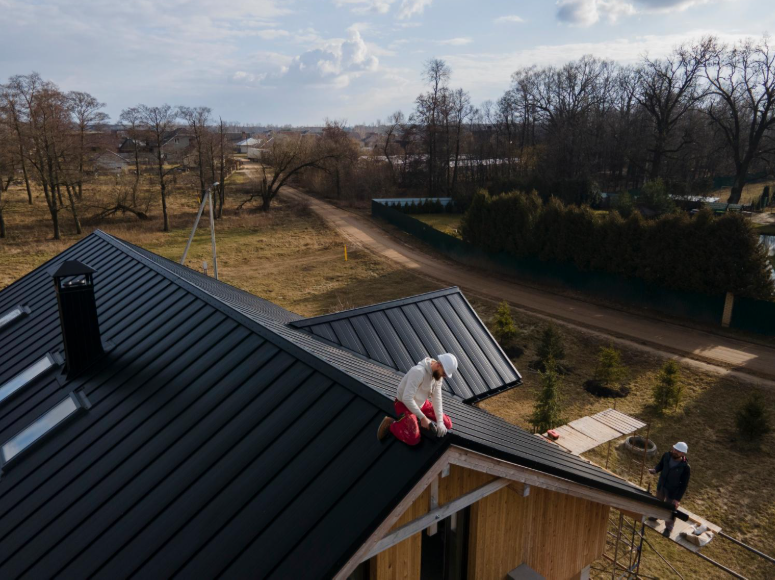
Choosing the Right Roofing Materials to Enhance Durability and Curb Appeal

Introduction

Selecting new materials for the protective surface above your home is a decision that affects both long term performance and visual appeal. Homeowners often explore different options when preparing for updates, and understanding the strengths of each type helps guide smarter choices. Weather patterns, architectural style, and long term maintenance goals all play important roles in determining which materials offer the greatest benefits for your property.

The upper protective layer does more than keep out rain or shield the structure from harsh sunlight. It shapes energy efficiency, interior comfort, and the overall appearance of the home. When homeowners choose materials that complement both functional and aesthetic needs, the result is a stronger and more visually appealing structure. These choices also influence how well the surface handles seasonal changes or unexpected weather events throughout the year.

With guidance from knowledgeable professionals such as All-Side Roofing & Restoration, selecting updated materials becomes a more informed and confident process. Their experience helps homeowners compare advantages, understand installation requirements, and evaluate which products provide the right balance of reliability and style. This support ensures that every improvement contributes to long term home protection.

Read more: Choosing the Right Roofing Materials to Enhance Durability and Curb Appeal

How Climate Influences Material Performance

Homeowners benefit from understanding how climate influences material performance. Areas with frequent storms, heavy winds, or prolonged heat cycles require materials designed for resilience. Some types provide stronger resistance to temperature shifts, while others excel in regions with persistent moisture. Recognizing the environmental demands of your location helps narrow down the best choices and prevents premature wear. A well selected surface contributes to greater stability throughout the home.

Asphalt Shingles: A Practical and Popular Choice

Asphalt shingles remain one of the most widely chosen materials for residential updates. Their affordability, availability, and versatility make them a practical option for many homes. They come in a wide range of colors and textures, allowing homeowners to match their preferred style. Modern designs offer improved resistance to algae, cracking, and wind uplift. Although asphalt options require periodic maintenance over the years, they continue to offer dependable performance for many households.

Metal Roofing for Long Lasting Strength

Metal surfaces offer another strong option, especially for homeowners seeking long lasting durability. These materials are known for their resistance to fire, extreme weather, and corrosion. Metal reflects sunlight effectively, supporting energy efficiency in warmer climates. Many homeowners appreciate that metal options require minimal upkeep and offer a lifespan that often exceeds several decades. This makes them a suitable choice for long term property investment where reduced maintenance is a priority.

Tile Roofing for Distinctive Appeal and Weather Resistance

Tile provides a distinctive visual appeal while delivering excellent weather resistance. Common materials include clay and concrete, each offering unique strengths. Tile options are particularly effective in warmer climates due to their natural ability to manage heat. Their substantial weight requires proper support within the structure, making professional evaluation essential before installation. When properly installed, tile systems offer lasting protection and timeless beauty.

Slate Roofing for Premium Durability

Slate remains one of the most durable materials available. Known for its ability to withstand severe weather while maintaining a refined appearance, slate is often chosen for its strength and longevity. It can last for many decades when maintained properly, making it an excellent option for homeowners seeking a premium upgrade. Because slate is heavier and more specialized, installation requires skilled professionals who understand the material’s unique characteristics.

Synthetic Options for Flexibility and Affordability

Synthetic materials provide a blend of performance and affordability. These options mimic the appearance of natural materials such as slate or wood while offering improved durability and lower maintenance requirements. Homeowners often appreciate the balance between aesthetic flexibility and reliable performance. Synthetic choices are engineered to resist cracking, fading, and moisture damage, making them a practical solution for properties in varied climates.

Energy Efficiency Considerations

Energy efficiency is another factor influencing material selection. Some materials naturally reflect heat, helping regulate indoor temperatures. Others are designed with improved insulation qualities, reducing the strain on heating and cooling systems. When combined with proper ventilation below the surface, energy efficient materials can contribute to lower utility costs over time. Understanding which materials support these goals helps homeowners make long term decisions that benefit both comfort and budget.

Maintenance Requirements for Long Term Performance

Maintenance expectations also play a key role in determining the right material. Some options require occasional cleaning or resealing, while others need regular inspection for signs of wear. Choosing a product that aligns with your maintenance preferences ensures the system stays in good condition without creating unnecessary upkeep demands. Maintaining the upper protective layer also helps safeguard other parts of the home from moisture damage and structural decline.

The Importance of Professional Installation

Professional installation is essential regardless of which material a homeowner selects. Proper alignment, fastening, and sealing techniques influence how well the surface withstands weather over the years. Companies such as All-Side Roofing & Restoration provide expert installation services that support optimal performance and protect against early deterioration. Their careful approach ensures that chosen materials function as intended and offer long lasting value.

Enhancing Exterior Appearance and Curb Appeal

Visual appeal remains an important consideration for many homeowners. The protective surface plays a major role in defining a home’s exterior style, influencing first impressions and overall curb appeal. Coordinating color, texture, and design with siding and trim creates a balanced and cohesive appearance. Many modern materials offer rich color options and detailed patterns that enhance architectural character while maintaining durability.

Conclusion

Investing in updated materials ultimately strengthens the home’s structure and appearance. Homeowners who understand the benefits of each option can make informed decisions based on climate needs, maintenance expectations, and long term performance goals. Quality updates, paired with professional installation from All-Side Roofing & Restoration, support lasting protection and enhance property value. Thoughtfully chosen materials help ensure that roofing continues to safeguard the home effectively while contributing to a visually appealing and durable exterior.

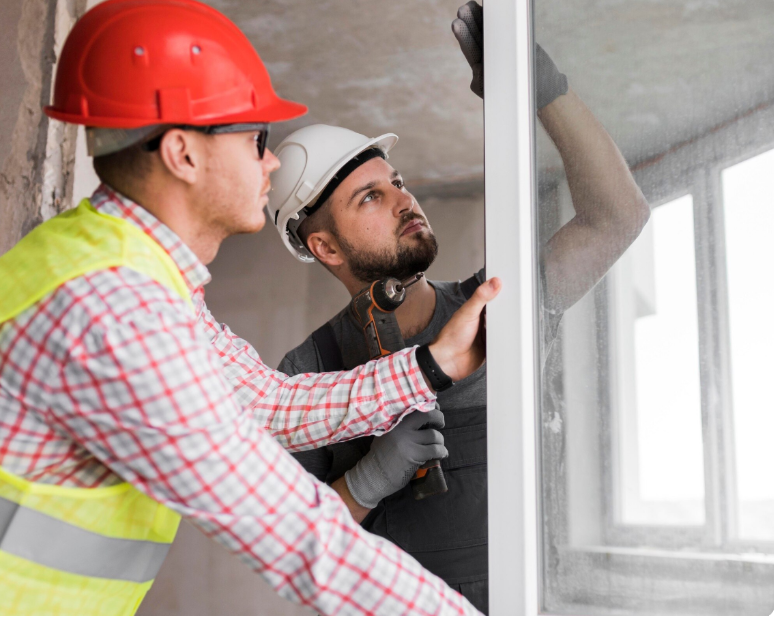
How Window Treatments Influence Ambiance, Comfort, and Interior Balance

Introduction

Creating a beautifully balanced home requires more than choosing the right furniture or wall colors. A well designed interior involves attention to every element that shapes how a room feels and functions. While many homeowners focus on major décor pieces, one feature often influences the ambiance more than expected: the coverings chosen for the windows. These coverings impact natural light, visual harmony, temperature control, and overall comfort, making them an essential part of any thoughtfully designed space.

The growing interest in purposeful interior design has led many homeowners to rethink the importance of window treatments. More than a simple accessory, the right solution can transform the atmosphere of a room, enhance architectural features, and support daily routines. Window coverings play a significant role in shaping the character of a space, whether the goal is softness, structure, brightness, or privacy. When chosen with intention, they create a backdrop that ties the entire room together.

Professionals at AAA Blind & Shutter Factory have helped countless homeowners select window treatments that elevate both functionality and style. By understanding how these treatments influence ambiance and comfort, families can design spaces that feel inviting, cohesive, and visually balanced. Window solutions serve as a connection point between natural light, architectural detail, and overall room harmony.

Read more: How Window Treatments Influence Ambiance, Comfort, and Interior Balance

Enhancing Natural Light and Brightness

One of the most noticeable effects of window treatments is their impact on natural light. The type of covering chosen determines how much sunlight enters a room and how that light is diffused. Some treatments allow full brightness, while others soften the light to create a warm, welcoming glow. The ability to control these variations helps homeowners shape the mood of their space.

Soft, filtered light creates a cozy environment suitable for living rooms or bedrooms. Brighter, unobstructed light supports workspaces, kitchens, and areas where clarity is important. Window treatments make it possible to balance light levels without sacrificing aesthetic appeal.

Supporting Privacy Without Sacrificing Style

Window coverings play a vital role in providing privacy while maintaining the room’s visual balance. In areas where privacy matters most, such as bedrooms and bathrooms, homeowners often seek solutions that offer full coverage. However, maintaining style is equally important. Modern window treatments blend function and design, ensuring privacy without creating a dark or enclosed atmosphere.

Options that allow light to enter while limiting visibility from the outside help maintain a comfortable level of openness. This balance between privacy and brightness contributes to a stylish and functional interior.

Creating Structural Balance in Interior Design

The lines created by window coverings influence how the eye moves throughout a room. Structured coverings help frame windows and add architectural definition, while softer coverings introduce flow and movement. Window treatments serve as visual anchors that bring harmony to surrounding elements.

A well chosen design helps balance the proportions of a room, especially when working with tall ceilings, large windows, or open floor plans. This structural influence contributes to a more organized and polished interior.

Influencing Color Tone and Room Mood

The fabric, finish, or material of a window treatment directly affects the room’s color palette. Light colored coverings create an airy and bright feel, while darker designs add depth and sophistication. Neutral tones complement a wide range of decor, while bold colors or patterns serve as focal points that energize the space.

Homeowners can use window treatments to enhance or soften existing colors in the room. This strategic approach supports intentional design and helps achieve a cohesive look throughout the home.

Regulating Indoor Temperature for Greater Comfort

Temperature control plays an important role in indoor comfort, and window coverings significantly influence how heat and cold move through the home. Certain styles insulate rooms by reducing heat loss during winter and blocking excessive sunlight during summer.

Effective window treatments help maintain consistent indoor temperatures, reducing the workload on heating and cooling systems. This contributes to more comfortable living environments and lower energy costs. Temperature regulation becomes an essential function of thoughtful window design.

Reducing Glare for a More Comfortable Living Experience

Glare can disrupt daily activities such as reading, watching television, or working on a computer. Window treatments help soften or redirect sunlight, minimizing glare without removing natural light entirely. This balance allows homeowners to enjoy bright spaces without disruptive reflections.

Choosing treatments with adjustable features enhances control over glare. This makes living areas more enjoyable and functional throughout the day, improving overall comfort.

Enhancing Acoustics Within the Home

Many homeowners overlook how window coverings influence sound within the home. Certain materials help absorb sound, creating quieter and more peaceful rooms. This is especially beneficial in homes with open layouts or hard flooring that amplify noise.

Thicker or layered window treatments help reduce echoes and soften ambient noise. This acoustic improvement contributes significantly to comfort, particularly in bedrooms, offices, or shared living areas.

Highlighting Architectural Features

Window treatments help draw attention to unique architectural details. Whether framing a large picture window, enhancing an arched opening, or complementing specialty trim work, the right covering brings out the beauty of the surrounding structure.

Well chosen coverings highlight the craftsmanship within the home and enhance the overall design. This intentional approach helps create a visually rich and engaging interior environment.

Creating Cohesion Throughout the Home

Consistency plays a major role in creating a polished interior. Window treatments help tie rooms together by maintaining recurring colors, materials, or design elements. While each room can have its own identity, similar coverings throughout the home create a sense of unity.

This consistency improves flow and ensures that transitions from one room to another feel smooth and natural. Cohesion is an important part of building a beautifully balanced interior.

Supporting Personalized Interior Design

Every homeowner has unique preferences and needs. Window treatments provide the opportunity to express personal style while maintaining practicality. Whether the goal is simplicity, elegance, warmth, or modern appeal, there are options that reflect individual taste.

Working with professionals at AAA Blind & Shutter Factory helps homeowners explore styles, materials, and features that suit their lifestyle. Carefully selected window treatments enhance comfort while supporting long term design goals.

Conclusion

The right window treatments influence far more than just privacy or light control. They shape ambiance, enhance comfort, regulate temperature, and support visual harmony throughout the home. With expert guidance from AAA Blind & Shutter Factory, homeowners can select coverings that elevate their design while improving overall functionality. Thoughtfully chosen window solutions contribute to beautiful, cohesive, and comfortable living spaces that feel balanced and inviting in every season.

The Most Common Roofing Issues Homeowners Overlook and How a Roofing Company Can Prevent Them

Introduction

A roof is one of the most essential components of any home, yet it often receives less attention than other parts of the property. Many homeowners perform basic upkeep on their lawn, driveway, or interior spaces, but the roof remains out of sight and therefore out of mind. Unfortunately, unnoticed roofing issues can quickly develop into serious problems that compromise the home’s safety and comfort. When minor concerns are ignored, they often escalate into costly damage that requires extensive repairs.

Roofing problems do not always show obvious signs. Some issues develop slowly, hidden beneath shingles or within structural layers. Others appear subtly, such as small leaks or slightly lifted shingles, and may be dismissed as harmless. Homeowners may not realize the severity of these issues until water damage, mold growth, or structural deterioration begins to spread. By the time visible symptoms emerge, the underlying problem has usually progressed much further.

With help from trusted professionals like Homey Roofing and Restoration, homeowners can avoid the complications caused by overlooked problems. Partnering with a reliable Roofing Company allows families to identify and address concerns early. Understanding the most commonly overlooked roofing issues empowers homeowners to protect their property and maintain a durable, long-lasting roof.

Read more: The Most Common Roofing Issues Homeowners Overlook and How a Roofing Company Can Prevent Them

Minor Leaks That Grow Into Major Problems

Small leaks are among the most overlooked roofing issues because they start subtly. Homeowners may dismiss minor water spots on ceilings or occasional drips during storms. However, even a small leak indicates that water has penetrated the roofing system. Over time, moisture spreads within the attic, insulation, and walls, causing rot, mold, and structural deterioration.

The longer a leak goes untreated, the more damage it causes. Structural materials weaken, paint peels, and electrical systems may become compromised. Repairs that would have been simple early on become far more extensive.

Professional inspections help detect leaks before they escalate into major problems.

Cracked, Curling, or Missing Shingles

Shingles protect the roof from moisture, UV rays, and wind. When shingles crack, curl, or break away, the damaged area becomes vulnerable to weather exposure. Homeowners may overlook these issues because they occur gradually or on areas of the roof that are not easily visible.

Damaged shingles expose the underlayment and roof deck, increasing the risk of leaks. Curling shingles also catch wind more easily, making them likely to detach during storms. Missing shingles leave bare patches where water can infiltrate quickly.

A routine inspection from a qualified Roofing Company helps identify these issues early.

Weak or Damaged Flashing

Flashing is used to seal areas where the roof meets vertical structures such as chimneys, skylights, and vents. These areas naturally attract water flow, making strong flashing essential. Damaged, rusted, or poorly sealed flashing often goes unnoticed by homeowners, yet it is one of the leading causes of roof leaks.

Because flashing issues are hidden beneath shingles or around hard-to-reach areas, homeowners rarely detect problems until leaks appear inside the home. Proper flashing installation and repair protect these vulnerable areas from water infiltration.

Regular inspections ensure that flashing remains strong and watertight.

Clogged Gutters and Poor Drainage

Gutters play an important role in directing water away from the roof and foundation. When gutters become clogged with leaves, dirt, or debris, water overflows and begins to pool along the roof’s edge. This leads to moisture damage, rotted fascia boards, and increased wear on shingles.

Clogged gutters also contribute to ice dam formation during winter months, which can force water underneath shingles and into the home. Many homeowners overlook gutter maintenance, but it is essential for preventing long-term damage.

Maintaining clear drainage systems helps preserve the roof’s integrity.

Ventilation Problems That Affect Roof Health

Proper ventilation is essential for maintaining balanced temperature and moisture levels within the attic. When ventilation is poor, heat becomes trapped during the summer, causing shingles to deteriorate faster. During winter, trapped moisture condenses within the attic, leading to mold growth, wood rot, and premature aging of the roofing system.

Because ventilation issues are not always visible, many homeowners are unaware that their roof is suffering damage from within. Ventilation problems often contribute to higher energy bills and reduced indoor comfort.

A trusted Roofing Company can assess ventilation systems and recommend improvements.

Moss, Algae, and Organic Growth

Moss, algae, and fungi thrive in damp, shaded areas of the roof. While these growths may seem like cosmetic issues, they cause significant damage over time. Moss holds moisture against the roof’s surface, accelerating shingle decay. Algae leaves unsightly stains and weakens protective granules on shingles.

Organic growth is often overlooked because it spreads slowly. Homeowners may not view it as a serious problem until the roof begins to deteriorate. Regular cleaning and treatment help protect shingles from long-term damage caused by moisture and biological growth.

Preventing moss and algae growth extends the roof’s lifespan.

Structural Sagging or Weak Spots

Sagging areas on the roof are serious signs of structural weakening. These weak spots may develop from prolonged moisture exposure, deteriorated roof decking, or excessive weight from snow or debris. Homeowners often overlook slight sagging because it can be difficult to notice from ground level.

Structural issues compromise the stability of the roof and pose safety risks. If ignored, sagging may worsen and lead to partial collapse. Professional evaluations ensure that weakened areas are reinforced and repaired properly.

Addressing structural problems early prevents dangerous situations.

Nail Pops and Loose Fasteners

Nail pops occur when roofing nails push up through shingles, causing small bumps on the roof surface. These raised areas disrupt the waterproof barrier and allow moisture to seep into the underlying layers. Loose fasteners also weaken the roof’s wind resistance.

Because nail pops are small and subtle, homeowners rarely notice them. However, if left untreated, they create multiple entry points for water. Roofing professionals can quickly repair nail pops and reinforce affected areas.

Small fixes help prevent larger issues down the road.

Granule Loss and Surface Wear

Shingle granules protect roofing materials from UV exposure and impact damage. When granules begin to wash away, shingles lose their protective layer and become more susceptible to cracking and moisture infiltration. Homeowners may overlook granule loss because it happens gradually.

Signs include bare spots on shingles or excessive granules found in gutters. Routine inspections ensure that granule loss is identified early, preventing premature aging of the roof.

Preserving shingle durability helps maintain long-term roof performance.

The Value of Professional Prevention and Maintenance

Many roofing issues remain hidden until they cause significant damage. Regular professional inspections provide the expertise needed to identify early warning signs and recommend appropriate repairs. With support from Homey Roofing and Restoration, homeowners gain access to preventive care that protects their investment and maintains roof stability.

A qualified Roofing Company offers comprehensive solutions including repairs, cleaning, maintenance, and system evaluations. This proactive approach prevents small problems from turning into costly repairs and extends the roof’s overall lifespan.

Conclusion

Homeowners overlook many common roofing issues because they develop slowly or occur in hard-to-see areas. Minor leaks, damaged shingles, clogged gutters, and ventilation problems can all lead to significant damage if not addressed early. With help from a trusted Roofing Company, families can identify problems sooner, protect their home’s structure, and ensure long-term roof durability. Through professional support from Homey Roofing and Restoration, homeowners gain peace of mind knowing their roof is safe, stable, and prepared to withstand the challenges of every season.

The Role of Office Cleaning in Boosting Employee Productivity and Workplace Well-Being

Introduction

Modern workplaces continue to evolve, and one constant priority across all types of businesses is creating a productive and comfortable environment for employees. A clean office plays an essential role in shaping daily routines, influencing the mindset of workers, and supporting the overall performance of the company. While technology, training, and internal policies contribute to workplace success, the cleanliness of the environment affects employees in ways many companies overlook. A well-maintained office can increase focus, reduce stress, and create a more positive atmosphere for everyone.

Many businesses try to keep their spaces tidy through occasional efforts, but surface-level cleaning is rarely enough. Dust, germs, clutter, and odors accumulate in offices that experience daily foot traffic, shared equipment, and ongoing activity. Without regular maintenance, these issues begin to affect productivity and employee well-being. Workstations look disorganized, common areas feel neglected, and restrooms lose their freshness quickly. When these conditions persist, performance naturally declines and morale suffers.

To maintain a consistently clean workplace, hiring professionals like Sunshine Clean Pros becomes a valuable investment. Structured Office Cleaning supports the needs of modern businesses by ensuring that work environments remain efficient, healthy, and welcoming for employees. Understanding how cleanliness influences productivity allows employers to make informed decisions that benefit the entire team.

Read more: The Role of Office Cleaning in Boosting Employee Productivity and Workplace Well-Being

Why Cleanliness Matters in Professional Environments

A clean environment encourages employees to stay focused, motivated, and comfortable throughout the workday. When desks, floors, and common areas are free of dust and clutter, it is easier for workers to concentrate on their responsibilities. Disorder, on the other hand, creates visual distractions and increases stress levels. Employees may struggle to find materials, feel overwhelmed by clutter, or lose valuable time reorganizing their workspaces.

Cleanliness also affects how employees perceive their workplace. An office that looks maintained signals that the company values its team and takes pride in its environment. When employees feel supported and cared for, they are more likely to contribute positively and perform at their best.

A tidy and sanitary office also leaves a lasting impression on clients and visitors, reinforcing professionalism and trust.

Enhancing Employee Productivity Through Clean Workstations

Employees spend most of their day at their desks, which means their immediate workspace heavily influences their comfort and efficiency. Dusty surfaces, cluttered drawers, and dirty keyboards can disrupt workflow and create an uncomfortable atmosphere. Germs accumulate quickly on items that employees touch repeatedly, such as phones, desks, and chairs.

Professional cleaners focus on maintaining clean desks and office surfaces. They sanitize high-touch areas, reduce dust buildup, and ensure workstations remain organized and comfortable. Clean work areas support clearer thinking and help employees stay focused on their responsibilities.

A clean desk contributes to a smooth start to each workday.

Reducing the Spread of Germs in High-Traffic Spaces

Offices see constant movement throughout the day. Employees gather in conference rooms, meet in break areas, and use shared equipment such as printers and coffee machines. These areas quickly accumulate germs and bacteria, increasing the risk of illness spreading within the workplace.

Professional office cleaning services New Jersey target these high-traffic areas through consistent sanitization. Door handles, table surfaces, faucets, and appliances receive detailed attention to reduce contamination. Cleaner environments reduce sick days and help companies maintain a more reliable and efficient workforce.

A healthier office supports consistent productivity and better overall performance.

Improving Indoor Air Quality for Health and Comfort

Air quality affects energy levels, concentration, and comfort. Dust, allergens, and airborne particles settle on furniture, accumulate in vents, and circulate through HVAC systems. Over time, these particles contribute to headaches, fatigue, and respiratory discomfort.

Cleaning teams remove dust from surfaces, carpets, and air vents to improve indoor air quality. They focus on areas that often become neglected, such as window sills, baseboards, and fabric surfaces. Improved air quality makes it easier for employees to breathe comfortably and stay energized throughout the day.

Better air promotes clearer thinking and sustained focus.

Creating Clean and Inviting Break Rooms

Break rooms are essential for workplace culture. They give employees a place to rest, recharge, and connect with coworkers. However, these spaces often become cluttered with dishes, spills, and food residue. Without consistent cleaning, break rooms lose their appeal and quickly become unsanitary.

Professional cleaners make sure break rooms remain tidy and inviting. Tables, chairs, appliances, and countertops are sanitized regularly. Trash is removed, floors are cleaned, and odors are eliminated. A clean break room provides a comfortable space where employees can unwind and return to work feeling refreshed.

A pleasant break area enhances workplace satisfaction.

Maintaining Clean and Hygienic Restrooms

Restrooms reflect the overall quality of a workplace. They require continuous care due to frequent usage. Dirty or neglected restrooms create discomfort, health concerns, and negative impressions for both employees and visitors.

Professional cleaners ensure that restrooms remain sanitary by disinfecting sinks, toilets, counters, and mirrors. They restock supplies, maintain odor control, and ensure that all fixtures remain clean and functional. Well-maintained restrooms contribute to a healthier environment and support a positive workplace atmosphere.

Clean restrooms demonstrate respect for employees and guests.

Supporting Organization and Efficiency in Meeting Areas

Conference rooms and meeting spaces are critical areas in modern offices. These rooms host important discussions, presentations, and collaborative sessions. Cluttered or dusty meeting rooms reduce professionalism and hinder productive communication.

Professional Office Cleaning teams ensure that meeting rooms are ready for use at any time. They clean tables, chairs, electronic equipment, and presentation surfaces. This level of care helps maintain a prepared environment that supports more effective meetings.

Clean, organized spaces improve communication and focus.

Extending the Life of Office Furniture and Flooring

Office furniture, carpets, and flooring experience continuous use, which leads to wear and damage if not cleaned regularly. Dust, debris, and spills can deteriorate materials over time. Professional cleaning protects these surfaces by removing dirt that breaks down fibers and finishes.

Consistent maintenance preserves the appearance and durability of office furnishings. This reduces replacement costs and keeps the workplace looking polished and professional for years.

Maintaining valuable workplace materials benefits long-term company sustainability.

The Value of Delegating Cleaning Responsibilities

Employees are more effective when they focus on their primary roles rather than cleaning tasks. When companies rely on staff members to maintain office cleanliness, productivity decreases and inconsistent results follow. Delegating cleaning responsibilities to trained professionals ensures thorough, high-quality results without interrupting daily operations.

With support from Sunshine Clean Pros, businesses benefit from reliable cleaning schedules, customized services, and consistent attention to detail. Professional Office Cleaning contributes to smoother workflows and a more supportive environment.

Conclusion

Clean workplaces contribute significantly to productivity, morale, and overall well-being. Through structured and consistent Office Cleaning, businesses reduce germs, improve air quality, maintain organized workspace areas, and create positive impressions for clients and visitors. With expert assistance from Sunshine Clean Pros, companies can maintain professional, healthy, and efficient environments that support long-term success for their entire team.

The Role of Rodent Control in Protecting Food Storage, Wiring, and Home Safety

Introduction

Rodents are among the most destructive pests that homeowners encounter, and their activity can impact a home in ways that extend far beyond simple nuisance. While many people think of rodents as pests that steal food or leave behind droppings, the risks they introduce are far more serious. Rodents can infiltrate food storage, damage wiring, contaminate surfaces, and compromise the structure of a home. Understanding the dangers they present is essential to maintaining a safe and secure household.

The challenge for many homeowners is that rodent activity often goes unnoticed until the problem has already expanded. These pests navigate through small openings, travel behind walls, and build nests in areas that are rarely inspected. As they continue their movement throughout the home, the damage increases. Food contamination, electrical issues, and safety hazards become common concerns when rodents take up residence.

With the support of experienced professionals like Habitat Pest & Lawn, families can take steps to prevent these risks and keep their homes protected. A comprehensive approach to Rodent Control helps eliminate active infestations while addressing the conditions that allow rodents to thrive. Understanding the importance of rodent management makes it easier to safeguard the home from long-term damage.

Read more: The Role of Rodent Control in Protecting Food Storage, Wiring, and Home Safety

How Rodents Target Food Storage Areas

Kitchens and pantries are among the first areas affected by rodent activity because they offer easy access to food sources. Rodents can chew through cardboard boxes, plastic bags, or poorly sealed containers. Once inside, they contaminate food with droppings, saliva, and urine. Even minimal contamination renders food unsafe for consumption.

Rodents also leave behind shredded materials as they build nests near food supplies. Pantry shelves, storage bins, and areas behind appliances may become breeding zones if not inspected regularly. The more accessible the food supply, the larger the rodent population can grow within the home.

Proper storage plays an important role in protecting these areas. Using sealed containers, keeping shelves clean, and reducing clutter help limit the food sources available to rodents.

Wiring Damage and Electrical Hazards

One of the most dangerous consequences of rodent infestations is wiring damage. Rodents have strong teeth that grow continuously, requiring them to chew on materials like wood, plastic, and electrical wiring. Chewed wires become exposed, increasing the risk of electrical shorts or sparks. This can lead to fires, appliance malfunctions, or unexpected power outages.

Wiring damage is often hidden behind walls or beneath flooring, making it difficult for homeowners to notice until a major issue occurs. Inspecting for signs of rodent movement, such as droppings or gnaw marks near wiring, is essential for preventing electrical hazards. Professional Rodent Control services often include identifying these risks and recommending steps to repair affected areas.

Addressing wiring damage early helps protect the home’s electrical system and reduces fire risks.

Structural Damage Caused by Rodents

Rodents can cause significant damage to structural components of a home. They burrow into insulation, chew wooden beams, and create holes in drywall as they move through the property. Over time, this weakens important materials and creates new entry points for additional pests.

These structural problems often require costly repairs if not detected early. Homes with basements, attics, and crawl spaces are especially vulnerable because these areas provide hidden shelter for rodents. Regular inspections and proper maintenance help catch structural deterioration before it becomes severe.

Repairing the damage alone does not eliminate the risk. Preventing reentry is essential to protecting the home long-term.

The Health Risks Associated with Rodents

Rodents carry bacteria and viruses that can spread through droppings, urine, and saliva. Contaminated surfaces can introduce harmful pathogens into the home, creating health risks for families. Individuals with respiratory sensitivities may experience symptoms when exposed to dried rodent particles circulating through the air.

Additionally, rodents attract other pests such as fleas or mites, which create further health concerns. When infestations grow, the contamination spreads quickly through storage areas, kitchen cabinets, or insulation.

Controlling these risks requires thorough cleaning, proper disposal of contaminated materials, and professional removal of active rodent populations.

Why Rodents Are Difficult to Eliminate Without Professional Help

Rodents are skilled at hiding and navigating areas that humans rarely access. Their ability to climb, tunnel, and squeeze inside small openings makes them challenging to locate and remove. DIY traps may catch individual rodents but rarely eliminate the full colony. Rodent populations can reproduce rapidly, turning a small issue into a large infestation in a short amount of time.

Moreover, DIY methods do not address entry points. Rodents will continue to return unless the home is properly sealed and treated. Professional services use a combination of removal, prevention, and monitoring strategies that deliver long-term results.

With help from companies like Habitat Pest & Lawn, homeowners can achieve complete and lasting protection.

Entry Point Identification and Sealing

One of the most effective strategies in rodent management is identifying and sealing entry points. Rodents can enter through cracks in the foundation, gaps around pipes, loose siding, or openings near the roofline. Even openings as small as the diameter of a pencil are enough for mice to enter.

Professional technicians perform detailed inspections to locate these vulnerabilities. They seal openings using durable materials that rodents cannot chew through. Without access routes, rodents cannot reenter the home, even after removal.

Sealing entry points is essential for maintaining long-term household protection.

Long-Term Prevention Through Cleanliness and Maintenance

Rodents thrive in environments where food and shelter are readily available. Homeowners can reduce risks by maintaining clean kitchen areas, storing food properly, and eliminating clutter in garages, attics, and basements. Regular cleaning helps remove scents and crumbs that attract rodents.

Outdoor maintenance is just as important. Overgrown vegetation, firewood piles, and clutter near the exterior walls create ideal hiding spots. Storing items away from the home and keeping yards tidy reduces the chances of rodents moving indoors.

When combined with monitoring and professional treatments, these steps create strong barriers against future infestations.

The Role of Routine Inspections in Rodent Prevention

Scheduled inspections allow homeowners to detect early signs of rodent activity and address issues before they escalate. Professionals check for droppings, gnaw marks, nests, and new entry points that may develop over time. Because seasonal changes influence rodent behavior, routine evaluations help maintain consistent protection.

Ongoing inspections ensure that the home remains secure, especially during periods when rodents are most active. This approach prevents infestations from growing and protects the home year-round.

Conclusion

Rodents pose serious risks to food storage, wiring systems, and the structural safety of a home. Addressing these concerns early reduces health hazards, prevents costly repairs, and improves overall indoor safety. A comprehensive Rodent Control plan helps eliminate active infestations while preventing future ones. With expert support from Habitat Pest & Lawn, homeowners can protect their property from long-term damage, safeguard their food supplies, and maintain a secure and comfortable environment for their families.

When to Consider Impact Window Replacement: Key Signs and Long-Term Benefits

Introduction

Windows play an essential role in a home’s comfort, security, and overall structural performance. Over time, however, even the strongest materials begin to show signs of wear, especially in regions exposed to intense weather or long hours of sun exposure. Many homeowners do not realize how much window quality influences energy efficiency, safety, and noise control until problems begin to appear. When windows start underperforming, the home’s daily comfort and protective features gradually decline.

For homes equipped with impact rated windows, these durable systems offer long lasting protection against storms, debris, and forced entry attempts. Even so, impact rated windows are not immune to eventual aging or damage. When their performance drops, the home becomes more vulnerable to drafts, higher energy costs, and reduced clarity. Identifying the signs of wear early allows homeowners to make necessary upgrades before the issues become more extensive.

With professional support from National Glass & Construction, homeowners can determine whether their windows are still performing as expected. Understanding when it is time for Impact Window Replacement makes it easier to maintain a safe, efficient, and comfortable living environment. Knowing what to look for helps prevent costly long term damage and ensures that the home remains well protected.

Read more: When to Consider Impact Window Replacement: Key Signs and Long-Term Benefits Read more: When to Consider Impact Window Replacement: Key Signs and Long-Term Benefits

Visible Damage That Signals Window Replacement Needs

One of the clearest signs that it is time to replace impact rated windows is visible damage. Cracks in the glass, weakened frames, or chipped seals indicate that the window is no longer offering full protection. Even small cracks can reduce structural strength and create vulnerabilities that affect performance during storms or high wind conditions.

Homeowners should also look for damaged locking mechanisms or frames that show signs of warping. These issues may cause windows to become difficult to close or may leave small gaps that weaken the barrier. If the laminated glass begins to cloud or separate, the protective layers may have begun to deteriorate.

Visible wear is often the first indicator that the window system is losing strength. Early replacement prevents problems from spreading and preserves the home’s long term safety.

Increased Drafts and Indoor Temperature Changes

A home’s windows play a major role in regulating indoor temperature. When drafts become noticeable or insulation feels uneven, it may be a sign that the window seals have weakened. This issue reduces comfort in both warm and cool seasons and forces HVAC systems to work harder to maintain temperature consistency.

Impact window systems rely on strong seals and tight installation to limit air leakage. If drafts appear around the frame or glass edges, the system may have lost its original performance level. This is one of the most common reasons homeowners begin considering Impact Window Replacement, as improved insulation significantly enhances indoor comfort.

Addressing these issues early reduces energy loss and helps maintain more stable temperatures throughout the home.

Rising Energy Bills Without Other Clear Causes

Sudden or gradual increases in energy bills often indicate that the home has begun losing conditioned air through windows or doors. When impact windows lose efficiency, heating and cooling systems must compensate for temperature changes. Over time, this leads to higher monthly utility costs.

Replacing older or worn windows with modern energy efficient systems provides a noticeable improvement in insulation. This reduces the strain placed on climate control equipment and may lower energy consumption. Many homeowners choose replacement to regain better control over monthly expenses and achieve more predictable energy usage.

Professional evaluation from experts like National Glass & Construction helps confirm whether the windows are responsible for rising energy costs.

Moisture Buildup and Condensation Problems

Condensation between window panes or moisture along the frame often indicates seal failure. When the seal deteriorates, air and moisture can enter the space between the laminated layers, causing fogging or water droplets. This trapped moisture reduces visibility and lowers the window’s protective qualities.

Persistent moisture around the window frame can also lead to mold growth, wood rot, or wall damage. These issues compromise the structural integrity of the surrounding area and may require additional repairs. Replacing the window prevents long term deterioration and maintains a clean, dry, and healthy indoor environment.

Difficulty Opening or Closing Windows

Windows should open and close smoothly. If they become difficult to operate, the frame may have shifted or the components may have worn down over time. Hard to open windows can create safety risks during emergencies and contribute to poor ventilation.

When mechanical parts weaken or become misaligned, the entire system begins losing functionality. This is a strong indicator that it may be time for impact window replacement, as proper operation is essential for maintaining security and convenience within the home.

Noise Increase Within the Home

Impact rated windows are designed to reduce outside noise due to their dense, laminated construction. If homeowners begin noticing more traffic sounds, neighborhood activity, or outdoor disturbances, it could mean the window’s insulation properties have diminished.

Increased noise can be a sign of seal deterioration or glass layer separation. Replacement restores the home’s peaceful environment by bringing back strong sound reduction qualities.

Outdated Window Designs and Reduced Curb Appeal

Older windows may not match modern home design trends or performance standards. Over time, fading, discoloration, or outdated framing styles can reduce a home’s exterior appeal. This becomes important when homeowners wish to refresh their property or prepare it for future resale.

Upgrading to modern impact rated windows improves both appearance and performance. Newer designs feature clearer visibility, cleaner lines, and more refined frames that enhance the overall look of the home. Replacement brings both aesthetic improvements and improved protective benefits.

The Long-Term Benefits of Window Replacement

Replacing outdated or worn windows offers lasting advantages. Homeowners enjoy improved insulation, lower energy bills, enhanced storm protection, and greater structural reliability. Updated systems also offer better UV protection, helping preserve interior furniture and flooring from fading.

With precise installation and modern materials, new windows support everyday comfort and long term value. These improvements contribute to a home that is safer, more efficient, and better equipped to handle weather changes.

Conclusion

Knowing when to invest in Impact Window Replacement helps homeowners protect their property while improving comfort and efficiency. From visible damage to rising energy bills, several signs indicate when windows may be losing their original strength. With professional guidance from National Glass & Construction, families can restore their home’s security and performance with modern, durable window systems. Upgrading ensures long term reliability, consistent comfort, and lasting value for the entire household.

Brooklawn Police Arrest Suspect for Multiple Vehicle Burglaries

The Brooklawn Police Department responded to the area of 200 block of Pennsylvania Avenue for a report of a male attempting to enter parked vehicles. The caller provided officers with home-surveillance video capturing the individual pulling on multiple car door handles.

A male matching the description was located a short time later in the 100 block of Pennsylvania Road. Upon contact, the suspect refused officers’ commands and fled on foot, attempting to hide in several locations. Ofc. Blackiston ultimately located the individual concealed under a U-Haul truck. He was safely taken into custody and identified as Eric A. Hunter (DOB 03/28/1982).

Continue reading “Brooklawn Police Arrest Suspect for Multiple Vehicle Burglaries”

Camden County Police Department to Host Community Food Distribution

Police officers and volunteers will distribute food to Woodlynne families in need at Intersection of Cooper Avenue & Woodlynne Avenue, Woodlynne, at 11 a.m.

As part of the Department’s ongoing Unity Policing initiative, CCPD officers will be distributing non-perishable food items to individuals and families in need in Woodlynne community. As the holiday is quickly approaching many families are in dire straits facing food insecurity.

“No one should have to worry about putting food on the table this time of year,” said Chief Gabriel Rodriquez. “As a department, we are proud to help make the holidays a little better for those in need.”

Where to Buy Peel-and-Stick Wallpaper That Actually Lasts

Peel-and-stick wallpaper is one of the most popular with DIY decorators because it is easy and fast, while also being versatile- not all of the products age well. Others wear out fast, flake at the edges or even lose the adhesive properties after a long period. That is why it is also important to know where to shop as much as it is to select the appropriate pattern. Peel and stick products that are of high quality provide the durability and do not compromise on the convenience that has made them so popular.

Having additional retailers in the market their buyers can now enjoy high-quality materials, improved adhesives, and new methods of printing that guarantee the long-term outcome. Wallpaper with peel-and-stick fabric may even look like it was professionally applied when you buy it in reputable stores and apply it even in rooms with high traffic. It lasts long, you must only know where to find it.

Continue reading “Where to Buy Peel-and-Stick Wallpaper That Actually Lasts”

Building AI That Actually Works for Your Business

Every company wants AI these days, but most have no idea what they’re getting into. They see the headlines about AI transforming industries and think they need to jump on the bandwagon. So they throw money at the problem, hire some consultants, and expect magic to happen. Six months later, they have nothing to show for it except burned budgets and skeptical executives.

The problem isn’t that AI doesn’t work. The problem is that most companies approach AI development like it’s just another software project. They underestimate the complexity, overestimate their readiness, and completely miss the point of what AI should actually accomplish for their business.

Why Most AI Projects End Up as Expensive Experiments

The AI graveyard is full of ambitious projects that started with big promises and ended with nothing. Companies get seduced by the potential and forget to ask the hard questions about what they’re actually trying to solve. They focus on the technology instead of the business problem.

The typical AI project starts with someone reading about how AI transformed some other company. They get excited and decide they need AI too. But they can’t articulate what problem they want to solve or how they’ll measure success. They just know they want AI because everyone else is doing it.

Then comes the vendor parade. Consultants and vendors smell the confusion and swoop in with impressive presentations full of buzzwords and promises. They talk about machine learning algorithms, neural networks, and data lakes. The executives nod along, not understanding half of it but feeling like they need to move fast to stay competitive.

The project gets approved based on vague promises about “efficiency gains” and “competitive advantage.” Nobody defines what those actually mean or how they’ll measure them. The team gets assembled, budgets get allocated, and work begins on building something impressive-sounding but ultimately pointless.

Common Reasons AI Projects Fail:

  • No clear business problem defined from the start
  • Unrealistic expectations about timelines and capabilities
  • Poor data quality that makes training impossible
  • Lack of domain expertise in the development process
  • Insufficient budget allocated for the full development cycle
  • Missing change management for user adoption
  • No plan for ongoing maintenance and updates
  • Focusing on technology capabilities instead of business outcomes
  • Inadequate testing with real-world scenarios and edge cases
  • Leadership losing patience before seeing results

Six months in, reality sets in. The data isn’t as clean as expected. The algorithms don’t work as well as the demos suggested. The timeline has stretched from months to years. The budget has tripled. And nobody can explain how this AI solution will actually make the company more money.

From Idea to Working AI Without the PhD

The good news is that AI development doesn’t have to be this hard. The barrier to entry has dropped dramatically in the last few years. You don’t need a team of PhD data scientists to build effective AI solutions. You need people who understand your business problems and know how to apply AI tools to solve them.

Modern AI development platforms have abstracted away much of the complexity that used to require deep technical expertise. Pre-trained models handle common tasks like image recognition, natural language processing, and predictive analytics. Development frameworks provide templates and workflows for typical AI applications.

The key insight is that most business AI applications don’t need cutting-edge research. They need reliable implementation of proven techniques applied to specific business contexts. A well-configured recommendation engine will generate more value than a groundbreaking algorithm that doesn’t understand your customers.

This is where working with an experienced ai studio makes the difference. Instead of starting from scratch, you leverage existing frameworks, proven methodologies, and lessons learned from similar projects. The focus shifts from inventing new AI to applying existing AI effectively.

The development process becomes more like building business applications than conducting research experiments. Requirements get defined in business terms. Solutions get designed around user workflows. Testing focuses on business outcomes rather than technical metrics.

Getting AI Results in Weeks, Not Years

Traditional AI development follows an academic research model. Spend months gathering data, months training models, months testing algorithms, and months integrating everything together. By the time something works, the original business problem has changed or the stakeholders have lost interest.

Fast AI development takes a different approach. Start with the simplest solution that could possibly work. Get something functional quickly, even if it’s not perfect. Test it with real users and real data. Learn what works and what doesn’t. Then iterate and improve based on actual feedback rather than theoretical assumptions.

This means using pre-built models when possible instead of training from scratch. It means focusing on integration and user experience rather than algorithmic innovation. It means measuring business impact from day one rather than waiting for technical perfection.

The goal is to prove value before investing heavily in optimization. A simple chatbot that answers common customer questions is more valuable than a sophisticated AI that never gets deployed because it’s too complex to maintain.

Rapid AI Development Methodology:

  • Start with clearly defined business metrics and success criteria
  • Use existing pre-trained models and APIs when possible
  • Build minimal viable AI solutions for quick validation
  • Focus on data integration and user experience first
  • Test with real users and real data from the beginning
  • Iterate based on actual performance metrics, not assumptions
  • Plan for gradual improvement rather than perfect initial release
  • Prioritize deployment and adoption over algorithmic sophistication

Making AI That Actually Understands Your Industry

Generic AI tools are impressive in demos but often useless in practice. They’re trained on general data and optimized for general use cases. They don’t understand the specific terminology, processes, and constraints that define your industry and business.

Effective business AI needs to be trained and configured for your specific context. This means understanding your data formats, business rules, regulatory requirements, and operational constraints. It means knowing what “good enough” looks like for your use cases versus what would impress researchers.

For example, a healthcare AI needs to understand medical terminology, privacy regulations, and the difference between correlation and causation in life-or-death decisions. A financial AI needs to handle regulatory reporting, risk management frameworks, and the complexity of different market conditions.

This domain expertise can’t be outsourced to generic AI vendors. It requires close collaboration between AI developers and business experts who understand the nuances of your industry. The AI needs to be trained not just on data, but on the business logic that gives that data meaning.

Industry-specific AI also means understanding the operational context where the AI will be deployed. How will users interact with it? What happens when it makes mistakes? How does it integrate with existing systems and processes? These questions are as important as the algorithmic performance.

Avoiding the Common AI Development Traps

AI development is littered with predictable pitfalls that trip up project after project. The good news is that these traps are well-known and avoidable if you know what to look for.

The first trap is data optimism. Everyone assumes their data is cleaner and more complete than it actually is. Reality check: most business data is messy, inconsistent, and missing key information. Plan for data cleanup to take longer and cost more than expected.

The second trap is algorithm obsession. Teams get fixated on finding the perfect machine learning approach and lose sight of the business problem they’re trying to solve. Often, simple rules-based systems work better than complex AI for specific use cases.

The third trap is scope creep. AI projects tend to expand as people get excited about the possibilities. What starts as a focused solution to a specific problem becomes a platform that tries to do everything. Keep the initial scope narrow and expand only after proving value.

Critical Success Factors for AI Projects:

  • Executive sponsor who understands both the technology and business impact
  • Cross-functional team including business experts, not just technical people
  • Clear definition of success metrics before development begins
  • Realistic timeline that accounts for data preparation and iteration
  • Budget that includes ongoing maintenance and improvement costs
  • Change management plan for user adoption and training
  • Risk mitigation strategies for when AI makes errors or fails
  • Integration plan with existing systems and workflows
  • Compliance review for regulatory and ethical requirements
  • Exit strategy if the project doesn’t deliver expected value

Building AI Teams Without Breaking the Bank

You don’t need to hire an entire AI research division to build effective business AI. You need the right mix of skills focused on solving your specific problems. This usually means combining internal business expertise with external AI development capabilities.

The most important roles aren’t the ones you’d expect. You need someone who understands your business deeply enough to translate problems into AI requirements. You need someone who can manage data and ensure quality. You need someone who understands how to integrate AI into existing systems and workflows.

The pure AI expertise – the machine learning algorithms and model training – can often be outsourced or automated using modern platforms. The business-specific knowledge and implementation expertise is where you need to invest your resources.

This is why many successful AI implementations use a hybrid approach. Internal teams define requirements and manage integration. External specialists handle the technical AI development. This gives you the domain expertise you need while accessing cutting-edge AI capabilities without building them in-house.

Measuring AI Success Beyond the Hype

Most AI projects are measured by technical metrics that sound impressive but don’t relate to business value. Model accuracy, training time, and algorithmic sophistication matter to researchers but not to customers or shareholders.

Real AI success should be measured in business terms. Does the customer service chatbot actually reduce support costs? Does the recommendation engine increase sales? Does the predictive maintenance system prevent costly equipment failures?

These business metrics are often harder to measure than technical metrics, but they’re the only ones that matter for long-term success. If your AI can’t demonstrate clear business value, it’s just an expensive toy regardless of how technically impressive it might be.

The measurement framework should be established before development begins, not after deployment. This forces clarity about what success looks like and helps guide development decisions toward business outcomes rather than technical achievements.

Scaling AI from Prototype to Production Reality

Getting AI to work in a demo is completely different from getting it to work reliably in production. Prototypes run on clean data with known inputs under controlled conditions. Production systems deal with messy real-world data, edge cases, system failures, and users who don’t follow instructions.

The transition from prototype to production is where most AI projects die. The demo works great, but the production version is unreliable, slow, or impossible to maintain. This happens because teams underestimate the engineering challenges of deploying AI at scale.

Production AI requires robust error handling, performance monitoring, data validation, security controls, and update mechanisms. It needs to integrate with existing systems without breaking them. It needs to handle peak loads and degrade gracefully when things go wrong.

This is another area where experienced AI development teams provide massive value. They’ve been through the production deployment process many times and know how to anticipate and solve the inevitable problems that arise.

Production AI Requirements:

  • Robust error handling for unexpected inputs and edge cases
  • Performance monitoring and alerting for system health
  • Data validation and quality controls throughout the pipeline
  • Security controls for data access and model protection
  • Automated testing for model accuracy and system integration
  • Rollback mechanisms for failed deployments or model updates
  • Scalability architecture for handling varying loads
  • Maintenance procedures for ongoing model retraining and updates
  • Documentation and training for operational teams
  • Compliance controls for regulatory and audit requirements

The goal isn’t to build perfect AI, but to build AI that works reliably enough to deliver consistent business value. This requires thinking about AI as a business system, not just a technical achievement. When done right, AI becomes a competitive advantage rather than just an interesting experiment.