Introduction
Businesses rely on strong and enduring structures to protect assets, maintain operations, and support daily productivity. One of the most important components of any commercial property is the surface above it, which must withstand heavy use, variable weather, and the specific demands of the building’s design. Selecting the right system is more than a matter of preference; it directly influences long-term durability, energy performance, and overall safety. Understanding the different options available helps owners make informed decisions that support both immediate needs and future goals.
Every property has its own set of structural requirements, meaning the system chosen must align with the building’s layout, size, and functional demands. Unlike smaller residential structures, larger business facilities often need more extensive protection against impacts, fluctuating temperatures, and continuous exposure. These structures also support additional equipment such as HVAC units, solar panels, or ventilation systems. These unique needs make modern solutions essential for long-term reliability and cost-effective performance.
With the guidance of experienced professionals such as Upright Roofing and Construction, business owners gain insight into which systems best match their property’s demands. Their expertise helps ensure that every installation is supported by quality materials, precise workmanship, and long-lasting structural security. This professional insight allows owners to approach commercial roofing decisions with clarity and confidence.
Common Commercial Roofing Materials
One of the primary considerations in selecting a system is the type of material used. Several materials have become industry standards due to their strength, flexibility, and performance across different weather conditions. Among the most common choices are TPO, EPDM, PVC, and built-up systems. Each material offers unique benefits that support specific business needs. Understanding the characteristics of each type helps owners make decisions that align with their budget and performance expectations.
TPO Roofing: Energy Efficient and Durable
TPO remains one of the most popular options due to its energy efficiency and durability. Its reflective surface helps manage indoor temperatures by limiting heat absorption, reducing cooling expenses, and supporting year-round comfort. Businesses located in warmer regions benefit greatly from this reflective capability. TPO also resists punctures and tears, making it a strong choice for properties exposed to frequent foot traffic or equipment placement.
EPDM Roofing: Flexible and Weather Resilient
EPDM is another widely used material known for its flexibility and resilience. Often referred to as rubber roofing, it performs well in climates with unpredictable temperature changes. Its ability to expand and contract without cracking makes it ideal for buildings in areas with harsh winters or dramatic seasonal shifts. EPDM is lightweight, easy to maintain, and offers long-term durability with proper care.
PVC Roofing: Chemical Resistant and Strong
PVC materials are commonly selected for their chemical resistance and strength. Properties such as restaurants, manufacturing facilities, or warehouses with exhaust systems benefit from PVC’s ability to resist oils, fats, and chemicals that might otherwise damage the surface. PVC also provides excellent waterproofing and can handle standing water conditions more effectively than some alternatives. These features make it a strong choice for properties with specialized operational needs.
Built-Up Roofing (BUR): Layered Strength and Insulation
Built-up systems, sometimes referred to as BUR, combine multiple layers of reinforcing materials to provide exceptional strength and insulation. This system performs well in areas with heavy foot traffic or where structural reinforcement is necessary. The layered design also supports long-term durability and strong resistance to water intrusion. While BUR installations may require more time to complete, the results provide decades of reliable performance.
Energy Efficiency Benefits of Modern Systems
Energy efficiency remains one of the most valuable benefits of modern systems. Many commercial roofing materials are designed to help regulate building temperatures, reducing heating and cooling demands. Reflective coatings, insulating layers, and advanced ventilation designs all contribute to improved energy performance. These advantages help businesses reduce utility expenses and create more comfortable working environments for employees and customers.
Safety, Waterproofing, and Drainage
Safety is another important consideration for any business. A well-installed and properly maintained system prevents leaks, structural instability, and potential hazards. Moisture infiltration can disrupt daily operations, damage inventory, or create safety risks. By investing in durable commercial roofing, owners protect their property from these challenges. Professional commercial roofing services Dallas ensure that all seams, edges, and connection points remain secure and weather-resistant.
Drainage design also plays a major role in system performance. Larger structures often experience more water buildup, especially during heavy storms. Effective drainage prevents standing water, which can lead to leaks, surface deterioration, or added stress on the structural framework. Modern designs incorporate strategic slopes, drains, and scuppers that guide water away quickly and efficiently. These features reduce the likelihood of long-term moisture issues and support a stronger overall structure.
Maintenance and Long-Term Performance
Maintenance is essential for preserving the performance of commercial systems. Regular inspections help identify early signs of wear such as punctures, membrane separation, or debris buildup. Addressing these issues promptly prevents larger and more expensive problems. Professional maintenance plans offered by companies like Upright Roofing and Construction help ensure that every component remains secure and functioning properly. Their routine evaluations support long-term durability and reduce the likelihood of unexpected disruptions.
Impact on Property Value and Market Appeal
A well-maintained system also enhances property value. Businesses looking to sell, lease, or refinance benefit from having a reliable and efficient structure. Prospective buyers or tenants often consider the condition of the roof when evaluating a property, as replacement costs can be significant. Investing in updated or well-maintained systems increases overall appeal and contributes to stronger market performance.
The Importance of Professional Installation
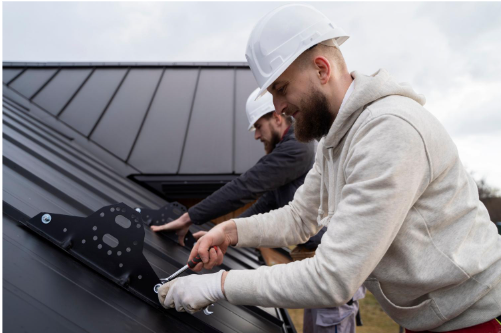
Professional installation remains one of the most important factors in determining long-term success. Even the highest-quality materials require skilled placement to function as intended. Proper fastening, alignment, sealing, and integration with the building’s ventilation and insulation are all essential components of a successful installation. Upright Roofing and Construction provides the expertise needed to complete projects with precision and care, ensuring strong results and dependable performance for years.
Conclusion
Modern solutions offer businesses the advantage of durability, energy efficiency, and structural strength. By understanding the available materials, the benefits of each design, and the importance of professional installation, owners can make decisions that support both immediate needs and future growth. With support from Upright Roofing and Construction, commercial roofing becomes a lasting investment that enhances protection, improves efficiency, and supports the long-term success of any property.