
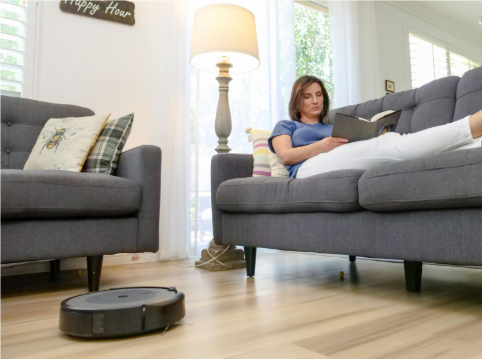
For many people, the idea of a small, diligent machine quietly gliding around the floor, collecting dust while they relax, is deeply appealing. Robot vacuum cleaners promise to reclaim time, reduce daily effort, and keep a home looking reasonably tidy with minimal intervention. But like any modern gadget, they sit somewhere between genuine helper and clever luxury, and it’s worth examining where they truly fit in your life before buying one.
In some households, the attraction is less about the device itself and more about what you can do while it works: reading a book, preparing dinner, or even taking a short break to click here and try your luck at a live casino game, all while the floor quietly gets taken care of in the background. The broader question is whether this convenience justifies the cost, the setup, and the inevitable compromises.
Do You Really Need a Robot Vacuum Cleaner?
The first step is to separate desire from necessity. Ask yourself: how much time do you actually spend vacuuming each week? If you live in a compact apartment with minimal traffic, you might manage with a quick manual clean every few days. In a larger home, especially one with children or pets, floors can get dirty fast, and the time spent vacuuming expands accordingly.
Consider your schedule and energy levels. If you often arrive home exhausted and resent the thought of pulling out a full-sized vacuum, a robot model can relieve that mental and physical load. On the other hand, if you don’t mind doing a focused clean once or twice a week, the benefit becomes less dramatic. Robot vacuums are most valuable when they replace frequent, low-level maintenance rather than occasional deep cleaning.
There is also the question of expectations. A robot vacuum is not a magical device that leaves every corner pristine. Its strengths lie in routine, repetitive cleaning. It can keep general dust and crumbs under control, but you will likely still need a more powerful vacuum or mop for corners, stairs, and stubborn dirt. If you understand that it supplements rather than replaces manual cleaning, you’re more likely to be satisfied.
Key Features to Consider Before Buying
Once you decide that a robot vacuum might make sense, the next step is to examine its features with a cool head rather than being seduced by shiny marketing promises.
Navigation and mapping. Some models move in seemingly random patterns, while others create a digital map of your home and follow more systematic routes. Mapped navigation often means fewer missed spots and less bumping into furniture. If your home layout is complex, good navigation becomes especially important.
Suction power and floor type. Not all floors are equal. Smooth surfaces like tile or laminate are generally easy for robot vacuums to handle, while thick carpets and rugs pose more of a challenge. If your home has many rugs, look for a model specifically designed to adjust height and suction as it moves from hard floor to carpet.
Battery life and charging. A larger home requires longer runtime. Many devices can return automatically to their charging base and resume cleaning, but this only works well if navigation is reliable. For small spaces, battery life is less critical, but it still matters if you want the cleaning cycle to finish in one go.
Dustbin capacity and maintenance. A tiny dustbin fills quickly in a home with pets or heavy foot traffic. Think realistically about how often you’re willing to empty it. Some advanced models have self-emptying bases, but that adds cost and still requires occasional attention. Filters and brushes also need regular cleaning, especially if you share your home with shedding animals.
Matching a Robot Vacuum to Your Home
Beyond individual features, it’s helpful to analyze how your specific home environment will interact with a robot vacuum.
Look at your floors with a critical eye. Are there many cables, low-hanging fabrics, or cluttered corners? Robot vacuums dislike chaos. To work effectively, they need reasonably clear paths. You might have to adapt your habits slightly—using cable organizers, lifting bags off the floor, or rearranging small objects that block the way.
Think about thresholds and room transitions. High door sills or uneven surfaces can trap some models. If your home is split into distinct areas, a vacuum with strong climbing ability and smart room recognition will save you frustration. In very small open-plan spaces, this is less of an issue, and even simpler devices can manage.
Noise tolerance also matters. Even relatively quiet robot vacuums produce a steady hum that not everyone finds relaxing. If you work from home in the same room, you may prefer scheduling cleaning for when you’re out or in another area.
Hidden Costs and Limitations
When evaluating whether you “need” a robot vacuum, it helps to factor in the hidden costs. The initial purchase price is only part of the story. Over time, you’ll need replacement brushes, filters, and possibly batteries. If you choose a model with more advanced features, the price of maintenance parts can be higher.
There is also the cost of attention. While the idea of “set and forget” is appealing, in reality you still have to monitor the machine occasionally. It might get stuck under low furniture, choke on loose strings, or miss areas when furniture is rearranged. Some users enjoy fine-tuning schedules and no-go zones; others find it mildly annoying.
Finally, ask yourself whether the device aligns with your broader habits. If you already like to do a quick tidy every evening, tapping a button to start a robot vacuum fits naturally. If you tend to ignore cleaning until things are very messy, you might not use it consistently enough to justify the investment.
So, Is It Worth It?
In the end, whether you really need a robot vacuum cleaner depends on a blend of practical and personal factors: the size and layout of your home, your tolerance for dust, your schedule, and your expectations. For some, it becomes a helpful, almost invisible partner that quietly keeps everyday mess under control. For others, it’s an interesting gadget that eventually ends up in a corner, underused.
The most balanced approach is to see it as a tool for managing routine dirt, not as a comprehensive solution. If you make that distinction, choose a model whose features match your home, and accept that some manual cleaning will still be necessary, a robot vacuum can genuinely improve the comfort and cleanliness of your living space. If not, you may discover that a traditional vacuum—and a bit of regular discipline—serves you just as well, without the extra cost.