
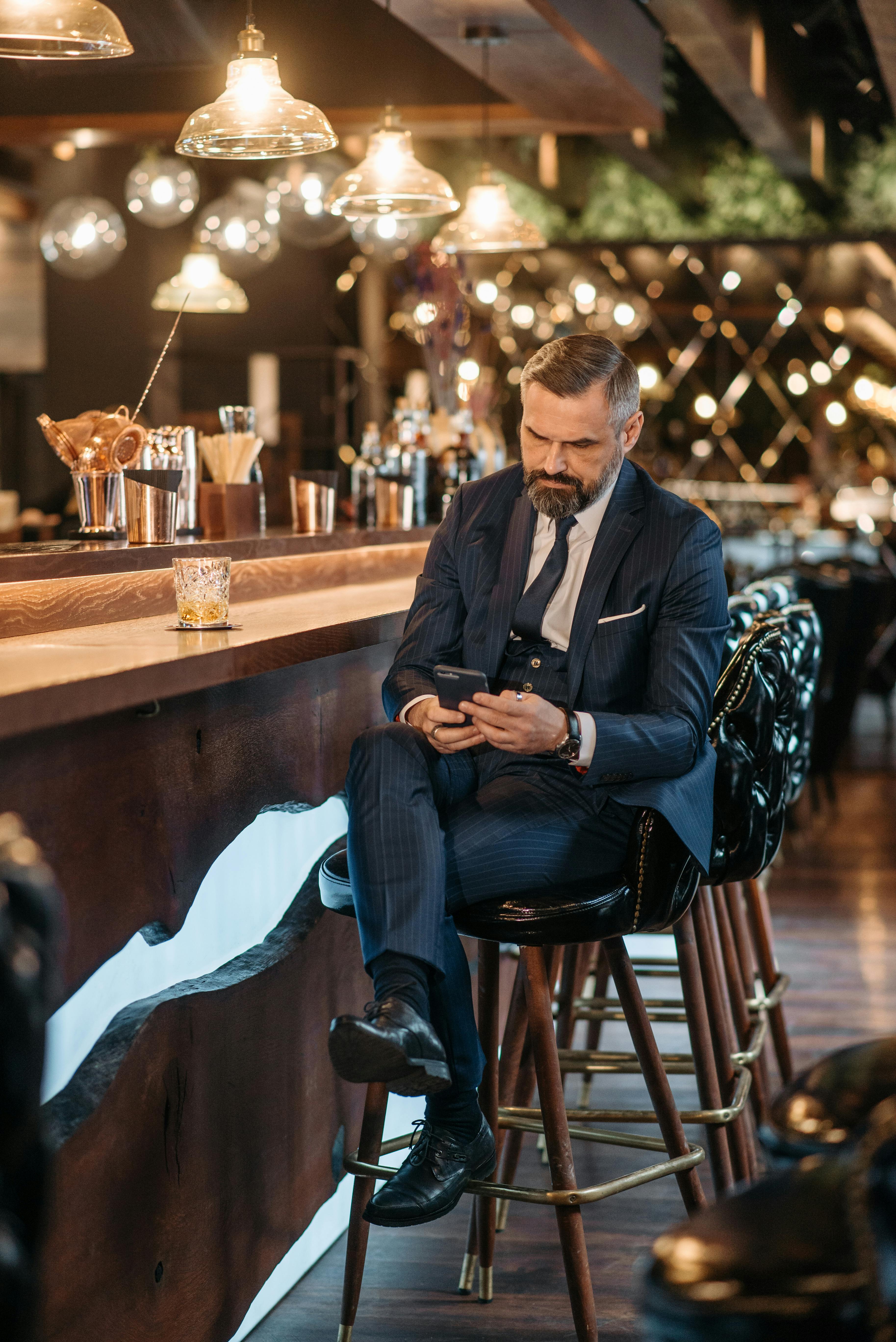
A familiar pattern is taking shape in neighborhood nightlife. A regular walks into a bar to catch a match, notices a few screens showing odds movement and live sports coverage, then ends up in a conversation with people who came for the same reason but from very different circles. That moment matters. It shows how local bars and lounges are becoming social filters for digital play. They are turning individual mobile habits into group rituals, and they are doing it through atmosphere, timing, and shared attention.
For operators, venue owners, and platform watchers, the shift is worth studying closely. Local iGaming nights are not simply themed events built around betting culture. They are a modern update of the old bar invitation – meet here, watch together, talk through the action, stay for the social energy.
Why Local Platforms Set the Tone for the Night
Before a bar can become a credible host for an iGaming-centered gathering, the underlying platform experience has to feel local, stable, and familiar. That principle matters across the US, Africa, and the EU, even if each market expresses it differently.
In the US, and often within communities like Gloucester City, users tend to expect seamless syncing between live sports viewing and app-based engagement, with clear interfaces and fast in-play responsiveness.
Across African markets, mobile-first design carries more weight because the phone often acts as the primary gateway to the entire experience. That is why region-specific access points, such as the Betway app download Tanzania, matter in practice. They signal that the product is built for the way local users actually enter the category.
In many EU iGaming markets, the expectation often centers on polished UX, clear compliance cues, and strong localization around language or payment flow.
That platform layer affects the room itself. When guests trust the product they already know, they spend less time troubleshooting and more time engaging with the social environment around them. Conversation moves faster. Newcomers ask better questions. Staff can focus on pacing the event instead of explaining basic functionality. High-quality local platforms make the bar feel organized, and that organization is what allows an iGaming night to feel like a shared occasion rather than a loose cluster of people staring at separate screens.
The Bar Has Become a Curator, Not Just a Venue
Bars and lounges that succeed with these nights understand that the real product is not the wager. It is the frame around the shared experience. Screen placement, sound design, host presence, table layout, and the sequence of live moments all shape how the room behaves. A well-run venue knows when to keep commentary light and when to give guests space to react on their own. It also knows how to balance regulars who understand the rhythm with newcomers who are still reading the room.
This is where hospitality skill starts to matter as much as any gaming trend. A bar that already knows how to manage trivia nights, live sports rushes, or themed viewing events has an advantage. It can borrow those same operational instincts and apply them to iGaming-focused gatherings. The result feels more natural because it grows from habits the venue already understands. Instead of forcing a new identity, the bar extends its old role as a local social anchor.
Shared Play Creates New Social Intersections
One reason these nights have gained traction is that they create unusual audience overlap. Sports regulars mix with casual app users. Friends bring friends who may know the league but not the format of live play. Industry observers often focus on digital acquisition funnels, yet the more interesting movement happens in person. A bar introduces context that apps alone cannot provide. It gives users a reason to ask questions out loud, react together, and form impressions through conversation.
That changes behavior in subtle ways. A newcomer who might feel isolated on a phone screen can enter through the social side first. A regular who usually keeps opinions to a close circle may open up when the room shares the same live moment. Even the venue benefits from this crossover because it expands the meaning of loyalty. People return for the social pattern, and the platform becomes part of that pattern rather than the entire point of it.
What Smart Operators Understand About the Format
Experienced operators know these nights need structure. The strongest ones avoid making the event feel chaotic or overly transactional. They build around timing, familiar sports moments, and clear house expectations. Staff need enough literacy to guide conversation and maintain a comfortable tone. Promotion also works better when it speaks to the community and shared viewing culture, rather than pushing pure play mechanics.
There is also a clear compliance and reputation layer. Any venue leaning into this format has to understand its local legal boundaries, its audience mix, and the signals it sends. That is especially important for neighborhood businesses with an established identity.
A Modern Version of “Meet Me at the Bar”
The phrase still works because the instinct behind it has not changed. People want a place where live moments feel bigger when shared. What has changed is the technology surrounding that instinct. Mobile platforms, live sports interfaces, and localized iGaming products now travel with the guest into the room. Bars and lounges that recognize this can create a format that feels current without losing the neighborhood feel that made them relevant in the first place.
That is why local iGaming nights deserve attention from anyone studying hospitality, digital behavior, or sports-adjacent culture. They reveal how physical venues still shape digital habits. They also show that even in a screen-driven category, people continue to look for the same thing they have always wanted from a bar: a reason to gather, a familiar room, and a shared moment that feels better with other people nearby.