
The Impact of Cannabis on Sleep: What Does the Research Say?

Sleep is a fundamental aspect of our health, influencing everything from our mood to our immune system. In recent years, cannabis has emerged as a popular remedy for sleep-related issues, but what does the research say about its effectiveness and safety? As more people turn to cannabis to catch some Z’s, it’s essential to understand the science behind its impact on sleep.

Cannabis and Its Effects on Sleep Architecture

Cannabis interacts with the body’s endocannabinoid system, which is crucial in regulating various physiological processes, including sleep. Researchers have been keen to explore how cannabis affects sleep architecture—the structure and pattern of sleep cycles. A healthy sleep cycle typically consists of several stages, including light sleep, deep sleep, and REM (rapid eye movement) sleep, each serving different restorative functions.

Studies have shown that cannabis can alter the duration and quality of these sleep stages. For instance, THC, the psychoactive component in cannabis, has been found to reduce the time it takes to fall asleep. This can be particularly beneficial for individuals struggling with insomnia or those who have difficulty initiating sleep. Additionally, THC may increase the amount of deep sleep, the most restorative phase, helping the body repair itself and consolidate memories.

However, the relationship between cannabis and REM sleep is more complex. Some research suggests that THC can suppress REM sleep, the stage associated with vivid dreaming and emotional processing. While reducing REM sleep might help alleviate nightmares in conditions like PTSD, it could also interfere with the natural sleep cycle, potentially impacting cognitive functions like memory and learning.

On the flip side, CBD, another prominent cannabinoid, appears to have different effects. Unlike THC, CBD is non-psychoactive and has been linked to promoting wakefulness and reducing anxiety, which can indirectly improve sleep quality. Some studies indicate that CBD may help regulate sleep patterns by addressing underlying issues such as anxiety and pain, which are common barriers to restful sleep.

Overall, while cannabis can positively influence certain aspects of sleep architecture, the effects can vary depending on the specific cannabinoids involved and the individual’s unique physiology. More research is needed to fully understand these dynamics and to develop guidelines for using cannabis as a sleep aid.

Therapeutic Benefits and Potential Risks of Using Cannabis for Sleep

The allure of using cannabis as a sleep aid lies in its potential therapeutic benefits. Many individuals report that cannabis helps them relax and fall asleep faster, providing relief from chronic sleep disturbances. Clinical studies have supported these anecdotal claims, highlighting cannabis’s ability to reduce anxiety and pain, two common culprits behind sleeplessness.

One of the primary benefits of cannabis for sleep is its anxiolytic effect. By calming the mind, cannabis can help reduce the racing thoughts and stress that often keep people awake at night. This can lead to a more peaceful and uninterrupted sleep experience. Additionally, for those dealing with chronic pain, cannabis offers a natural alternative to pharmaceutical painkillers, which can have significant side effects and lead to dependency.

However, the use of cannabis for sleep is not without its potential risks. Regular use of THC-heavy strains can lead to tolerance, meaning that over time, higher doses are needed to achieve the same sedative effects. This can increase the risk of dependency and other negative health outcomes. Moreover, as mentioned earlier, altering REM sleep could have long-term implications for cognitive health, potentially affecting memory and emotional regulation.

Another concern is the variability in cannabis products. The potency and ratio of THC to CBD can differ widely between products, making it challenging for users to find a consistent and effective dose. Without standardized dosing guidelines, individuals may experience unintended side effects, such as daytime drowsiness or impaired cognitive function.

Furthermore, the legal landscape surrounding cannabis adds another layer of complexity. In regions where cannabis is not fully legalized, obtaining high-quality and safe products can be difficult, increasing the risk of contamination or exposure to harmful additives.

In conclusion, while cannabis holds promise as a therapeutic aid for improving sleep, it’s essential to approach its use with caution. Balancing the potential benefits with the risks requires careful consideration and, ideally, consultation with a healthcare professional to tailor the approach to individual needs.

Long-Term Implications of Cannabis Use on Sleep Health

As cannabis becomes more widely accepted and used for sleep, understanding its long-term implications is crucial. Prolonged use of cannabis for sleep can have both positive and negative effects, and the long-term health outcomes are still being studied.

One of the positive long-term implications is the potential reduction in the use of prescription sleep medications. Many of these medications, such as benzodiazepines and zolpidem, carry risks of dependency, tolerance, and a host of side effects. By offering an alternative, cannabis could help mitigate these issues, providing a safer option for individuals seeking long-term sleep solutions.

However, long-term cannabis use is not without its drawbacks. Chronic use of high-THC strains can lead to cognitive impairments, particularly in memory, attention, and learning. These effects are more pronounced in younger users, whose brains are still developing. Even in adults, sustained cannabis use can result in subtle cognitive declines, which may impact daily functioning and overall quality of life.

Moreover, habitual cannabis use can disrupt the natural sleep-wake cycle. While cannabis can initially help with falling asleep, over time, the body may become reliant on it to initiate sleep, potentially leading to dependency. This reliance can make it difficult for individuals to sleep without cannabis, creating a cycle that may exacerbate sleep problems in the long run.

Mental health is another area of concern. While cannabis can alleviate anxiety in some users, it can have the opposite effect in others, especially with high THC concentrations. Long-term use has been linked to an increased risk of mood disorders, such as depression and anxiety, particularly in individuals predisposed to these conditions. Additionally, the suppression of REM sleep over extended periods could affect emotional regulation and increase susceptibility to mental health issues.

The impact on physical health should also be considered. Smoking cannabis, the most common consumption method can harm the respiratory system, leading to chronic bronchitis and other lung-related issues. Alternative methods, such as vaping or edibles, may reduce some risks but come with their own set of concerns, including the potential long-term effects of inhalants and the unpredictability of dosing with edibles.

In summary, while cannabis may offer short-term benefits for sleep, its long-term use presents a complex mix of potential advantages and risks. Ongoing research is essential to fully understand these implications and to develop guidelines that maximize benefits while minimizing harm. For individuals considering cannabis as a long-term sleep aid, it’s important to weigh these factors carefully and seek professional advice to make informed decisions.

Cannabis and its impact on sleep is a multifaceted topic that continues to evolve as research advances. From altering sleep architecture to offering therapeutic benefits and posing potential long-term risks, cannabis presents both opportunities and challenges for those seeking better sleep. While the initial promise of cannabis as a natural sleep aid is enticing, it’s crucial to approach its use with a balanced understanding of the current evidence and a keen awareness of the potential downsides.

As society becomes more open to cannabis use, ongoing studies will shed more light on its role in sleep health, helping to refine its applications and mitigate its risks. For now, individuals interested in using cannabis for sleep should do so thoughtfully, staying informed about the latest research and consulting with healthcare professionals to ensure their approach is safe and effective. The journey to restful sleep is deeply personal, and with careful consideration, cannabis can be a valuable tool in achieving that goal. Finally, if you are wondering about the best weed to smoke, check out this article!
THCA and You: Understanding the Effects of High THCA Cannabis in Your Wellness Routine

THCA, or tetrahydrocannabinolic Acid, is a non-psychoactive compound found in raw and unheated cannabis plants. As its precursor, Tetrahydrocannabinol (THC) is the primary psychoactive component. While THCA produces no high itself until decarboxylated through heat or decarboxylation to turn into THC, until that point, THCA will not make any noticeable high.

Understanding the role THCA plays in wellness routines is vital for anyone wishing to explore its potential without suffering the psychoactive side effects associated with THC.

What Is THCA? 

THCA can be found abundantly in fresh cannabis leaves and flowers. However, unlike THC, it does not bind well with CB1 cannabinoid receptors in the brain, thus producing no euphoric effects. Instead, it has recently garnered much interest due to its potential therapeutic uses, including anti-inflammatory and neuroprotective benefits.

  • Anti-Inflammatory Properties: Studies have revealed the benefits of THCA in reducing inflammation, making it a potential treatment option for conditions like arthritis and lupus.
  • Neuroprotective Properties: According to research, THCA may help protect brain cells from damage through its antioxidant properties.

Potential Health Benefits

Integrating high percentage THCA cannabis into a wellness routine could offer numerous health advantages. Research suggests that it contains several properties which could provide various advantages, including:

  • Anti-Inflammatory Benefits: Anti-inflammatory treatments can help decrease inflammation throughout the body, potentially helping those suffering from chronic inflammatory conditions.
  • Neuroprotective Effects: THCA may help protect against neurodegenerative disorders by protecting brain cells against damage.
  • Anti-proliferative properties: Initial research has indicated that THCA could prevent cancer cells from spreading further.

Effects of THCA go far beyond these; research continues to uncover more potential health benefits of the supplement.

Implement THCA into Your Routine

Introduce high-THCA cannabis into your wellness routine through various means, depending on personal preferences and healthcare professionals’ advice. Here are some common approaches:

  • Juicing: For an effective way of reaping the benefits of THCA without psychoactivity, consider juicing fresh cannabis leaves in juices or smoothies.
  • Salads: When making salads, use fresh cannabis leaves as an ingredient.
  • Supplements: Some health stores provide THCA supplements in pill or tincture form, making it easy to incorporate this cannabinoid into daily life.

Legal and Safety Considerations

Before adding THCA to your wellness regimen, it’s essential to establish the legal status of cannabis and its derivatives in your area. In regions where cannabis is legal, ensure you comply with all local regulations regarding purchase and consumption.

  • Consult a Healthcare Provider: Before embarking on any new supplement or wellness routine involving cannabis products, consulting with a healthcare professional is key.
  • Source responsibly: To protect both yourself and the law, always buy cannabis from trusted providers to avoid potential contaminants and ensure legal compliance.

Conclusion

THCA provides an exciting avenue for those interested in the therapeutic potential of cannabis without its psychoactive effects. Thanks to continued research and an upsurge in cannabis-based wellness practices, THCA could soon play a pivotal role in future healthcare and wellness practices. Always ensure compliance with local regulations when adding anything new to your wellness regimes, and consult healthcare providers when considering changes that might enhance wellness routines.

Five indoor activities that can ease your mental health this winter

With the cold weather well and truly here and the fact we’re at the point where we’re going to work in the dark and coming home in it, our mood can often feel a little lower and more and more of us can struggle with our mental health.
It’s a time of year where many a private mental health clinic London will especially fill up, with the pressures of the city combined with the season having a big impact on people. But that’s also the case up and down the country too.

With the rain often setting in it can be difficult to get out and enjoy some fresh air, something we often use as a coping mechanism. So what can we do instead?

Thankfully, there are plenty of indoor activities that can improve your mental health too, so if you’re struggling here are five that could be beneficial to you…

Practise Mindful Meditation

Meditation is one of the most powerful tools for managing mental health conditions and is often recommended by professionals working in mental health clinics. It can help reduce stress levels and increase feelings of calm. In fact, it can even improve sleep, which is often disrupted the higher our stress levels are.
There are plenty of YouTube tutorials and mindfulness apps out there to help get you started and just setting aside five to 10 minutes each day can have a big impact on your mental health, helping you find peace, clarity and focus to manage your stresses effectively.

Get Creative with Art Therapy

Painting, drawing and other creative activities can be great outlets for releasing emotion, expressing your thoughts visually. You don’t need to be an artist to make the  most of it, all you need is a blank canvas to work from and you can get going.

Whether you’re enjoying a colouring book, have a blank page or are getting involved in
something more crafty like crocheting or knitting, it can be incredibly soothing while also be great for boosting mood and confidence, with a real sense of achievement coming  from starting something from scratch.

Try Indoor Gardening

Houseplants can bring warmth and life into your home during the colder months. Studies have shown that indoor gardening can reduce anxiety, improve mood, and even boost productivity. Taking care of plants provides a sense of responsibility and routine, both of which can be comforting when you’re feeling low. From watering and pruning to repotting, indoor gardening offers a peaceful way to stay active and mindful.

Easy-to-care-for plants like succulents, snake plants, and peace lilies are excellent choices for beginners, and their presence can enhance the indoor environment by adding a touch of greenery. Some people find that even dedicating time to a small herb garden in the kitchen can be immensely satisfying, as it gives a sense of purpose and provides a lovely supply of fresh herbs for cooking.

Engage in Reading or Audiobooks

Reading a good book can offer an escape from the daily grind and is a fantastic way to
unwind. Whether it’s fiction, non-fiction, or self-help, a good book can immerse you in a
different world, provide new perspectives, or even give you tools to improve your mental well-being. Research suggests that reading can reduce stress levels, especially when it helps you focus on something other than worries or negative thoughts.

If reading feels too demanding, audiobooks provide a great alternative. Many people find the rhythm of someone reading to be soothing, making audiobooks an ideal way to unwind. With platforms like Audible and apps from local libraries, there’s a wide selection of stories to enjoy. Reading or listening to stories can be a comforting ritual,  and sharing book recommendations with friends can be a great way to stay connected during the winter months.

Take Up Indoor Exercise or Yoga

Staying active indoors is essential during winter when it’s often harder to get outside.
Exercise has been proven to boost endorphins and serotonin, improving mood and reducing symptoms of anxiety and depression. Simple indoor exercises like stretching, bodyweight exercises, or yoga can be just as effective as a gym workout and can be done from the comfort of your home.

Yoga, in particular, combines gentle movement with mindfulness, making it an excellent
practice for mental well-being. Practising yoga helps to release tension, improve flexibility, and reduce stress. YouTube channels like Yoga with Adriene provide guided sessions for all levels, so you can tailor your routine to suit your needs. A regular exercise or yoga practice will not only keep you physically active but will also help clear your mind, keeping you balanced and grounded during winter.

Melanotan 2 – A Comprehensive Guide

The melanotan 2 canada is a new and magnificent way to improve your body. You can only imagine what it can do to you (partially because there are not enough scientific studies and partially because melanotan can give you an almost infinite list of benefits). Intriguing, right? Let’s look at it closer.

What Are Peptides 

Melanotan 2 as melanotan 1 and others like them are peptides. Again, they are not steroids, however, they can give you the same boost as steroids. Peptides is a relatively new invention. Long story short, steroids are synthetic versions of testosterone, and peptides are chemical versions of natural amino-acids. Amino acids in turn are organic compounds that contain amino and carboxyl functional groups, along with a side chain (R group) specific to each amino acid. The elements present in every amino acid are carbon, hydrogen, oxygen, and nitrogen. In addition sulfur is present in the side chains of cysteine and methionine, and selenium in the less common amino acid selenocysteine. More than 500 naturally occurring amino acids are known and almost twenty thousand and its mixes exist for any purpose.  

What is Melanotan 2

As you can probably already guess, melanotan 2 canada is a peptide, a synthetic analogue of natural melanocortin. Melanocortin is also a peptide that stimulates the synthesis of melanin and determines the tanning of the skin. Melanin and Melanocortin are present in our body not only to give our skin a beautiful brown tone, but protect it from skin cancer. So melanotan 2 canada is not only a potent thing with a half-life of minutes but also quite an interesting thing which can really change your life. 

Melanotan 2 was first synthesized at the University of Arizona as a protection against skin cancer (since the melanin pigment has a protective function, blocking out ultraviolet rays). Scientists found that natural melanocortin has a short half-life, so it cannot be used as a drug, so it was decided to modify its formula to increase the stability of the molecule. After synthesizing and screening a large number of substances, the peptide [Nle4, D-Phe7] -α-MSH was found, which was approximately 1000 times more potent than natural melanocortin. It was later named Melanotan 2 and was patented. And this is how our little buddy was born.

Melanotan 2 Effects

Along with obvious benefits like tanning, because melanotan 2 canada affects our skin and protects it from skin cancer, it can also give you reduced hunger. Moreover, along with reduced hunger you also get less fat in your body, some research showed that your preferences in food can positively change. Consequently, if you eat less fat and sweet food you get blood sugar regulation which has a good influence on your overall state and mood. Another huge plus is increased libido. One may think, where is skin and where is penis? However, everything is connected, my friend. On such micro levels we can’t even imagine. Some say that melanotan can also improve impulsive and addictive behavior. We can conclude that it is positive from each side and quite a multipurpose thing to use. 

How To Take  

First thing to notice is that melanotan 2 is an injectable peptide (so as the most part of them). That is why you will definitely need syringes, a new one for each injection, you can use insulin syringes, alcohol swabs so everything needs to be as sterile as possible. You will also need sterile water so you can mix melanotan with it. It can not be sold premixed due to its potency. Melanotan dosage ranges from 100 mcg to 1 mg.  However, this is something you will need to work out yourself, since everyone is different, there is no standard dose that will fit everyone. People have different weights, skin types, preferred tan levels and also some people respond to drugs better than others. 

Side Effects

However, no one is perfect. So even melanotan 2 has its own side effects. For example you can experience an increase in blood pressure usually after the 1st – 3 injections, then the body gets used to the drug and this side effect disappears. Therefore, people suffering from high blood pressure should be wary of the drug. When using the drug, mild nausea and discomfort in the abdomen may occur. This is due to the fact that the drug is able to affect the digestive tract. With this side effect, it is recommended to lower the dosage and inject at night before bed. Freckles may also appear in places where melanin accumulates. In order to prevent this side effect, it is recommended to moisturize the skin and reduce both the frequency of injections and the dosage of the drug by 30-40%.

Conclusion

If you are keen on something new this thing is definitely for you. If you start using melanotan you can not only gain a good looking tan and healthy body but also help to carry out new scientific research on you. 

If you’d like to know more about Melbourne vein clinics make sure you visit Australian Vein Clinics.

A simple legislative fix will improve mobility for Americans in wheelchairs

By Chris Collin

It’s been 16 years since a motorcycle accident paralyzed me from the chest down.

But today, I can work and live independently, thanks to a revolution in wheelchair technology.

Unfortunately, not everyone in my position has access to the top-flight titanium or carbon fiber wheelchairs that have changed my life. That’s in part because Medicare — and the private insurers that follow its cues — don’t always cover them.

That needs to change. The millions of Americans who need a wheelchair to get around, to work, to live our lives deserve no less.

My first wheelchair was a heavy aluminum-framed one. Today, I use an ultralight, smooth-riding carbon fiber wheelchair. I don’t know how I managed beforehand.

To appreciate the difference the composition of a chair makes, consider two scenarios. Wheelchair users who drive must cope with the problem of getting our chairs into and out of our vehicles — in my case, without the use of abdominal “core” muscles or leg strength.

A standard chair can weigh 30 pounds or more for the frame weight, but additional accessories are needed to fit the consumer. The newer technology of titanium or carbon fiber may weigh less than half that.

The alternative, of course, is staying home.

Now consider road shock. Imagine swinging an aluminum tube, a titanium rod, and a carbon fiber composite at a tree trunk. With the aluminum, you feel pretty much the full extent of impact as vibration in your arms. With titanium, that’s reduced to a minor vibration. With carbon fiber’s crisscrossed filaments, you barely feel a thing.

Medicare only covers the cost of heavier, “standard” aluminum chairs.  If beneficiaries want one of the new, lighter models, they have to pay for it upfront themselves. That can cost around $5,000, and in many cases much more when you add the options that make the chair a fit for you.

The wheelchair supplier then applies for Medicare reimbursement at the standard level of 80% of the cost of an aluminum chair — which, of course, is less than the cost of an upgraded wheelchair.

After Medicare reviews and processes the claim, the supplier reimburses the beneficiary for his 20% copay — which, again, is based on the lower-cost aluminum chair.

That reimbursement process can take months. It requires submission of medical orders and wheelchair manufacturer attestations. That delay imposes a heavy burden on many disabled Americans.

It’d be great if Medicare and private insurers covered the most advanced wheelchairs since these chairs are deemed by professionals as medically necessary.

Failing that, they should at least allow people to pay only what they owe in cost-sharing and would eventually receive as a reimbursement, rather than having to wait months for a rebate.

Congress needs to pass legislation to provide Medicare beneficiaries with access to titanium and carbon fiber wheelchairs. In the House of Representatives, that legislation is H.R. 5371, or the Choices for Increased Mobility Act of 2023.

This issue is personal for me in another way. After my accident, I went to work for a company that makes the lighter, more durable wheelchairs that have given me a new lease on life. I’ve made it my mission to ensure that others who need wheelchairs can experience what I have.

I still like to ride a motorcycle — modified to suit my needs, of course. I’m also a ski instructor and an avid bicyclist. Our national commitment to allow people with disabilities to make the most we can of our personal circumstances is exemplary. This simple, cost-free legislative change to Medicare’s rules would make an outsized contribution.

Chris Collin is a regional sales manager at Motion Composites, a company that designs and manufactures ultralight wheelchairs, and is also a wheelchair user himself. He uses a carbon fiber framed wheelchair as his everyday chair. This article originally ran in RealClearHealth.

What Are the Common Causes of 18-Wheeler Accidents in Indiana?

Screenshot 2024-09-23 at 20.05.42

18-wheeler accidents, which usually cause fatalities, severe injuries, and major property damage, can greatly affect Indiana’s roadways’ safety. Based on a recent poll, Simplex, a well-known transportation company, found Indiana ranked ninth among all the states regarding danger for truck drivers. If you’re a truck driver, you need thorough knowledge of the regular causes of these 18-wheeler accidents to guarantee your safety and create successful preventative measures.

Failure to Abide by Indiana Regulations

One of the biggest causes of 18-wheeler accidents in Indiana is the disrespect of drivers and trucking companies toward state rules. Many times working long, hard hours, truck drivers might become exhausted, which is a key contributing cause of many accidents. Unlike other professions, 18-wheeler driving does not have a regular schedule;hence, it is the responsibility of trucking companies to ensure that their drivers receive adequate sleep. Indiana has rules in place to lower this risk, including the need for drivers to stop after eight hours of driving for thirty minutes. Tight delivery deadlines can lead drivers to surpass their limits, which raises their risk of accidents linked to tiredness. Since they are not entirely aware of these criteria, many drivers engaged in an accident may not seek suitable legal help. You should consult an Indiana 18-wheeler accident lawyer knowledgeable in Indiana law even in situations where you share some of the responsibility for the accident to ensure your legal rights are protected.

Improperly Loaded Cargo

Proper loading of goods is essential for guaranteeing road safety. Preventing any possible dangers during transportation depends on the proper loading of the cargo. For instance, it is crucial to make sure the cargo in a truck is fairly distributed and correctly secured to stop the 18-wheeler from tumbling over, especially while making abrupt curves. Cargo running on the road runs the threat of causing damage to other vehicles. Equally important are issues about weight distribution.

Speeding

Sadly, 18-wheeler accidents are somewhat frequent and overspeeding is a major contributing factor. 18-wheelers need a far larger gap than smaller vehicles when stopping totally;therefore, drivers that speed could have little time to respond to abrupt traffic changes, including slowdowns or unexpected halts. These vehicles’ great weight and bulk when combined with quick speeds might cause disastrous accidents. Driving too fast can have catastrophic effects on other motorists as well as the 18-wheeler driver. Therefore, drivers and transportation companies should give safety priority above speed if we are to avoid such sad events.

Dangerous Road Conditions

Accidents involving 18-wheelers are highly influenced by the weather and road conditions. Rain, snow, fog, and ice roads may all seriously impair sight and provide difficulties for drivers trying to keep control of their vehicles. Bad road design, which includes blind curves, inadequate shoulders, and small lanes, increases the risk of accidents involving big vehicles even more. Another possible threat is sites under construction. The great degree of uncertainty and congestion at these sites can expose 18-wheelers to accidents. Drivers should be careful and give safety priority when passing construction areas to prevent any possible accidents and guarantee the welfare of other road users as well as their own.

Medicaid Doesn’t Cover Obesity-Indicated GLP-1s In New Jersey

A new study on behalf of Real Chemistry has identified which state Medicaid programs cover GLP-1s.

The growing popularity of GLP-1 receptor agonists—including Ozempic and Wegovy from Novo Nordisk, and Mounjaro and Zepbound from Eli Lilly—has added fuel to an already fiery debate over the government’s role in subsidizing access to these drugs. Originally developed for Type 2 diabetes, these medications have proven highly effective for treating obesity—a chronic condition affecting more than 40% of U.S. adults. However, with costs often exceeding $1,000 per month for patients who are under- or uninsured, these treatments remain out of reach for many Americans.

Medicare currently limits its coverage of GLP-1s to individuals with Type 2 diabetes or certain heart conditions, excluding prescriptions aimed solely at obesity. Medicaid coverage of GLP-1s for obesity, however, varies by state. While all state Medicaid programs include GLP-1s prescribed for Type 2 diabetes, only 36 states cover at least one of the FDA-approved GLP-1s for obesity (Wegovy, Zepbound, or Saxenda).

Amid the Biden administration’s recent proposal to expand obesity drug coverage under Medicare and Medicaid, experts at Real Chemistry examined which state Medicaid programs currently cover GLP-1s approved to treat obesity and how much they are spending. This study uses Real Chemistry’s IRIS market intelligence platform, which includes over ten years of medical, hospital, and pharmacy claims data from more than 300 million U.S. patients. It examines how state Medicaid coverage for GLP-1 medications varies and the financial impact of these coverage differences.

How Much Does Medicaid Currently Spend on GLP-1s for Obesity?

Unnamed (4)

Data Source: IRIS by Real Chemistry | Image Credit: Real Chemistry

Medicaid spending on GLP-1s has grown exponentially over the past five years, reflecting both an increase in GLP-1 usage and expanded coverage in many states. This figure includes expenditures on both obesity-indicated GLP-1s and Type 2 diabetes-indicated GLP-1s prescribed to patients with an obesity diagnosis. In January 2020, spending on Ozempic, a Type 2 diabetes-indicated GLP-1, was just $4.6 million, while Wegovy—one of the most prominent FDA-approved GLP-1s for weight management—had not yet been introduced. By January 2024, monthly Medicaid spending on Wegovy alone exceeded $51 million, and by October 2024, it had grown to $192 million.

This rapid spending increase is the result of two primary factors. First, more Medicaid enrollees are being prescribed GLP-1s for obesity. Second, several states expanded Medicaid coverage to include GLP-1s specifically approved for obesity, such as Wegovy and Zepbound. This combination of increased usage and expanded state coverage has increased Medicaid spending on GLP-1s for obesity to more than $500 million in October 2024 alone, with total expenditures reaching $3.5 billion over the past 12 months.

Which State Medicaid Programs Currently Cover GLP-1 Drugs?

Unnamed (5)

Data Source: IRIS by Real Chemistry | Image Credit: Real Chemistry

Medicaid coverage for GLP-1s, both for Type 2 diabetes and obesity, varies widely across the United States. While all states cover at least one Type 2 diabetes-indicated GLP-1, coverage for obesity-indicated options is less consistent.

States Offering Broad GLP-1 Coverage for Obesity
A total of 14 states, including California, Michigan, and Pennsylvania, provide Medicaid coverage for the most common GLP-1s approved for either Type 2 diabetes or obesity. In these states, beneficiaries have access to Wegovy, Zepbound, and Saxenda, alongside Type 2 diabetes-indicated options such as Ozempic, Mounjaro, and Rybelsus.

States Offering Partial GLP-1 Coverage for Obesity
Another 22 states, including Texas, Arizona, and Washington, offer partial coverage for obesity-specific GLP-1s. These states typically include Wegovy and sometimes Saxenda or Zepbound in their Medicaid coverage lists.

States With No Coverage for Obesity-Indicated GLP-1s
In 14 states and the District of Columbia, Medicaid programs do not cover GLP-1s for obesity. Beneficiaries in these states, which include residents of New York, Illinois, and Ohio, can only access GLP-1s like Ozempic, Mounjaro, or Rybelsus if they have a Type 2 diabetes diagnosis. They currently don’t have access to Wegovy, Zepbound, or Saxenda under their Medicaid benefits.

States With Limited Type 2 Diabetes GLP-1 Coverage
A smaller subset of the states mentioned above with no coverage for obesity-indicated GLP-1s—including the District of Columbia, Florida, and New Jersey—also limits coverage for Type 2 diabetes-indicated GLP-1s. In these states, Medicaid coverage for Rybelsus or Mounjaro may be excluded, even though Ozempic is approved on the state’s Medicaid formulary.

Medicaid Spending on GLP-1 Drugs by State

Unnamed (6)

Data Source: IRIS by Real Chemistry | Image Credit: Real Chemistry

Nationally, Medicaid spending on GLP-1s totaled $3.5 billion between November 2023 and October 2024, averaging $48 per Medicaid enrollee. However, spending varies widely by state, reflecting differences in coverage policies and population needs.

California’s Medicaid program led the nation in total spending, exceeding $1.4 billion, or $118 per enrollee—the second highest per-capita spending. This total represents a 235% year-over-year increase, driven by the state’s large population and comprehensive coverage of all major obesity- and Type 2 diabetes-indicated GLP-1s. Pennsylvania ranked second overall in total Medicaid spend, with nearly $298 million in total spending and $106 per enrollee. Similar to California, Pennsylvania’s spending grew 232% year over year.

Kentucky stands out for having the greatest spending per enrollee at $162, despite ranking third in total spending. Unlike California and Pennsylvania, which provide broad coverage for all obesity-indicated GLP-1s, Kentucky’s Medicaid program covers only Wegovy for weight management alongside Type 2 diabetes-indicated medications. The states with the lowest spending, North Dakota and Wyoming, don’t provide Medicaid coverage for any of the obesity-indicated GLP-1s.

Here is a summary of the data for New Jersey:

  • Medicaid spending on GLP-1s (past 12 months): $52,647,057
  • Medicaid spending on GLP-1s (YoY change): +264%
  • Medicaid spending on GLP-1s per enrollee (past 12 months): $34
  • Total Medicaid enrollment: 1,557,771
  • Wegovy coverage (obesity-indicated): No
  • Zepbound coverage (obesity-indicated): No
  • Saxenda coverage (obesity-indicated): No
  • Ozempic coverage (Type 2 diabetes-indicated): Yes
  • Mounjaro coverage (Type 2 diabetes-indicated): No
  • Rybelsus coverage (Type 2 diabetes-indicated): No

For reference, here are the statistics for the entire United States:

  • Medicaid spending on GLP-1s (past 12 months): $3,452,602,033
  • Medicaid spending on GLP-1s (YoY change): +142%
  • Medicaid spending on GLP-1s per enrollee (past 12 months): $48
  • Total Medicaid enrollment: 72,429,055
  • Wegovy coverage (obesity-indicated): 34 states
  • Zepbound coverage (obesity-indicated): 16 states
  • Saxenda coverage (obesity-indicated): 19 states
  • Ozempic coverage (Type 2 diabetes-indicated): 51 states*
  • Mounjaro coverage (Type 2 diabetes-indicated): 46 states*
  • Rybelsus coverage (Type 2 diabetes-indicated): 46 states

*Including District of Columbia

Methodology

The data used in this study comes from IRIS by Real Chemistry—a proprietary market intelligence platform fueled by billions of data points, including medical, hospital, and pharmacy claims covering more than 300 million U.S. patients over 10 years. Additional statistics on Medicaid enrollment were sourced from the Centers for Medicare & Medicaid Services.

For this analysis, GLP-1 Medicaid spend is the estimated amount of money in U.S. dollars that Medicaid has spent on the most common GLP-1s (Ozempic, Mounjaro, Rybelsus, Saxenda, Wegovy, and Zepbound). Although Ozempic, Mounjaro, and Rybelsus are not FDA-approved for obesity treatment, they are included in the analysis due to the high number of patients with an obesity diagnosis using these products compared to other FDA-approved Type 2 diabetes GLP-1 agonists. That said, spending on Ozempic, Mounjaro, and Rybelsus is only included for patients who have an obesity diagnosis; whereas, spending on Saxenda, Wegovy, and Zepbound is included regardless of obesity diagnostic claims.

States were ranked based on total Medicaid spend on these GLP-1 drugs between 11/1/23 and 10/31/24. Note that spending totals are estimates generated by comparing previous government data figures from Medicaid’s State Drug Utilization Database to real-time claims data. State-level Medicaid coverage indicates whether an individual state includes obesity-indicated GLP-1s (Saxenda, Wegovy, and Zepbound) or Type 2 diabetes-indicated GLP-1s (Ozempic, Mounjaro, and Rybelsus) on its formulary or preferred drug list, including non-preferred or restricted coverage.

Understanding the Value of Knowing More About Assisted Living

Screenshot 2024-09-06 at 23.25.20

Seniors often prefer to age at home as long as possible. They may transition to assisted living when that option is no longer available. When they do so, they find they have been missing out. These senior living communities offer numerous benefits.

Residents interact with one another daily, so isolation and depression become less of a concern. These elderly individuals have help with everyday tasks, such as bathing and dressing, and they have access to healthcare. Once a person understands the value of assisted living, this transition becomes easier. What should every person know about these senior communities? 

Socialization Opportunities

There are several reasons why knowing more about assisted living is essential. For example, seniors remain at high risk of isolation and loneliness, which can be detrimental to their cognitive health. They may be eager to make this move when they learn about the socialization opportunities in assisted living communities and how these opportunities can help keep their mental facilities intact. These communities schedule group activities, outings, and other fun things to ensure all residents can interact with one another regularly in enjoyable settings. 

Increased Access to Healthcare

Residents of assisted living communities have access to healthcare when they need it. Most communities have a registered nurse on staff to help residents when problems arise. Staff members also help with medication management, transportation to medical appointments, and other healthcare-related tasks. Seniors with multiple health issues benefit significantly from this help. They have peace of mind knowing they aren’t overlooking anything and are doing everything possible to protect their health.

Help With Daily Tasks

Many seniors struggle to complete daily tasks. Bathing, dressing, and keeping up with the house are all things they need help with. Assisted living communities help seniors with these tasks to improve their quality of life while reducing stress. 

Safety

Assisted living communities prioritize residents’ safety. They have features to reduce the risk of falls and other accidents that can lead to serious injuries. These features typically include grab bars in showers, emergency call systems, and non-slip flooring. The community may also have lights that immediately turn on when someone enters a room so residents can see where they are going. 

Independence

Seniors don’t want to burden their loved ones. However, they may not be able to live alone. An assisted living community is where they can remain independent while having help when needed. Residents retain control over their lives and can find the right balance between personal freedom and support. 

Addressing Misconceptions

Seniors need to see the value in assisted living. They often hear of the drawbacks but not the benefits. By gathering information and sharing it with elderly loved ones, families can help them see why moving to assisted living might be best. Families need to remain patient and allow the senior to adjust to the idea. They must also respect the senior’s feelings and get their input. This decision should not be made and then presented to the senior. They need to be part of the process from day one. 

Assisted living communities are excellent for residents, but only when they understand the value of these communities. By highlighting the positive aspects of this move and addressing misconceptions, families find they can help their loved ones make this transition. Everyone will have peace of mind knowing the right choice has been made, and the senior will have the highest quality of life.

Comments

Experts have long had clear evidence that exercise helps slow the progression of Parkinson’s disease. This means that exercise holds great promise for people like me. When I was diagnosed with Parkinson’s a few years ago, I learned that one form of exercise – non-contact boxing – throws a particularly powerful punch.

Screenshot 2023-04-11 at 16.22.20 It sounds counterintuitive to put a person with Parkinson’s in boxing gloves and expect them to throw punches at a bag. After all, Parkinson’s, a progressive disease that affects the nervous system, is characterized by slow movement, gait disorders and tremors. But the mix of high-intensity aerobics, balance, strengthening and stretching programs that a boxing class provides turns out to be just the right type of exercise for Parkinson’s. Why boxing? Boxing workouts are good for your concentration and coordination, help with reaction times outside the gym, and can relieve stress. There is something very satisfying about using your body, particularly your torso and legs and arms, to rhythmically strike a heavy bag. A shared exercise class also helps you to meet others in similar circumstances. The original boxing program for people with Parkinson’s, called Rock Steady Boxing, was started in 2006 in a gym in Indianapolis. Classes focused on a non-contact, boxing-inspired fitness routine. Since then, the program has continued to grow and now Rock Steady Boxing affiliates have classes all over the world. The gym I attend is Kimberly Berg’s Rebel Fit Club, which includes a large Rock Steady Boxing program, in Tigard, Oregon. The gym has grown over time, and today there are over 350 fighters in 40+ classes a week all over the Portland Metro and SW Washington area, as well as virtual classes. What you need to know Like any exercise program, you will need to check with your doctor first. You will also need a knowledgeable boxing coach to evaluate you to make sure that you are not a falling risk or in danger of injury. If there is any concern, many programs also have entry-level classes that are tailored for a variety of modifications. You’ll need to have boxing gloves or a way to protect your hands; sometimes gloves are provided for you but many people prefer to bring their own. The classes are non-contact so you will not be punching anybody nor will anyone punch you. What happens in a typical Parkinson’s boxing class? You can expect some or all of the following activities:

  • Stretching and warm-up exercises
  • Doing cardio activities such as jumping rope and jumping jacks
  • Lifting hand weights
  • Footwork and other balancing exercises
  • Practicing proper techniques for throwing punches
  • Punching speed bags and heavy bags in different boxing combinations
  • Getting down on the floor for stretches and strengthening
  • Voice work
  • Cooling down

The role that community plays One of the best aspects of finding a Parkinson’s boxing gym is the opportunity to meet like-minded friends. There is typically a focus on socialization and community. For instance, the Rebel Fit Club that I attend has a Saturday morning women-only class. Afterwards, everyone is welcome to enjoy a cup of coffee together or to tune in for a virtual chat. In addition to providing a good workout, boxing classes are designed to combat the tendency of people with Parkinson’s to isolate themselves. Interaction with others – even when it’s in a boxing gym – is essential to our overall wellness. About the Authors Nancy Peate writes and speaks about wellness and how to live one’s best life despite chronic illness. A research librarian by profession, research topics of most interest include resilience and chronic illness, particularly Parkinson’s disease. She has participated and volunteered for the Parkinson’s Resources of Oregon, the Davis Phinney Foundation, and the World Parkinson Coalition. She spoke at the World Parkinson’s Congress in Kyoto, Japan in 2019 and hosts a monthly Parkinson’s support group. She lives in Portland, OR.

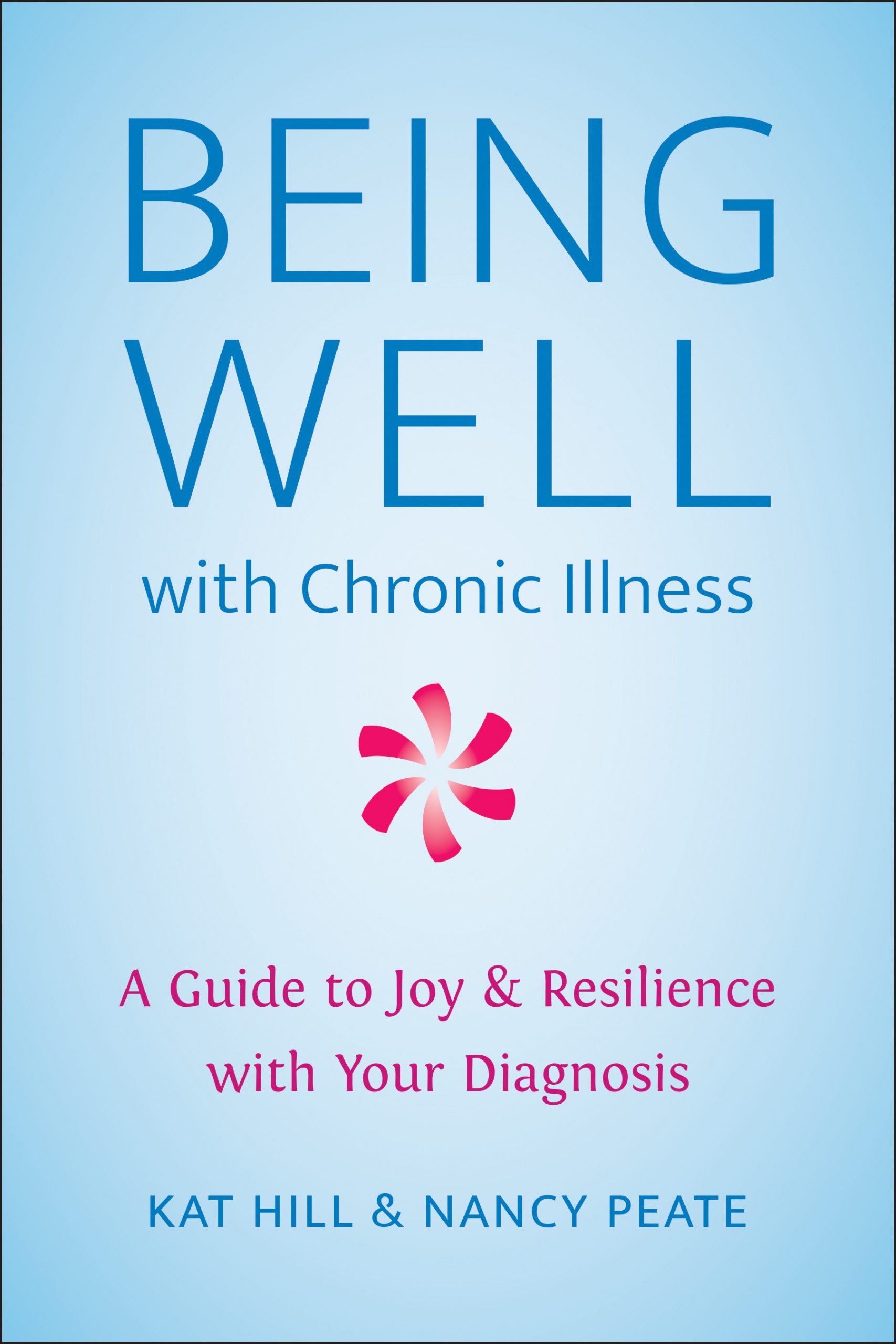
Kat Hill has a degree in Public Health, Nursing and Midwifery. She has worked as an educator and nurse, but after her diagnosis of young onset Parkinson’s disease, she has devoted her time as an advocate for persons with chronic illnesses. She is an Ambassador for the Davis Phinney Foundation and sits on the patient advisory committee for the World Parkinson Coalition. She spoke at the World Parkinson’s Congress in Kyoto, Japan in 2019. She has a podcast, PD Lemonade, that focuses on wellness and resilience. She lives in Portland, OR but is currently traveling across the country in her Airstream travel trailer. # # # Being Well with Chronic Illness Written by Kat Hill and Nancy Peate 978-1-57826-947-1, $18.00 paperback 978-1-57826-948-8, $9.99 ebook Published by Hatherleigh Press. Distributed through Penguin Random House. Available wherever books are sold. www.hatherleighpress.com

Hooray! My Last Cancer Treatment Is Over

PHILADELPHIA, PA (January 20, 2023)—On Wednesday, January 18, 2023, I headed to the Roberts Proton Therapy Center at 3600 Civic Blvd., Philadelphia, for my last prostate cancer treatment. With me were my wife, Connie; my daughter, Connie Lynn Woods; and my granddaughter, Brianna Woods. My entire family wanted to be there, but the hospital limits the number of support people you can bring with you.

Part of the celebration for people who complete this journey is ringing a ceremonial large bell that hangs in the corner of the waiting room on the bottom floor of that building. I was apprehensive, but what could go wrong? I watched five-year-olds ring that bell during my time at the Center, and they had no problems. Of course, being a Cleary, you always prepare to expect the unexpected, and so I was cautious. After being zapped by the Big Zapper, I got dressed and headed towards that corner for my big moment. My family gathered, and the patients and their family members in the room were looking toward the corner where I was standing. As I grabbed the rope to ring the bell, nothing happened. All eyes were on me. I swung the rope again, but still no sound. I looked towards Kathy, the receptionist, and she was yelling, “Swing it forward, not sideways.” Laughter and applause from the patients and staff broke the tension in the room as I rang the bell loudly and clearly several times.

Continue reading “Hooray! My Last Cancer Treatment Is Over”