The Most Popular Sports In New Jersey

Athletes, American Football Players – Free Stock Image

It’s no surprise that 67% of Americans are self-reported fans of at least one sport, and New Jersey contributes to the numbers, especially for certain sports. The Garden State is deeply rooted in a sports culture, as the unifying force often fills stadiums. Questioning which sports attract the most attention sparks plenty of debate because New Jersey has an array of traditions, cultural influences, and rivalries that make it unique from other states.

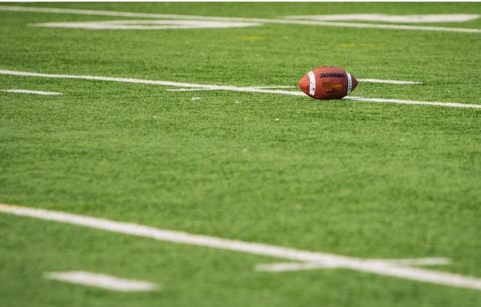
Football clearly leads the pack, being the most popular sport across New Jersey, South Jersey, and Philadelphia. While the New York Jets and Giants play at East Rutherford’s MetLife Stadium, they attract a strong fanbase here, despite their out-of-state names. College football also draws massive crowds across South Jersey towns, where rivalries have existed for decades. Pride on the field often matches the pride among communities. 

Locals also typically enjoy placing wagers on their favorite football teams using modern betting sites that accept crypto and other fast-payout options (source: https://casinobeats.com/betting-sites/bitcoin-betting-sites/). These sites offer real-time odds, live updates, in-play betting that suits the pace of football games, and major league coverage for fans across the state. New Jersey residents have the advantage of being able to place football bets from their smartphones for added convenience.

Sports betting sites provide valuable insights into which sports are the leaders in the state. Basketball is another favorite among locals, as New Jersey was once home to the famous Nets before they moved to Brooklyn. Rutger’s women’s and men’s basketball programs also continue to represent the state in the NCAA, while the games have drawn national attention. Gyms in nearly every town are filled with upcoming basketball players who keep the sport alive with the potential for new talent to rise from within the state. 

Baseball also holds many hearts, partly because the state famously produces top players, with a few becoming New York Yankee legends. The Yankees and Phillies may play across state lines, but they have many local fans because of homegrown talent that originated in towns like Newark, Toms River, Point Pleasant, and Gloucester City. Minor league baseball has also become a massive hit in New Jersey, South Jersey, and Philadelphia, drawing crowds from casual onlookers to longtime fans. 

Ice hockey is another sport that draws attention, albeit not on a dominating level across every town. The New Jersey Devils have kept the sport thriving, with everyone wondering if the players will be ready for the upcoming training camp. Their three Stanley Cup wins engraved their place in the state’s history, and hockey culture has spread more rapidly across rinks from South to North Jersey. The sight of players wearing their legendary jerseys with sticks slumped over their shoulders is quickly becoming a regular pastime for locals during colder months. The Devils gave the sport a local identity, which will continue to grow.

Last but not least, soccer has shown some impressive growth, especially recently, when the Rowan Men’s soccer team finally rose above the 22nd ranking. New Jersey’s diversity and ability to make grassroots sports become daily rituals have allowed soccer to thrive. The state has also produced respectable players like the US Men’s National Team captain Claudio Reyna from Livingston. Harrison’s Red Bull Arena has also opened new doors for professional players, while South Jersey fields have filled with recreation leagues and travel teams. 

The most popular sports in New Jersey, South Jersey, Philadelphia, and even Gloucester City itself align with the state’s diverse identity. They may vary according to who you ask, but sports have become part of the local culture, whether watching football at MetLife Stadium or betting on the best upcoming basketball player. These events create memories, connect locals to tradition with a mix of national conversation, and ultimately build a deep sense of pride. 

Eagles Season Kickoff: What South Jersey Fans Should Know

The energy in South Jersey and Philadelphia is at a fever pitch as the Philadelphia Eagles prepare to launch their 2025 campaign. The defending Super Bowl champions will open the season in front of a national audience on Thursday, September 4, at Lincoln Financial Field against their fiercest rivals, the Dallas Cowboys. 

Few matchups stir emotions in this region like Eagles versus Cowboys, and with the added weight of being the first game of the season, anticipation has reached new levels. Lincoln Financial Field will be electric as fans flood in from Gloucester City, Camden County, and across the Delaware River. 

Kickoff games always bring optimism, but this one carries a special sense of pride. South Jersey natives see it as more than just a football game; it is a celebration of community, resilience, and the chance to start the journey toward back-to-back championships.

The Opening Stretch: Three Weeks That Matter

The Eagles’ first three weeks of the season present a gauntlet that will quickly reveal the team’s mettle. Opening night against Dallas is about more than bragging rights. The Cowboys arrive determined to prove themselves, led by a healthy Dak Prescott and new star wide receiver George Pickens. 

Philadelphia’s defense, which proved dominant last season, will need to smother that offensive pairing to protect home turf. Week two takes the Eagles to Kansas City in a rematch of Super Bowl LIX. Fans remember the intensity of that showdown, when Vic Fangio’s defense frustrated Patrick Mahomes and showcased a championship pedigree. 

A September clash at Arrowhead offers another opportunity to measure this defense against one of the best quarterbacks in the game. 

Week three brings the Los Angeles Rams to Philadelphia, a contest that offers both danger and opportunity. The Rams remain unpredictable, but the Eagles will relish a chance to extend momentum at home in front of loyal fans. 

Many supporters are already tracking how these matchups shape the Philadelphia Eagles odds and the possibility of another deep run, a reminder of how much attention this team commands nationwide.

Preseason Storylines That Carry Into Week One

The Eagles wrapped up the preseason with a 2-1 record, but the final scores mattered less than the individual performances that shaped the roster. Rookie safety Andrew Mukuba delivered a jaw-dropping interception return for a touchdown and recovered a fumble, quickly making a name for himself as a future star. 

Linebacker Jihaad Campbell showed flashes of promise, recording a sack and multiple tackles in limited action. Undrafted receiver Darius Cooper fought his way onto the roster with standout efforts, embodying the underdog spirit this region loves. 

One of the most significant roster moves came just before the season when Philadelphia acquired quarterback Sam Howell to serve as a young backup behind Jalen Hurts. The move provided needed depth after an uneven competition during training camp. Special teams also stood out, as punter Braden Mann showcased leg strength with booming kicks and kicker Jake Elliott remained reliable. 

Preseason injuries created some concern, especially on the offensive line. Pro Bowl guard Landon Dickerson underwent meniscus surgery, while tackle Jordan Mailata suffered a concussion that left his week one status uncertain. Wide receiver A.J. Brown dealt with hamstring issues that limited his practice time. 

These setbacks remind fans that the long grind of an NFL season requires depth and resilience from every positional group.

Roster Reinforcements and Championship Expectations

Philadelphia’s front office was aggressive in the offseason, adding proven playmakers to an already stacked roster. Saquon Barkley joined to bolster the running game, bringing dynamic versatility alongside Jalen Hurts. 

Receiver John Metchie provides valuable depth, while cornerback Jakorian Bennett strengthens the secondary. These moves complement a roster that remains one of the most balanced in football. Jalen Hurts continues to lead the charge with poise and athleticism. 

Analysts point to his improvement as a passer as the key to unlocking the next level for this offense. Surrounded by a strong offensive line and explosive playmakers, Hurts enters the season with MVP buzz. 

Defensively, Vic Fangio’s system remains in place, anchored by young talent ready to step into bigger roles. 

National projections place the Eagles at around 11.5 wins, a sign of continued confidence in their dominance. Some experts believe Philadelphia will not only repeat as NFC champions but also challenge for another Lombardi Trophy. 

Fans enjoy comparing local coverage with NFL matchup analysis for this week, which highlights how the Eagles measure up against rivals across the league. South Jersey supporters take pride in knowing that the conversation around their team always holds national importance.

The South Jersey Fan Experience

The Eagles are more than a football team in this region. They are a shared identity, woven into the fabric of South Jersey and Philadelphia communities. On game days, Gloucester City bars and restaurants transform into green-and-white sanctuaries. 

Numerous bars and establishments across Gloucester City and South Jersey transform into green-and-white sanctuaries, where cheers echo down the block, especially when the Cowboys come to town. Rally House and the Eagles Pro Shop in Cherry Hill overflow with fans stocking up on jerseys, hats, and flags to display their loyalty. 

Tailgating remains a cherished tradition, whether at Lincoln Financial Field or in backyards across Camden and Gloucester counties. Families set up grills, neighbors gather around big screens, and lifelong friends reconnect over cheesesteaks and wings. 

Social media groups also keep the community connected, offering a digital tailgate for fans who can’t make it in person. These experiences remind everyone that Eagles football is not just about the scoreboard. It is about belonging to something larger than yourself.

Why This Kickoff Feels Different for Philly Fans

Every season opener brings hope, but this one carries an extra weight. The Eagles begin not as underdogs chasing glory but as defending champions with a target on their backs. History shows how difficult it is to repeat as Super Bowl winners, and the road ahead is filled with challenges. 

Yet this team enters with depth, leadership, and the belief that they can build a dynasty. For South Jersey fans, the start of the 2025 season represents more than another schedule on the calendar. It is the renewal of tradition, a chance to celebrate community, and an opportunity to watch their team chase greatness once again. 

The echoes of last season’s championship parade still linger, and now the region prepares for another unforgettable ride. As kickoff approaches, one truth resonates from Gloucester City to Broad Street: the Eagles are ready, the fans are ready, and the season ahead promises to be one for the ages.

*Content reflects information available as of 27/08/2025; subject to change

Why Betting on Game Day Now Feels Like a Group Chat

Whenever the group chat lights up just as the kicker lines up, emojis fly, and your phone buzzes with that tiny burst of adrenaline you now share with friends in three different time zones. Maybe you placed the wager through Jackpot City Malawi, maybe through a hometown sportsbook. The rush feels identical.

That’s social betting, wagering that plugs straight into the same mobile habits we already reserve for memes and hot-take debates, with more than 80% of U.S. bets now placed on phones. The crowd is swelling, too: one in five American adults gambled on sports this year, up from 12% two seasons ago. Over the next few minutes we’ll explore why the communal rush matters, how the tech makes it seamless, what younger bettors expect, and why a regulated “group huddle” can actually feel safer than the open social-media wilds.

From Solo Screens to Group Cheers

Until recently, sports wagering resembled solitaire. You picked a side, crossed your fingers, and celebrated (or sulked) alone. Two market forces flipped that script. First, phone dominance: when four out of five wagers happen on the same device that hosts every friend thread, betting slides naturally into the social stream. Second, sheer volume: Americans staked $119.84 billion on sports in 2023, a 27.5% jump year over year. More users plus more action equals more conversation. A last-second field goal no longer triggers one cheer; it sets off thousands of synced reactions, GIFs and lighthearted ribbing. Think digital watch-parties: real-time banter that turns passive viewing into a shared mini-event, only now there’s real money and bragging rights on the line. After the kick is good, screenshots of winning slips flood the chat, and the moment feels bigger because it’s collective.

Chat Boxes > Odds Slips

What actually converts private wagers into public celebrations? A growing toolkit inside betting apps: live chats, shareable bet-slips and rolling leaderboards that refresh as fast as the scoreboard. Industry consultant Stephen Crystal says these features “replicate the communal aspects of traditional sportsbooks,” giving bettors a hub to swap picks, drop emojis and toast wins together. Operators aren’t adding them for fun; social layers extend session time and help rookies learn the ropes by observing friends. Picture a platform that feels less like a spreadsheet and more like a fitness challenge. Everyone pushing each other, celebrating milestones, and unlocking rewards as a squad.

It comes down to simple additions to the experience:

-Live chat with GIF support 

-One-tap bet-slip sharing straight into group threads 

-Dynamic leaderboards that reset each game week 

-On-screen confetti when a friend’s parlay cashes

Those four touches turn raw numbers into moments: little jolts of community that odds tables alone never deliver.

Gen Z’s “Betmoji” Mindset

Younger bettors grew up flipping between apps mid-sentence, so they expect wagering to match the rhythm of their timelines. Sixty-one percent of U.S. adults aged 18-30 already place sports bets, and 31% of all Americans now wager weekly. For this crowd, micro-wagers during a single drive feel natural, because scrolling itself happens in seconds. They want to fire off a hot take, back it with a micro-stake and stamp the chat with a Betmoji, all before the play clock hits zero. Friends immediately react; odds shift; a new prop appears. The line between spectating and participating blurs until it’s practically invisible. If attention spans keep shrinking, will ten-second prop bets outshine full-game lines? That’s a real question operators must ponder as they balance depth with instant gratification. The way things are going, grabbing and maintaining attention will be an ongoing issue.

Safer, and Maybe Even Smarter, Together

Social media can feel like the Wild West, yet the same interactivity inside a regulated sportsbook plays by stricter rules. Closed communities live under know-your-customer checks, transparent bet histories, and automated responsible-gaming alerts. Industry analysis notes these context-specific networks “deliver interactions general platforms lack,” tightening the loop between verified players and accurate information. Peer oversight helps, too: when friends see each other’s stakes, out-of-character bets stand out quickly. Imagine getting a gentle nudge from a buddy before an impulsive late-night wager spirals. Algorithms flag patterns, but so can a friend who notices someone chasing losses. By turning betting into a group activity inside a regulated zone, the experience can be both more social and more secure.

One Last Cheer

Mobile convenience, built-in chatrooms and a youth-driven surge are reshaping the simple wager into a shared storyline written play by play. Next up: voice-activated bets called right from the couch, curated friend leagues that set odds on inside jokes, maybe even augmented-reality leaderboards floating above the coffee table. Everything sounds exciting though the one constant is this: betting feels better when cheers resonate back at you. So the next time you hit “Place Bet,” just take a pause: who is doing the high-fives in your notifications right when that final buzzer goes off?

Top Casino Promotions Tied to Major Sports Events

It happens every year, almost like clockwork, though not exactly. Big sports moments roll in, and suddenly the promos start popping up from every direction. Some of this seems organic, sure, but a lot of it is clearly planned to catch fans right as the buzz builds. Not a conspiracy, just smart timing. And, honestly, it works because people are already keyed up for the games.

NFL Season Kickoff Offers

When the NFL kicks off, the promo floodgates tend to open. Operators push hard here, probably because football draws the widest net of casual bettors. You’ll see things like “first bet insurance” climbing toward the $1,500 mark, or the classic “bet $5, get $200 in bonus bets.” Sometimes these come packaged with casino promos, too, as a way to pull in crossover players. The exact numbers shift by state and by week (and by the fine print, which, yes, is worth reading). Industry trackers like Sportsbook Review often point out how these offers cluster around Week 1 to scoop up newcomers and nudge lapsed users back in. It’s coordinated, maybe a bit aggressive, but it does make that first Sunday feel bigger.

NBA Tip-Off Promotions

Then comes the NBA, and with it a different flavor of hype. As the season tips off, promos tilt toward hoops-specific perks: up to $1,000 in bonus bets isn’t rare, and profit boosts on same-game parlays or player props tend to spike. One night it’s a 25% boost on assists, the next it’s a special for three-pointers, operators like to chase whatever storylines people are talking about. Is it overkill sometimes? Maybe. But it keeps the nightly slate feeling lively, and that’s the point.

UFC Fight Night Incentives

Fight nights are quick-hit opportunities, and the promo patterns reflect that. Leading up to a big card, you might catch a cluster of 100% profit boosts (ten in a bundle isn’t unheard of) or enhanced lines for method-of-victory and round betting. Reports from places like Legal Sports Report suggest these are timed to weigh-ins and main-event chatter, short window, maximum attention. It’s sharp marketing. Whether it actually boosts long-term engagement is another question, but in the moment, it’s hard to resist a sweetened line on a five-round slugfest.

In-Person Casino Events

On the floor, physical venues lean into spectacle, especially when sports traffic is already heavy. Expect drawings tied to holiday weekends, playoff runs, or all-star breaks, with outsized prizes: luxury cars, big cash pools, VIP trip packages. I’ve seen promos touting a $1.4M Porsche giveaway (flashy, yes; the mechanics are usually more nuanced once you dig in). Add watch parties, table-game hot seats, and a few food-and-drink comps, and the place feels packed—by design. It’s less about a single bet and more about keeping people in the building.

Anyway, fun is fun, but the meter’s always running. If you’re dabbling in these offers, set a limit before the adrenaline does it for you. Skim the terms, skip the FOMO, and maybe sit out a promo if it’s nudging you past your comfort zone. The games will still be there next week.

Why 1Win India is the Leader in Cricket Betting: Unique Markets and Opportunities

1Win India confidently holds the leading position among cricket betting platforms in the country, and there are good reasons for this. Since entering the Indian market, the bookmaker has quickly gained the trust of millions of players thanks to its focus on local characteristics and the favourite sport — cricket. This sport is not just a game in India, but a national passion, and 1 Win takes this passion into account as much as possible, offering unique opportunities and a wide range of bets that make it a favourite among bettors.

We will tell you in detail what exactly sets 1Win apart from its competitors in the cricket betting segment.

Unique Cricket Betting Markets at 1Win India

1Win India’s main advantage is the wealth and variety of cricket betting markets, which makes the game exciting and as personalised as possible. The platform covers almost all major and regional tournaments that are popular with Indian fans. 

These include the legendary Indian Premier League (IPL), international matches, and championships such as the Pakistan Super League, Big Bash League, Caribbean Premier League, as well as numerous tournaments from Bangladesh, South Africa and other countries.

In addition to classic match outcome bets, 1 Win offers a wide range of specialised markets. Players can bet not only on the winner, but also on the outcome of specific game events: who will make the first six, how many points a player will score, the outcome of a particular round, the number of runs, interim results and much more. This variety allows you to create personalised strategies.

Moreover, 1Win is actively developing localised offers. This includes exclusive lines and marketing campaigns specifically targeted at the Indian audience. 

1Win Features and Functions for the Cricket Segment

1Win India is constantly introducing modern technologies and features to make cricket betting as convenient, fast and profitable as possible for its users.

  • One of the key advantages is the convenience of mobile apps and an adaptive version of the website, which are designed specifically with the Indian market in mind. Users can easily place bets from any smartphone or tablet, which is especially important for active and mobile players.
  • The platform offers high odds and low margins on cricket, which has a positive impact on bettors’ potential profits. This is especially important for those who bet regularly and want to make the most of their money.
  • The real magic of cricket betting at 1Win is revealed in live mode.As events unfold on the field, the odds change in real time, reflecting every rise and fall of the team. Here, speed of reaction is important — players can place a bet a second before the decisive throw or after an unexpected turn in the game. Built-in video broadcasts allow you to follow the match without leaving the betting line, and the convenient interface allows you to place several predictions at the same time. 
  • Newcomers to 1 Win can start with a welcome bonus that increases their first deposit and gives them a reserve for active play. During major tournaments, such as the IPL, themed promotions are held with free bets and increased odds on key matches. For regular players, there are cashback programmes that allow you to get back some of your lost funds, and personal offers for those who place large bets.

Easy Deposits and Withdrawals for Indian Users

1Win India provides the most convenient and secure financial transactions. The platform supports a wide range of local payment systems. Available methods include UPI, Visa and MasterCard bank cards, popular e-wallets and even cryptocurrencies.

Instant deposits allow players to quickly replenish their accounts without unnecessary delays and commissions, which is especially important for live betting. The withdrawal system is also designed for efficiency — users can count on fast transfers to their accounts without long delays.

Local Support Service and Work with Players from India

1Win India attaches great importance to quality user support and building strong relationships with players. The support service operates around the clock, offering assistance in several languages, including Hindi and English. 

In addition to standard chat and email, the platform offers personalised VIP services for regular and high-rollers, providing an individual approach and additional privileges. 1Win is also actively developing loyalty programmes, rewarding regular users with bonuses, cashbacks and exclusive offers.

Why 1Win India is Ahead of Its Competitors

In the world of cricket betting, competition is fierce, but 1Win India manages to maintain its leadership not only through its wide range of bets and generous bonuses.

Its key advantage is a combination of speed, flexibility and a focus on the real needs of players. Here, odds are updated instantly, markets cover both popular outcomes and niche events, and live betting is integrated with broadcasts so that you can react to what is happening without delay.

Compared to most of its competitors, 1Win offers a depth of betting options that is rarely found on the Indian market: bets on individual overs, on the statistics of specific players, and on unique match scenarios.

Plus, the site actively uses analytics and algorithms to tailor offers to current tournament events, putting it ahead of less flexible operators. It is also important that 1Win does not simply copy the approaches of international bookmakers, but adapts its service to Indian players.

From support for rupees and local payment methods to IPL-themed promotions, it all creates the feeling that the bookmaker ‘speaks the same language’ as its audience. As a result, players get more than just a place to bet; they get an ecosystem where every element, from the interface to the betting line, is tailored to their love of cricket.

Conclusion

1Win India deserves its leading position in the cricket betting market thanks to its wide and unique selection of markets, advanced technological solutions and user-focused service.

The convenience of mobile apps, competitive odds, a variety of financial instruments and attention to local characteristics make the platform the ideal choice for cricket fans in India.

For those who value innovation and reliability, 1 Win India is the optimal space for cricket betting. Discover the platform’s wide range of possibilities and start betting with confidence and comfort.

How to Plan Memorable Seasonal Football Awards

Pulling off truly memorable seasonal football awards takes more than shiny trophies and a room full of people in smart casual. It’s the story you tell about the season—the work, the grit, the funny moments, the heartbreaks, and the wins—packaged into an evening that makes every player, coach, parent, and supporter feel seen. Here’s a step-by-step playbook to help you plan an event that celebrates your club’s identity and sends everyone into the offseason buzzing.

1) Set clear goals (and keep them visible)

Before you book a venue or price a trophy, decide what “success” looks like. Common goals include:

  • Celebrate player development and team achievements
  • Recognize volunteers, staff, and sponsors
  • Strengthen community ties and club culture
  • Fundraise for next season
  • Capture content for social media and recruiting

Prioritize two or three and let them drive every decision. For example, if fundraising matters, build in silent auctions or pledge moments. If culture-building is key, plan interactive segments that spotlight different age groups and roles.

2) Map a realistic timeline

Work backward from your target date:

  • 8–12 weeks out: lock the venue, theme, budget, AV needs, and emcee; finalize award categories; decide on nomination and voting process.
  • 6–8 weeks: open nominations, order trophies/medals, book photographer/videographer, request sponsor commitments.
  • 4–6 weeks: close nominations, confirm shortlist, script the show, gather season highlights (photos, clips, stats).
  • 2–3 weeks: finalize winners, print programs, assign presenters, build the run-of-show and cue sheets.
  • Week of: rehearse transitions, test slides/videos, confirm table plan, brief volunteers.
  • Day of: arrive early, run tech checks, set signage and trophies, greet presenters and VIPs.

Treat the timeline like a training schedule—short, consistent sprints beat last-minute chaos.

3) Build a budget that matches the moment

List fixed costs (venue, catering, AV, trophies) and variables (decor, photo booth, gifts). Then offset with:

  • Sponsorships: offer tiered packages—logo on step-and-repeat, award naming rights, social mentions, table signage.
  • Ticketing: early-bird pricing for families; free or discounted entry for players to encourage attendance.
  • Silent auction & raffles: signed memorabilia, local business vouchers, “coach for a day,” or camp credits.

Add a 10% contingency; something always pops up (extra cables, last-minute printing, or additional seats).

4) Choose a theme that feels like your club

Themes give coherence to the night—from invitations to slides. A few crowd-pleasers:

  • “Under the Lights”: stadium-style lighting, turf accents, LED number displays.
  • “Road to Glory”: maps, travel stamps, each table named after an away ground.
  • “Hall of Legends”: black-and-gold palette, museum-style photo boards of alumni and milestones.

Whatever you choose, keep it subtle, repeatable (so you can iterate annually), and achievable within budget.

5) Craft award categories with purpose

The best seasonal football awards mix performance metrics with values you want to reinforce. Balance team, individual, and community recognition. Examples:

  • Performance: Player of the Season, Defensive Rock, Midfield Engine, Golden Boot, Playmaker, Rookie of the Year, Clutch Performer.
  • Process & character: Most Improved, Iron Worker (attendance/effort), Coach’s Award, Leadership, Sportsmanship, Scholar-Athlete.
  • Role-based: Keeper of the Year, Super Sub, Set-Piece Specialist, Fitness Warrior.
  • Community: Volunteer of the Year, Supporter Spirit, Club Service, Sponsor Appreciation.
  • Fun & culture: Best Goal Celebration, Social Media MVP, “Muddiest Kit.”

Define clear criteria for each category and state them publicly—trust grows when people know how decisions were made.

6) Run a fair nomination and voting process

Decide early: coach-selected, player-voted, committee-decided, or a hybrid. Good practice:

  • Use a simple, secure form for nominations with a short rationale field.
  • For player votes, cap entries to prevent ballot stuffing and make voting anonymous.
  • For public votes (e.g., Goal of the Season), set a deadline and post clips with identical framing.
  • Keep winners confidential to preserve suspense—only share with the emcee and a tech lead.

If tie-breakers are likely, have a small, trusted panel ready to decide based on the published criteria.

7) Make trophies and keepsakes matter

A trophy should feel like it belongs to your club. Options:

  • Custom medals or acrylics with club crest and colors.
  • Engraved plaques with a line from your club’s mission.
  • Functional keepsakes: embroidered caps, scarf pins, or mini pennants for nominees.
  • Team awards: framed squad photo with season record and key stats.

Present certificates to all nominees to widen recognition. It costs little but carries huge goodwill.

8) Script the show like a match broadcast

Treat your awards night as live entertainment:

  • Opening sizzle reel: 60–90 seconds of season highlights, quick cuts, and on-screen text that nods to your theme.
  • Pacing: alternate big awards with quick recognitions to keep energy high.
  • Presenters: mix coaches, alumni, and community figures; brief them with a 2–3 sentence script per category.
  • Acceptance moments: encourage short remarks (20–30 seconds) and have the emcee ready to keep things moving.
  • Run-of-show: minute-by-minute plan with cues for lighting, music, and slides.

A tight 75–90 minute program (plus social time) is ideal: polished, not rushed.

9) Elevate with multimedia and storytelling

This is where memorable meets meaningful:

  • Player spotlights: short slides or 10-second clips with stats, a quote from the coach, and a still from a key match.
  • Mic-drop moments: replay one decisive goal with commentary overlay from your own announcer.
  • Volunteer montage: photos and names set to upbeat music.
  • In-memoriam & alumni shoutouts: take a moment to honor the wider story of your club.

Ensure AV assets use consistent fonts, colors, and logo placement—brand discipline makes everything feel premium.

10) Plan the environment: food, flow, and photo ops

Think in zones:

  • Welcome zone: check-in table, sponsor step-and-repeat, trophy display.
  • Social zone: high-tops near a photo booth or jersey-signing wall.
  • Program zone: clear sightlines, good sound, and stage lighting.
  • Awards exit lane: a small “media row” where winners pose with their awards for fast, shareable content.

Food can be buffet, stations, or heavy hors d’oeuvres. If budget is tight, time the event later (post-dinner) and focus on dessert and drinks.

11) Dial in the details that everyone remembers

Small choices make the night feel intentional:

  • Walk-up music: short stingers for each category—use instrumental tracks to avoid lyric clashes.
  • Table names: reference famous grounds, club legends, or season milestones.
  • Dress code guidance: “club smart” is a happy medium; give examples in the invite.
  • Accessibility: step-free access, clear signage, and reserved seating for those who need it.
  • Family-friendly touches: an activity table for younger siblings, a quiet corner for breaks.

12) Coach your emcee and presenters

Send a one-page brief:

  • Event goals and tone (“celebratory, fast, inclusive”)
  • Pronunciation guide for names
  • No-go topics and language standards
  • How to handle ties, no-shows, or technical hiccups
  • A few light anecdotes and approved jokes (avoid inside jokes that exclude)

Hold a quick run-through on the day. Confidence on stage translates into audience comfort.

13) Capture content like a media team

Your seasonal football awards night is a content goldmine:

  • Shot list: arrival, trophy table, crowd reactions, winners onstage, team photos, sponsor activations.
  • Short interviews: ask winners the same two questions; cut into a fast reel the next day.
  • UGC prompts: create a simple branded hashtag and display it on screen.
  • Immediate posts: share a “live” carousel mid-event (without revealing big awards).

Assign one person to collect all photos and videos afterward and to centralize permissions.

14) Deliver a smooth guest experience

Make it easy to attend and enjoy:

  • Invites: send 4–6 weeks out with RSVP link and key info (parking, dress, timing). Follow with a reminder one week and one day before.
  • Seating: mix squads to encourage cross-team community, or cluster age groups if families prefer; just choose and communicate.
  • Signage: arrows to restrooms, stage, and exits; table numbers large enough to spot.
  • On-site help: 2–3 volunteers for check-in, 1 for stage management, 1 for photo coordination.

15) Plan for hiccups

Have backups ready:

  • Duplicate slides on a second laptop
  • A printed run-of-show
  • Extra HDMI and power cables
  • Spare certificates for last-minute additions
  • A short filler story or video if the timing slips

The audience will forgive a glitch; they won’t forgive dead air.

16) Close with gratitude and a forward look

End on purpose:

  • Thank players, families, volunteers, and sponsors by name (or in a rolling credits slide).
  • Share a preview of off-season plans: camps, trials, or community days.
  • Offer a final call to action—newsletter sign-up, early registration, or sponsor referrals.

That last note should lift everyone and point to what comes next.

17) Follow up fast

Within 48 hours:

  • Post a highlights album and winners list (tag generously).
  • Email attendees with a thank-you, a link to photos, and key dates for next season.
  • Send personalized notes to sponsors and presenters with a photo and metrics (attendance, reach).

Internally, run a quick retrospective: what to keep, tweak, and drop. Save your templates and run-of-show so next year is a refinement, not a rebuild.

Final whistle

Memorable seasonal football awards don’t rely on glitz; they rely on intention. When your categories reflect your values, your show moves with purpose, and your storytelling centers the people who made the season special, you’ll create an evening your club will talk about all year. Start early, keep the focus on recognition and community, and treat the night like the season’s last great performance—because it is.

The Philadelphia Eagles’ 2025 NFL Season: New Challenges for the Champions

The Philadelphia Eagles’ Super Bowl win in February could hardly be called a shock. Going into the game against the Kansas City Chiefs, many experts believed that the Eagles had both the form and cohesion to get the job done, and, as we know, they did so in style. 

And yet, the Eagles were a team that grew into the 2024 NFL season. They were respected in the new NFL season betting odds but weren’t considered among the hot favorites last September. They went under the radar for long periods of the season, with the form of Jalen Hurts, AJ Brown, Saquon Barkley, and Zack Braun getting better as the winter wore on. 

Fans would love to see a repeat.

Fans would love to see something similar happen, appearing in – and perhaps winning – consecutive Super Bowls for the first time in the franchise’s history. And yet, there is also a sense of the unknown going into the new season. Many Super Bowl winners try to keep the band together for another tilt at glory, whereas the Eagles have lost several starters and supporting cast who beat the Chiefs last February. Darius Slay, Oren Burks, Josh Sweat, CJ Gardner-Johnson, and Mekhi Becton are among them. 

The Eagles’ management has, of course, not been resting on its laurels, bringing in Azeez Ojulari, AJ Dillon, and Jakorian Bennet, among many others. Many of those arrivals look like good business. Dillon, for instance, will help get the best out of the man who many see as the NFL’s best player, Saquon Barkley. Bennet was a necessity, helping rebuild the cornerback group in the absence of Darius Slay and James Bradberry (who left after an injury-ridden campaign). 

Changes may take time to bear fruit. 

Nonetheless, it’s not ideal to lose that cohesion, especially in defense, that characterized the Eagles’ campaign last year. It’s worth noting that offensive coordinator Kellen Moore also left to take up the head coach position in New Orleans. Perhaps they will pick up from where they left off, but the roster changes mean there is always a chance that they don’t. 

The moves have meant that sportsbooks are reluctant to place the Eagles as favorites for Super Bowl LX, with many putting the Baltimore Ravens and Buffalo Bills as the market leaders, albeit with the Eagles close behind. A group of five teams – the Ravens, Bills, Eagles, Chiefs, and Lions – have been placed in the elite category as Super Bowl favorites. Choosing among them is difficult, but it’s worth noting that the NFC route looks a little easier on the path to Levi’s Stadium next February. 

The Eagles’ campaign begins on September 4 by welcoming the Dallas Cowboys to Lincoln Field. After that, it’s a Super Bowl rematch with a trip to Kansas City, followed by games against the Rams, Buccaneers, and Broncos. While it’s tough, the layout of the early-season schedule also feels like the perfect test. Aside from the rematch against the Chiefs, that trio of the Rams, Bucs, and Broncos – all outstanding teams with ambitions for the Playoffs – should represent a kind of bellwether for this semi-new era in Philadelphia. 

The Eagles have the league’s 4th toughest strength of schedule, so it could be an unforgiving campaign if Nick Sirianni has teething issues with his new players. Yet, most of the superstars who delivered a Super Bowl to Philadelphia will be in midnight green for the new season, so fans should be confident that another exciting six months loom on the football calendar.

What are the Winning Tips for NHL Betting Trends?

You may follow your instincts when you’re first starting, but eventually you’ll need a good NHL betting plan. Betting on these fierce rivalries elevates the experience of watching NHL hockey’s exciting games–with fast-paced action.

One of the best methods to get a leg up on the sportsbooks is to look at betting trends. Every facet of NHL hockey betting philosophy will get covered in this guide, including an overview of the fundamental markets and practical advice for creating a winning NHL betting plan.

The Trend of Early Betting Lines

Early NHL betting lines are popular among bettors who think they will always make money. These get included in sponsored posts, but just because everyone is doing it doesn’t imply that getting in line early is guaranteed. No matter how good the early lines appear, you shouldn’t always follow such trends because of the large number of unknowns caused by the fast-paced activity.

In the world’s largest ice hockey league, any club may defeat a favorite. Do your homework before it if you’re determined to follow the early lines. Look at the percentages of home victories, for instance, if you’re tracking early patterns on favorites. Home favorites are currently winning more than 60% of their games, while underdogs are winning more than 60% of their games against the spread.

When you’re betting on trends, keep this in mind. You won’t make money if you just bet on your favorites. Early lines benefit from home venues, although they are not always guaranteed.

Studying Home and Away Performance

In the NHL, home-ice advantage can be significant. Some teams thrive in their arenas, boosted by crowd support and familiarity with the rink’s dimensions and ice conditions. Others perform surprisingly well on the road, adapting quickly to travel and silencing opposing fans. For example, a team that consistently dominates at home might be a safer bet in those games, while another that thrives under pressure away from home could get undervalued in the odds. Identifying these strengths and weaknesses is an essential step toward making informed wagers.

Focusing on Goaltending Impact

Goaltenders are often the deciding factor in a Wunderdog.com NHL game, and their performance can significantly influence betting outcomes. Hot streaks, fatigue, and injuries all affect a goalie’s ability to keep the puck out of the net. A team with a backup goalie starting may face steeper odds, but sharp bettors recognize situations where a backup has been performing well or facing a weaker opponent.

Analyzing Special Teams Efficiency

Power plays and penalty kills are critical in the NHL, and a team’s special teams’ efficiency can create strong betting opportunities. A high-scoring power-play unit can tilt the odds in its favor, especially against an opponent with a poor penalty kill. Conversely, a strong penalty-killing team can neutralize scoring threats and keep games closer than expected. Tracking how these units perform against specific opponents can uncover valuable insights, especially when combined with other trends such as recent form and injury status.

Recognizing Scheduling and Travel Effects

The NHL schedule can be grueling, with teams often playing multiple games in a short span or traveling long distances between matchups. Successful bettors pay attention to these scheduling spots, knowing that tired legs can lead to defensive breakdowns, slower reactions, and lower offensive output. Factoring in rest days and travel distance when analyzing trends can give you a strategic advantage.

Using Head-to-Head Records

While each game is unique, historical matchups can provide helpful insights. Certain teams seem to have a psychological edge over specific opponents, regardless of current standings. It could be due to playing styles, coaching strategies, or even arena conditions. Keeping track of head-to-head records can highlight these patterns. If a team has dominated an opponent in recent seasons, that trend continues, especially if the roster and style of play remain similar.

Tracking Line Movement and Public Betting

NHL betting lines can shift due to changes in public opinion, injury news, or betting volume. Experienced bettors monitor line movements to understand where the money is going and whether the odds still hold value. Sometimes, public betting heavily favors a popular team, creating inflated lines and better value on the underdog. Recognizing when the market overreacts allows you to place bets at the most favorable odds. This trend-based approach relies on patience and careful observation rather than rushing into early wagers.

Combining Trends for Greater Accuracy

The most effective NHL betting strategies involve combining multiple trends rather than relying on a single factor. For instance, a home team with a strong head-to-head record, an in-form goaltender, and a favorable schedule spot presents a more compelling case for a bet than just one of these trends alone. By layering trends together, you create a more complete picture of the game’s likely outcome and reduce reliance on guesswork.

Do teams with higher passing averages fare better in a match?

Passing back and forth in a football match is half of the actual gameplay. In fact, it really shows how technically skilled a team is when there are good passes and strategic plays in place. But, it is really helpful for a team to do this or not?

Passing accuracy is efficient

How accurately a pass is made in football is definitely an indicator of proficiency and efficiency. It’s possible for a team to have a very high completion rate. This means that they have many successful passes in a game. But, this doesn’t accurately reflect everything that’s going on. For instance, these could be short, safe passes, which cannot be intercepted by the opposition. As such, this doesn’t help in the long-term game strategy when it comes to scoring goals or creating more effective chances to score or push the other team.

As such, it’s important to look at the type of passes being made to see whether this may result in a better match or not. Long passes often have a lower completion rate simply because there are more factors causing them to fail. They’re typically more ambitious too. In contrast to short, safe passes, teams with longer passes and lower completion rates may end up scoring more or winning the game simply because this more flowing, open play is conducive to scoring.

On top of this, context is also key. Under pressure, a long pass is harder to complete than a short one. It’s also important to know whether the team is playing defensively or offensively. This also impacts the style of play, types of passes, and success rate. All of these key factors should always be considered when engaging in live betting. With this type of betting, it’s easy to see which team has the momentum, and actually see why the different types of passing are being used. Watching the game live will give a good indication of which way it is swinging and whether a higher passing average is likely to result in a game win.

It might actually be bad

In fact, considering all these things, it’s possible that teams with a higher pass completion rate do actually perform worse than those that don’t. A study of MLS teams definitely indicated this, because it showed that teams with a high completion or pass average were typically playing a more possession-style game. This is not one of the most effective approaches if a team is planning to win.

But it’s not that cut and dry as it appears there might be differences depending on the league and competency of the team as a whole. Manchester City does have high completion rates indicating they’re accurate at passing, and technically skilled as a team. With more than 80% passing accuracy, for Man City, they do win, so it’s important that completion is coupled with accuracy for this to have an impact on the overall game.

Possession percentage and ball control are two other factors that do seem to have an impact on the overall outcome of a game. Interestingly, possession percentage tends to indicate the control over the game, so holding the ball longer like FC Barcelona means they are controlling what happens including the pace. Ball control then comes into play here, with players needing high levels of ball control to prevent turnovers and losing that control advantage to take scoring chances.

At the end of the day, for the top teams it comes down to risk versus reward. For short passes, there is minimal risk, but there’s often no real reward coming out of it. Longer passes can be far more rewarding and result in a score, territory or possession. But, they’re easier to intercept which means there’s higher risks of the team losing the ball completely. There’s no cut and dry way of determining a win either, so a team’s best strategy is to employ a more balanced approach. Combining passing accuracy with shots on goal statistics, conversion rates, and possession stats will give viewers a much better insight into whether a team is more or less likely to be successful in any given game.

You’re Not Too Late  — How to Start Playing Tennis at 20, 30, or Even 40

IMG

Many assume that tennis is a youth‑only sport — that beginners must pick up a racket in childhood to ever master the court. In reality, adults in their 20s, 30s, and even 40s can launch rewarding tennis journeys. The key lies in mindset and approach — treating the process like an engaging online game tutorial, where each lesson builds confidence and skill. Players curious about gamified coaching methods can explore lightning roulette casino to see how virtual training platforms replicate court drills, turning every serve and volley into an interactive quest.

The Physical and Mental Rewards

Starting tennis later in life offers a suite of benefits that extend far beyond the baseline. Mature beginners often possess greater mental discipline and patience, allowing them to absorb technique instruction more effectively. Meanwhile, the physical demands of moving across the court boost cardiovascular health, flexibility, and strength. Adults also bring life experience to competition — handling on‑court frustration with perspective and using strategic thinking honed in professional or personal arenas.

  • Improved fitness through dynamic movement, quick sprints, and agility drills
  • Enhanced coordination as hand‑eye skills sharpen with every rally
  • Stress relief from the mental reset of focusing on ball placement and footwork
  • Social connection through hitting sessions, group clinics, and local tournaments

These advantages prove that tennis can become both a serious sport and an enjoyable pastime at any stage of adulthood.

Getting Started: Equipment and Fundamentals

Before stepping onto the court, new players should invest in the right gear — a racket fitting hand size and strength, cushioned court shoes for support, and moisture‑wicking apparel. Equally important is finding a coach or beginner’s class that emphasizes proper grip, stance, and swing mechanics. Many adults find it helpful to schedule small‑group lessons, where the instructor can tailor feedback and foster camaraderie among peers of similar age and skill.

Building a Practice Routine

Consistency matters more than duration. Fast‑paced modern life can make hour‑long sessions daunting, but breaking practice into manageable segments — just as gamers tackle daily challenges in short bursts — keeps progress steady and motivation high. Beginners should alternate between:

  1. Drills for technique: shadow swings, feed‑ball forehands and backhands, and serve toss practice
  2. Footwork exercises: ladder drills, side‑shuffles, and split‑step timing to build court coverage
  3. Match play simulations: controlled rallies and point‑scoring games to apply skills under pressure

By cycling through these elements, players maintain balanced development and avoid physical burnout.

Overcoming Common Hurdles

Adult beginners often face unique obstacles — self‑consciousness about skill level, time constraints from work or family, and fear of injury. To counter these challenges, it helps to set realistic goals: mastering a consistent first serve, sustaining a baseline rally of ten strokes, or simply hitting with a partner once a week. Tracking small victories fosters momentum, much like leveling up in a role‑playing game, where each unlocked achievement drives the next objective.

Advancing Your Game: Strategy and Tactics

As technical skills solidify, players can shift focus to strategic play. Understanding court geometry, learning to construct points, and developing serve‑and‑volley or baseline‑defense patterns inject depth into matches. Watching professional matches or instructional videos — where commentators break down shot selection and movement patterns — offers real‑time analysis that parallels strategy guides in competitive online games.

Community and Continued Growth

Tennis thrives on social engagement. Joining local clubs, entering amateur leagues, or attending weekend mixers connects new players to supportive communities. Practice partners of varied skill levels offer fresh challenges and insights. Many adults also pair on‑court sessions with off‑court fitness classes — yoga for flexibility, strength training for power, and cardio workouts for endurance — rounding out the physical regimen.

Conclusion: It’s Always the Right Time

Whether at 20, 30, or 40, adults can start playing tennis with enthusiasm and success. By framing the learning curve as an interactive journey, leveraging mental resilience, and embracing steady, structured practice, beginners convert initial uncertainty into court confidence. Age becomes an asset, not a barrier, as life experience and mature perspective enrich the sport. With the right mindset and resources, any adult can discover that tennis — like a well‑designed game — offers lifelong challenges, rewards, and joy.