Newswise — For years, pediatricians have faced a growing dilemma. Families increasingly turn to primary care for help with mental health concerns, yet many pediatricians feel underprepared, and child psychiatrists remain in short supply.
More than a decade ago, University of Michigan Health tried a different approach: bringing child psychiatry directly into the pediatric medical home and embedding it into pediatric resident training.
The result was the Pediatric Psychiatry Colocalized Consult Clinic, or P2C3, a model designed to improve access to care while training future pediatricians to manage common mental health conditions.
Newly reported outcomes from the clinic, published in the journal Psychiatric Services, show the approach worked. The program proved durable, scalable and beneficial for both patients and pediatric physicians.
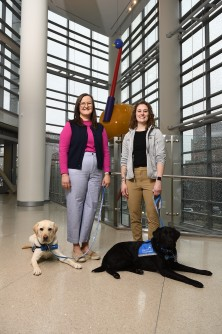
Newswise — What:Johns Hopkins Children’s Center is like a dog with two tails! The children’s hospital now has its first full-time facility dogs. The two dogs, Rosalina and Yoda, are part of the Child Life Department’s Paws for Healing Facility Dog Program funded by a $150,000 grant from the Dunkin’ Joy in Childhood Foundation. The pair are expertly trained canines who work directly with pediatric patients during their clinic or hospital care. The dogs were carefully matched by the professionals at Canine Companions, who have bred, raised and trained service and facility dogs since 1975.
Before arriving at the Children’s Center, Rosalina, now almost 2 years old, and Yoda, who recently turned 2, underwent almost two years of training to be able to interact with patients on specific, individualized goals. Their handlers, Carrie Potter, senior child life specialist, and Molly Trippe-Gallagher, child life specialist III, also received specialized training.
Dr. Dennis Liotta In my nearly 50 years as a chemist at Emory University, I’ve seen the life-changing impact that federally funded university research can have firsthand. I spent the 1980s and 1990s helping develop the first treatments for HIV, which turned the disease from a death sentence into a manageable illness. Today, drugs like these are estimated to save over a million lives each year.
That’s why I was so alarmed to hear Commerce Secretary Howard Lutnick state recently that U.S. taxpayers get “zero” return on their investment in university research — and that the government should start seizing licensing revenues on universities’ patents it helps fund to secure a better deal for the public.
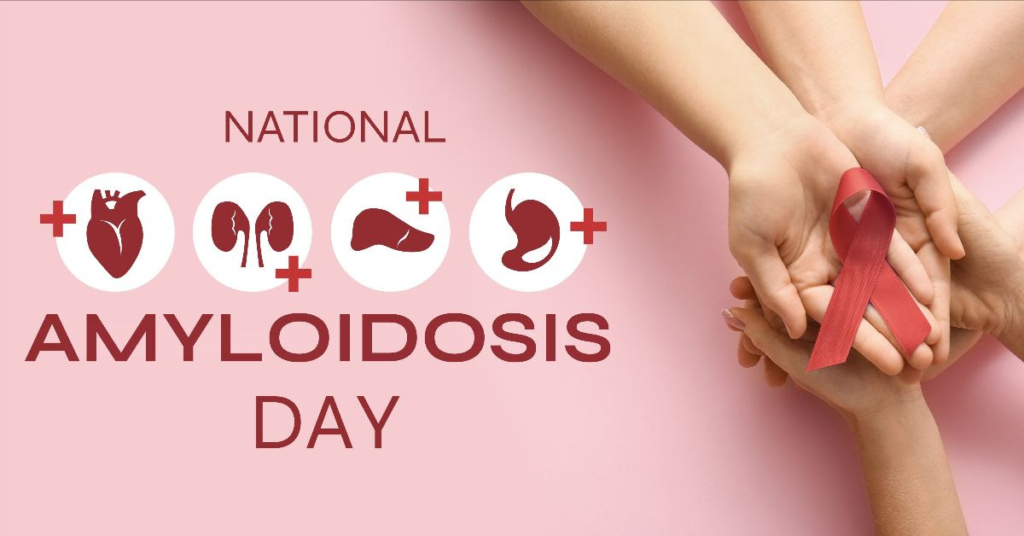
Hidden in Plain Sight: Understanding a Rare Heart Condition
Amyloidosis is a rare disease that occurs when abnormal proteins build up in the body’s organs and tissues. Because its symptoms can resemble more common health issues, the condition is often overlooked, making awareness and early detection especially important.
Community members are invited to attend “Hidden in Plain Sight,” an informative event focused on ATTR amyloidosis, a rare form of heart disease that can quietly develop while appearing as everyday symptoms. During the program, attendees will learn how this condition can affect the heart, why it is frequently misdiagnosed, and what warning signs to watch for. The event will take place on Wednesday, March11th, 10AM at the First Nazarene Baptist Church, 1500 S. 8th Street. To learn more, Click Here.
A new program just helped 50 participants shed more than 40 pounds each, get off nearly 100 prescriptions, and save roughly $83,000 in medication and care costs over one year. The program — focused on improving participants’ metabolic health — offered a clear glimpse of what’s possible when we address America’s health crisis at its root.
Today, one in three American adults suffers from metabolic syndrome — a condition marked by obesity, high blood sugar, high blood pressure, low cholesterol, and too many triglycerides in the blood. It underlies many chronic diseases, including type 2 diabetes, fatty liver disease, and cardiovascular disease, and it sharply increases the risk of heart attacks and strokes.
As colorectal cancer continues to rise—particularly among adults under 50—awareness and early action have never been more important. In recognition of National Colorectal Cancer Awareness Month this March, Jefferson Health–East colon and rectal surgeons Dr. Valerie Bauer and Dr. Thaer Obaid share ten essential facts every adult should know. From understanding risk factors and screening guidelines to recognizing subtle warning signs, these insights highlight how prevention and early detection can save lives. (Drs. Bauer and Obaid are available for press interviews.)
1. Colon cancer is highly preventable because it often develops slowly from precancerous polyps that can be removed during screening.
2. Early detection dramatically improves survival. When caught early, the five-year survival rate is about 90 percent. Screening saves lives.
3. Colon cancer starts with zero noticeable symptoms. Screening can detect precancerous changes or early-stage cancer before symptoms appear.
4. Conditions like rectal bleeding, blood in stool, persistent bowel changes, unexplained weight loss, and ongoing abdominal pain could be potential symptoms of existing colon cancer and should not be ignored.
5. While screening has reduced cases in older adults, rates are increasing in adults under 50.
6. Average-risk adults are recommended to begin screening at age 45.
7. Family history significantly increases risk. If a first-degree relative had colorectal cancer, screening may need to start earlier than age 45.
8. Lifestyle plays a major role. Risk increases with high red or processed meat intake, low fiber diet, physical inactivity, obesity, smoking, and heavy alcohol use.
9. Contrary to popular belief, a colonoscopy is a very common procedure done under sedation with very little to no discomfort. Colonoscopies can diagnose, treat, and prevent colon cancer, saving lives.
10. There are multiple screening options for colon cancer. Options include stool-based tests (such as FIT or stool DNA tests), colonoscopy, and CT colonography. The best test is the one that gets done.
The Board of Commissioners attended the ribbon cutting of Maryville Integrated Care’s new outpatient office, 526 S Burnt Mill Road in Voorhees Township.
“Maryville Integrated Care has been an incredible partner in our ongoing fight against the opioid epidemic,” said Commissioner Director Louis Cappelli Jr. “We are thrilled that this new facility is located in Camden County, ensuring that our residents will have enhanced access to lifesaving treatment.”
The Voorhees office offers Outpatient Treatment, Intensive Outpatient, and Medication-Assisted Treatment for adults and adolescents 11 – 17 seeking flexible, ongoing recovery support.
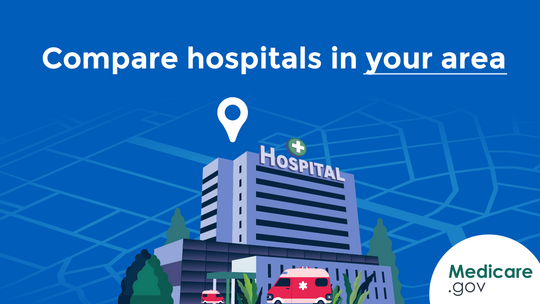
If you’re planning to have surgery, or if you know you may need future hospital care, visit Medicare.gov/care-compare to compare the quality of hospitals in your area.
Look at a hospital’s overall and patient star ratings. The overall rating is based on how well a hospital performs across different areas of quality, like safety of care or treating heart attacks. The patient star ratings measure patient experience with their hospital care.
Compare a hospital’s performance against national averages for patient experiences, timely and effective care, and complications.
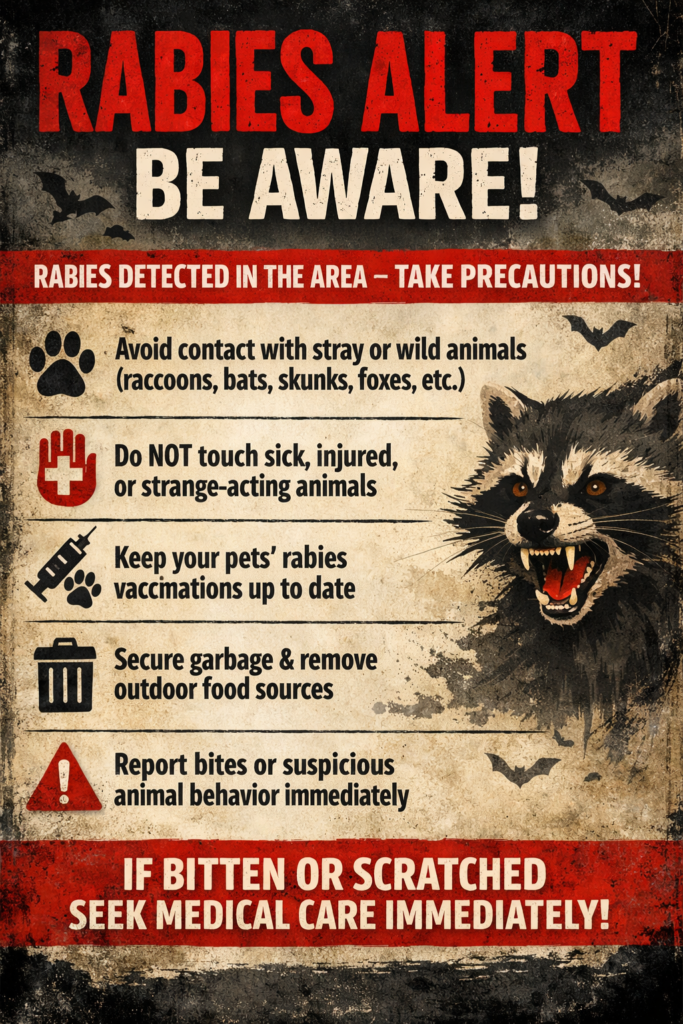
The Camden County Department of Health and Human Services has been notified by the New Jersey Department of Health that a skunk found in Cherry Hill has tested positive for rabies.
On February 20, two Cherry Hill residents found a skunk having an altercation with their two dogs in their backyard. The residents were able to trap the skunk safely and took it to a wildlife rescue center. The wildlife rescue center arranged for rabies testing at the state Public Health & Environmental Laboratories (PHEL) in Trenton. On February 26, the Camden County Department of Health and Human Services was notified by PHEL that the animal was rabid. There were two potential human exposures.
The wildlife rescue center and the dog owners were notified. The Camden County Department of Health and Human Services received proof of vaccination for both dogs. The dogs will be under confinement and observation for 4 months. The involved humans were recommended to speak to their physicians about receiving post-exposure prophylaxis (PEP).
U.S. seafood is sustainably produced, so it’s good for the planet. But did you know that it’s also good for your heart?
February is American Heart Month, a time when everyone is encouraged to adopt behaviors that promote cardiovascular health. One easy way to help your heart? Eat more seafood! Studies show that regular seafood consumption can help lower blood pressure and reduce the risk of heart disease and stroke.
The latest Dietary Guidelines for Americans recommend that everyone—from about 6 months and up—enjoy three or more servings of seafood per week. If you’re one of the many Americans who consume less seafood than recommended, we’ve got you covered! Read on for great ways to add some heart-healthy seafood to your diet. It’s both sustainable and delicious!
Swap Meat for Seafood
Shake things up the next time you’re craving an old favorite. Replacing processed or high-fat proteins with a lean protein like seafood is a great way to reduce your intake of saturated fat and sodium. Given the diversity of U.S. seafood, the possibilities are endless!