
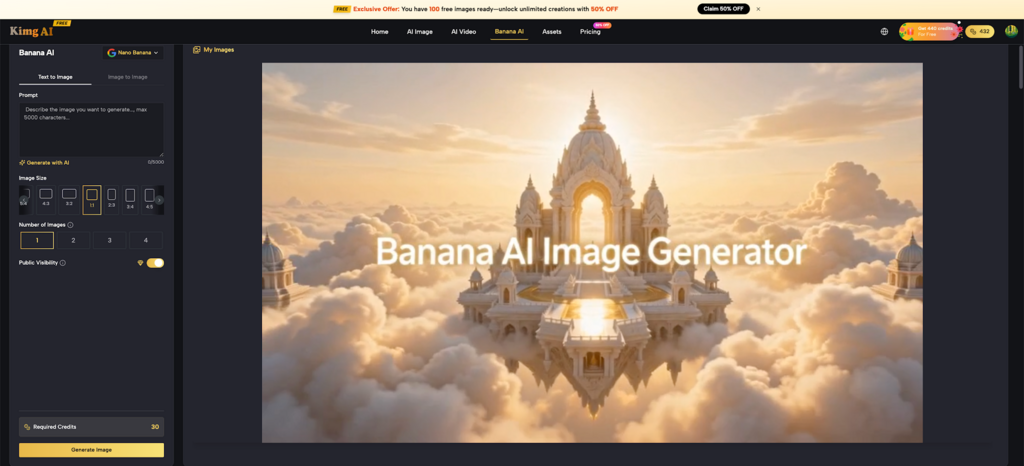
A compelling video cover serves as the primary hook for securing viewer attention. Without a clear and striking graphic, even high-quality video content struggles to gain traction. Through Kimg AI, creators have access to Banana AI, an advanced suite of tools designed to generate exact visual concepts without requiring traditional graphic design expertise. Producing customized covers involves understanding specific generation techniques, writing precise commands, and refining the output. This guide details practical methods for constructing professional, click-worthy thumbnails from scratch.
I. Why Custom YouTube Thumbnails Matter for Video Growth
1. They drive initial viewer attention Thumbnails operate as the front door to any video content. When users scroll through crowded feeds on their phones or desktop screens, a well-structured image creates a necessary visual interruption. Strong contrast, vibrant colors, and clear focal points ensure the graphic stands out against standard website backgrounds. A custom Banana AI Image provides that immediate visual impact, separating professional content from amateur uploads. Without this initial visual arrest, viewers simply scroll past, regardless of how thoroughly researched the actual video might be.
2. They establish visual brand identity Consistency across a channel builds viewer trust and long-term recognition. When a creator uses specific color palettes, recurring character faces, or distinct lighting styles in every upload, audiences immediately identify the source of the video. Generating consistent visual assets helps maintain this strict standard across dozens of videos. This level of uniformity ensures the entire channel looks cohesive and thoughtfully designed, which directly influences a viewer’s decision to subscribe.
3. They communicate video value instantly A graphic must tell a micro-story before the user even reads the title. Showing a dramatic reaction, holding a mysterious object, or displaying a clear before-and-after scenario instantly conveys the core premise of the video. Clear visual storytelling reduces cognitive friction, helping potential viewers decide to click within fractions of a second. The faster a thumbnail explains the core topic, the higher the likelihood of securing an organic click and retaining audience attention.
II. Exploring the Banana AI Model Capabilities
1. Nano Banana for foundational concepts The base model provides a highly stable environment for testing early visual ideas. When a creator needs to establish a simple background, a basic texture, or a straightforward subject without complex overlapping elements, this model delivers reliable results. It serves as an excellent starting point for rough drafts before committing to heavier rendering tasks. This ensures time is spent efficiently during the early planning stages.
2. Nano Banana 2 for efficient iterations Speed becomes crucial when testing multiple visual directions. This upgraded version processes requests significantly faster, allowing users to generate dozens of layout variations in a short timeframe. It is highly effective for creators who need to quickly compare different camera angles, subject poses, or background settings. Faster processing means finding the perfect visual hook without waiting extensively between generations.
3. Nano Banana Pro for complex compositions The most advanced tier handles intricate spatial relationships and highly specific text accuracy. When a thumbnail demands extreme photorealism, precise interactions between multiple subjects, or flawless edge retention, the Pro version is required. It interprets highly detailed prompts with exceptional accuracy. This makes it the primary choice for finalized, professional-grade thumbnail assets that need to look flawless.
III. Planning the Thumbnail Generation Process
1. Defining the core visual subject Every successful thumbnail requires one dominant focal point. Crowding the frame with too many subjects confuses the eye and reduces readability on smaller screens. Deciding whether the main focus will be a human face, a specific product, or a bold typographic element dictates how the entire prompt should be structured. A single, strong subject always outperforms a cluttered composition.
2. Preparing reference materials The system permits the upload of up to 8 reference images for a single generation. Supplying exact brand assets, specific character faces, or stylistic mood boards significantly improves the accuracy of the output. Using these reference slots intentionally ensures the generated result aligns strictly with existing channel aesthetics. This prevents the tool from relying on generalized approximations that ignore brand guidelines.
3. Structuring the aspect ratio Thumbnails require a strict 16:9 dimension to fit video players perfectly. Setting this parameter immediately prevents awkward post-generation cropping that often ruins carefully planned compositions. Dictating the correct geometry upfront ensures the model calculates the internal framing accurately from the very first step. Proper initial sizing keeps subjects perfectly centered and preserves important background details.
IV. Executing Prompts for a Banana AI Image Generator
1. Writing highly descriptive physical attributes Vague instructions always yield unpredictable and often unusable results. Instead of asking for a cool background, specify exact physical traits such as an exposed brick wall illuminated by neon blue and magenta lights. Describing precise textures, clothing materials, specific camera lenses, and spatial arrangements forces the Banana AI Image Generator to construct a scene that matches exact expectations. Adding details like shallow depth of field elevates the image into a cinematic composition.
2. Controlling lighting and contrast Lighting directly influences the emotional tone and professionalism of the graphic. Commands like cinematic rim lighting, harsh overhead spotlight, or soft morning sun drastically change how the main subject is perceived. Demanding high contrast separation between the foreground subject and the background elements ensures the image remains highly legible. Proper shadow placement creates three-dimensional depth, preventing the final thumbnail from looking flat.
3. Guiding facial expressions and emotions Emotion drives clicks more effectively than almost any other design element. Specifying exaggerated facial reactions—such as a wide-eyed shocked expression looking directly at the camera—creates an immediate psychological hook. The text prompt must explicitly detail these micro-expressions so the rendered face successfully communicates urgency or excitement. Direct eye contact within the image specifically helps build a strong connection with the browsing audience.
V. Refining Assets with the Banana AI Image Editor
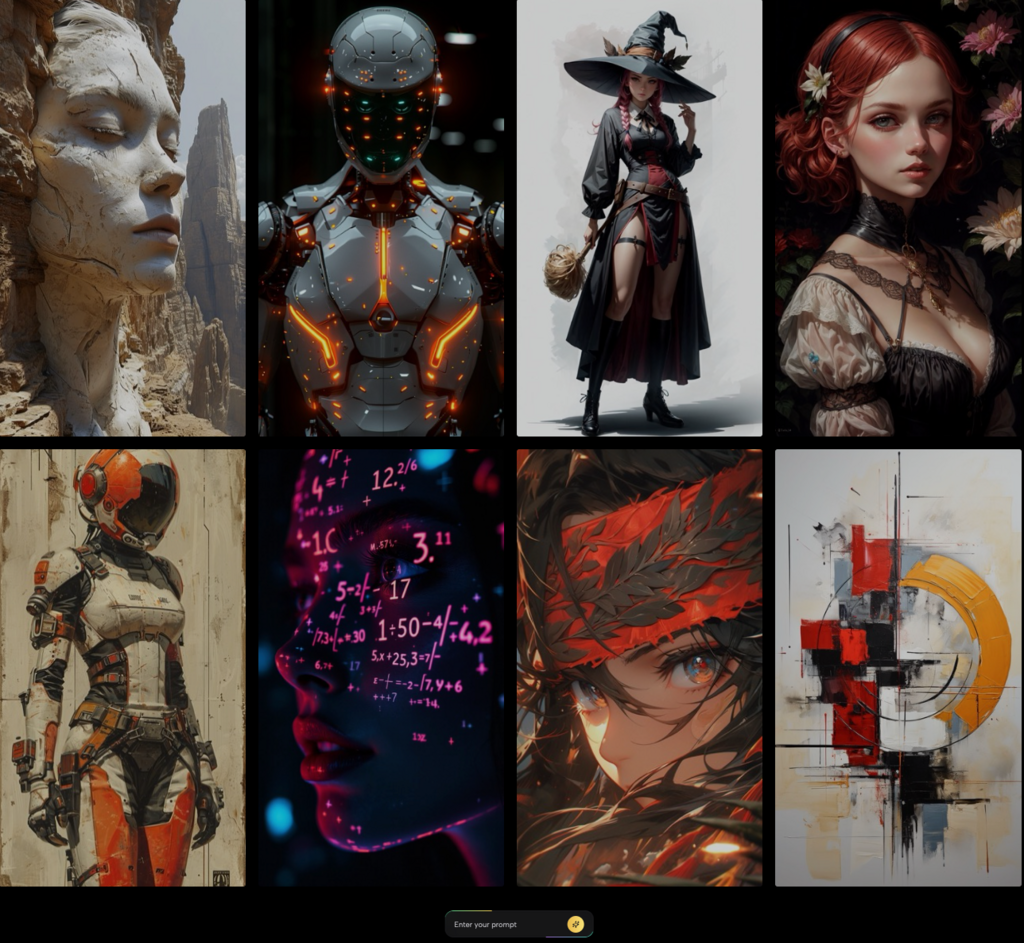
1. Correcting specific visual flaws First drafts rarely achieve absolute perfection straight out of the prompt box. If the overall composition is excellent but a minor detail like a hand gesture or a background object is flawed, targeted adjustments are necessary. The Banana AI Image Editor allows users to isolate and regenerate very specific zones within the canvas. This functionality preserves the highly successful elements of the original image while repairing only the problematic areas.
2. Adjusting negative space for typography Thumbnails frequently require bold overlaid text added during the post-production phase. If the generated scene is too visually cluttered, the editor can be used to simplify, blur, or darken specific sections of the image. This creates a clean, dedicated canvas for text placement. Establishing clear negative space on either the left or right side ensures that any added titles remain completely readable without clashing with the primary subject.
3. Enhancing overall edge sharpness Professional graphics demand crisp details to compete with top-tier channels. The workspace supports rendering and exporting final assets at a maximum of 4K quality. Upscaling the finished composition to this exact resolution guarantees that hair textures, fabric details, and object edges remain perfectly sharp. This high-resolution output prevents any unwanted pixelation when the graphic is eventually compressed by the video hosting service.
VI. Best Practices for High Click-Through Rates
1. Using the Banana AI Image Maker effectively Streamlining the workflow ensures consistent quality across all video uploads. By fully utilizing the Banana AI Image Maker, creators can save their most successful prompt structures and reference combinations for future use. Building a library of proven settings speeds up the production pipeline. This methodical approach allows for the rapid deployment of new thumbnails that match past successes seamlessly.
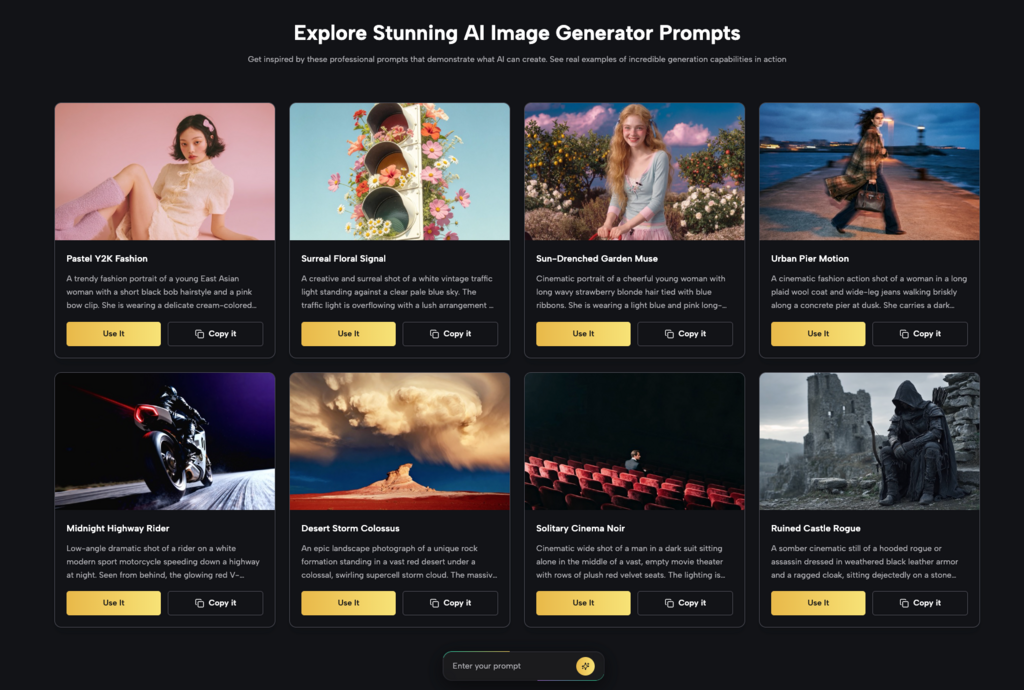
2. Maintaining consistent color palettes Color theory plays a massive role in viewer psychology and channel recognition. Sticking to a predefined set of two or three dominant colors makes a thumbnail visually digestible instantly. Prompting the system to prioritize specific hues helps build a cohesive visual identity over time. Strong, consistent color choices help the graphic stand out against the generally cluttered interfaces of video browsing pages.
3. Testing multiple layout variations Relying on a single generation often leaves better layout options undiscovered. Generating three distinct variations of the same concept—such as one close-up, one wide shot, and one action shot—provides multiple choices for final review. Comparing different layouts ensures the final selected graphic possesses the strongest possible visual hierarchy. Testing these variations guarantees the best possible version is chosen before the video goes live.
VII. Conclusion
Designing an effective video cover requires a careful balance of visual psychology, precise instructions, and iterative refinement. By understanding the distinct strengths of different model versions, managing reference materials strategically, and utilizing targeted editing features, creators can consistently produce high-quality graphics. Maintaining a structured approach to prompt writing and layout planning ensures every generated image serves its primary purpose: capturing viewer attention instantly and driving meaningful video engagement.
 -
- -
- -
- -
- -
-