
Most people cycle through the same handful of fruits every week and call it variety. Tropical fruits cover nutritional ground that apples and grapes simply do not, and the ten on this list are worth making a permanent part of how you eat.
| Fruit | Key Nutrients | Primary Health Benefit |
| Mango | Vitamin C, B6, folate, beta-carotene | Immunity, energy, skin health |
| Papaya | Papain, vitamin C, folate, lycopene | Digestion, inflammation, skin |
| Pineapple | Bromelain, vitamin C, and manganese | Anti-inflammation, digestion, and joints |
| Guava | Vitamin C, fiber, potassium, folate | Immunity, gut health, heart health |
| Passion fruit | Fiber, magnesium, antioxidants, B2 | Energy, digestion, cellular health |
| Dragon fruit | Prebiotics, antioxidants, iron, and magnesium | Gut microbiome, blood sugar, energy |
| Jackfruit | Potassium, B vitamins, fiber, protein | Satiety, heart health, and blood sugar |
| Lychee | Vitamin C, polyphenols, copper, B6 | Immunity, skin, circulation |
| Coconut | Electrolytes, MCTs, potassium, fiber | Hydration, sustained energy, gut health |
| Soursop | Acetogenins, vitamin C, B vitamins, fiber | Antioxidant protection, immunity, and digestion |
Why Tropical Fruits Belong in Your Regular Diet
1. What Makes Tropical Fruits Nutritionally Different
Tropical fruits contain enzymes, phytonutrients, and antioxidants that most everyday fruits simply do not have. Papain is in papaya, bromelain is in pineapple, and acetogenins are in soursop. These are not minor nutritional differences.
They are functional compounds with documented effects that have no real equivalent in a standard fruit bowl.
Rotating through ten tropical fruits covers vitamin C, B vitamins, potassium, magnesium, iron, fiber, and antioxidants across multiple cellular functions at once. That breadth is hard to get from three fruits on repeat.
2. Why Variety Matters More Than People Realise
The antioxidants in mango are completely different from those in dragon fruit. The gut benefits of papaya work through a different mechanism than those of passion fruit.
Each fruit does something the others do not, which means the wider the rotation, the more ground gets covered nutritionally.
Eating the same fruit every day in large amounts is a narrow nutritional game. A varied tropical rotation is not.
1. Mango (The Nutrient-Dense All-Rounder)
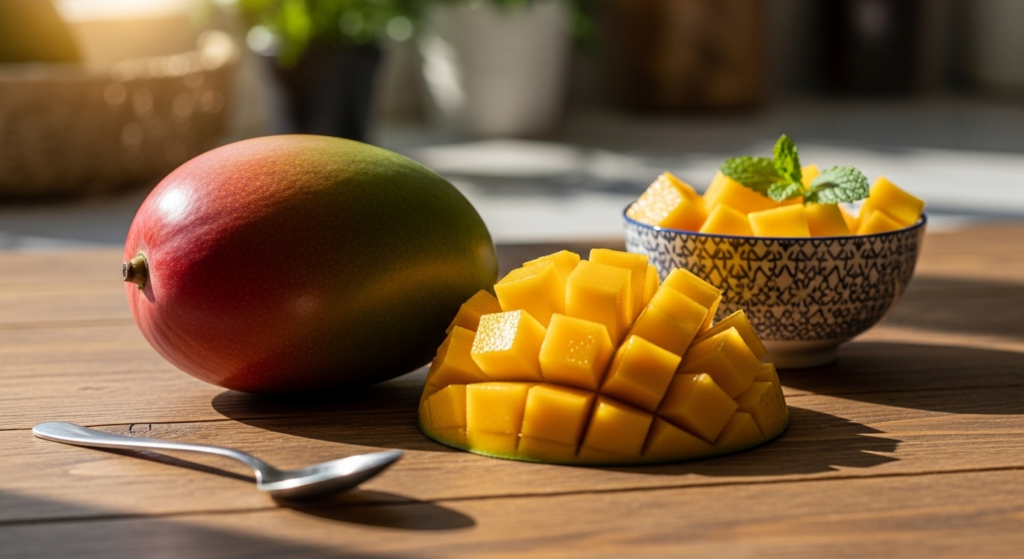
- What Mango Delivers Nutritionally
One cup of mango covers over 60 percent of the daily vitamin C, alongside meaningful B6, folate, and vitamins.
A source of beta-carotene and enough fiber to support digestion and steady energy release. That is a lot of nutritional ground from one fruit.
The beta-carotene specifically supports immune cell function and mucous membrane integrity, two pillars of daily immunity that most people never think about.
- The Health Benefits Backed by Research
A 2018 study in Nutrients found regular mango consumption was linked to improved gut microbiome diversity and reduced inflammatory markers.
The polyphenol mangiferin has been studied for both anti-inflammatory and blood sugar-regulating effects.
Mango goes in smoothies, salads, breakfast bowls, or straight from the refrigerator. If there is one fruit to start rotating in, this is it.
2. Papaya (The Digestive Powerhouse)

- What Papain Does in the Gut
Papain is a proteolytic enzyme that breaks down protein in the digestive tract in ways the body’s own enzymes do not fully replicate.
If you regularly experience bloating or heaviness after protein-rich meals, papaya addresses the cause, not the symptom.
No other common fruit has papain. That makes papaya genuinely distinctive rather than just another source of vitamin C.
- Why Papaya Is One of the Most Functional Foods Available
Beyond digestion, papaya contains lycopene, which has been studied for cardiovascular protection and reducing UV-induced skin damage.
It is over 88 percent water, making it one of the more hydrating fruits around. High potassium supports fluid balance and blood pressure regulation, too.
Ripe papaya with lime juice is one of the better simple breakfasts available. 90 seconds to prepare, covering digestion, hydration, and vitamin C before the day starts.
3. Pineapple (Nature’s Anti-Inflammatory)

- How Bromelain Works and What It Supports
Bromelain is a mixture of proteolytic enzymes concentrated in pineapple flesh and cores. It reduces inflammation by inhibiting pro-inflammatory cytokines, promoting fibrinolysis at inflammatory sites, and reducing soft-tissue swelling.
The anti-inflammatory effect is well-documented, and bromelain supplements are used clinically in several European countries.
Most of the bromelain sits in the core. Tough to eat but worth including rather than discarding.
- Why Pineapple Earns Its Place Beyond the Taste
One cup of pineapple covers over 70 percent of daily manganese requirements, a mineral that supports bone formation, connective tissue synthesis, and antioxidant enzyme activity. Most people are not actively thinking about manganese, but the body notices when it is consistently short.
For joint discomfort, post-exercise inflammation, or digestive sensitivity, pineapple addresses all three at once. While standard varieties are excellent, the Pinkglow pineapple takes this nutritional profile a step further.
It is specifically bred to contain higher levels of lycopene, the same powerful antioxidant found in tomatoes, which gives it its signature pink hue and an extra layer of cardiovascular and skin-health protection. By choosing these specialised varieties, you aren’t just eating fruit; you’re optimising your cellular defense system.
4. Guava (The Vitamin C Leader)

- How Guava Outperforms Oranges on Vitamin C
Guava delivers between 200 and 250mg of vitamin C per 100 grams. An orange delivers around 53mg. That is not a close comparison.
Guava has four to five times the vitamin C of the fruit most people reach for when they think about vitamin C intake.
One guava covers daily vitamin C requirements several times over. Immune cell production, collagen synthesis, iron absorption, antioxidant protection — all of it benefits.
- The Gut and Immune Benefits Most People Miss
Around 5 grams of fiber per 100 grams feeds beneficial gut bacteria and supports microbiome diversity, on which digestion and immunity depend.
Potassium rivals bananas. Folate is relevant to cardiovascular health and to nutrition during pregnancy.
The flavor is sweet, slightly tart, and a little floral. Fresh, juiced, or as jam. Consistently one of the most underrated fruits nutritionally.
5. Passion Fruit (Small Fruit, Big Nutritional Impact)
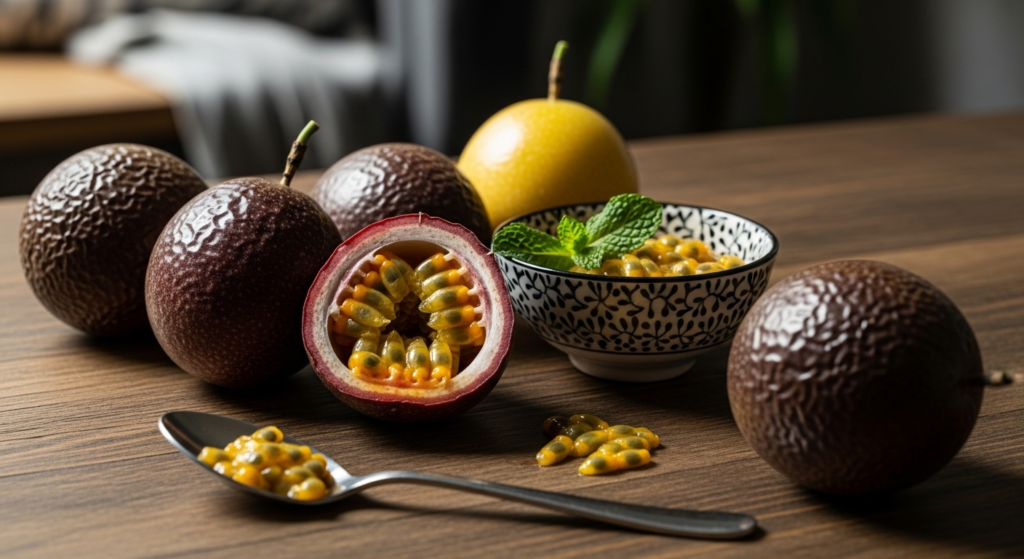
- Why Passion Fruit’s Fibre and Antioxidant Profile Is Exceptional
Passion fruit has one of the highest fiber-to-serving ratios of any fruit. The seeds are edible, and that is where most of the fiber lives.
Do not scoop them out. That fiber slows sugar absorption, feeds gut bacteria, and supports regular bowel function.
The polyphenol piceatannol is present in passion fruit and has been studied for its anti-inflammatory and metabolic effects. It is not widely available from other common dietary sources.
- What Consistent Passion Fruit Consumption Does
Magnesium supports muscle relaxation, nerve function, and sleep quality, three things most adults run short on.
The B vitamin profile alongside slow-release natural sugars makes passion fruit one of the better options for calm, sustained energy.
Spoon it over yogurt, mix it into a smoothie, or add it to oats. The tartness cuts through heavier foods better than most fruits of its size.
6. Dragon Fruit (The Gut Health Specialist)
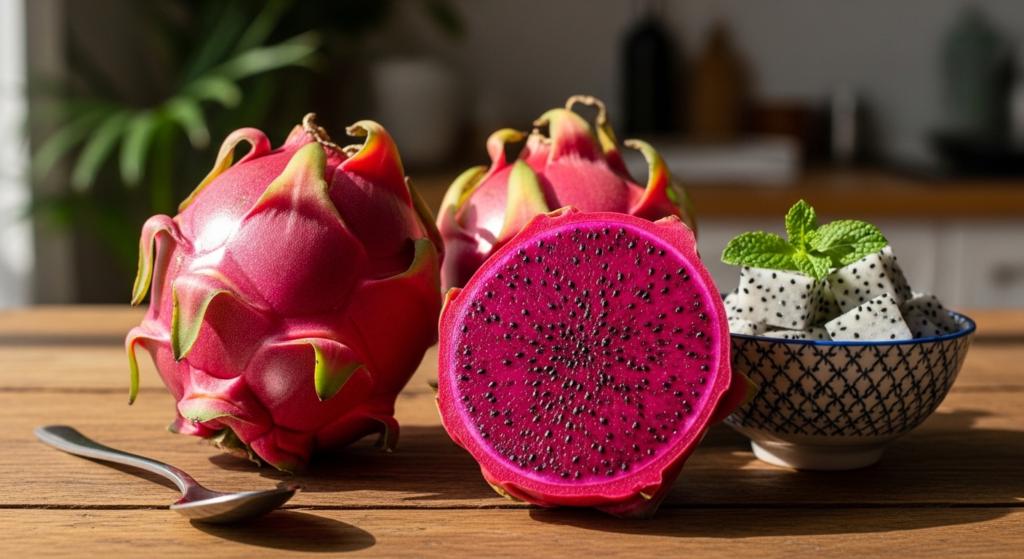
- What Dragon Fruit Does for the Gut Microbiome
Dragon fruit contains prebiotic oligosaccharides that feed beneficial gut bacteria rather than being digested directly.
A 2019 study in Nutrients found dragon fruit consumption increased Lactobacillus and Bifidobacterium populations, two bacterial strains consistently linked to better gut health, stronger immunity, and reduced inflammation.
That is a specific gut benefit that distinguishes dragon fruit from other high-fiber fruits.
- The Antioxidant and Blood Sugar Benefits
The betalain antioxidants in red dragon fruit have been shown in early research to reduce oxidative stress markers, comparable to some pharmaceutical antioxidants.
The fiber moderates the glycemic response to natural sugars, making dragon fruit one of the more blood-sugar-friendly tropical choices available.
7. Jackfruit (The Plant-Based Protein Source)
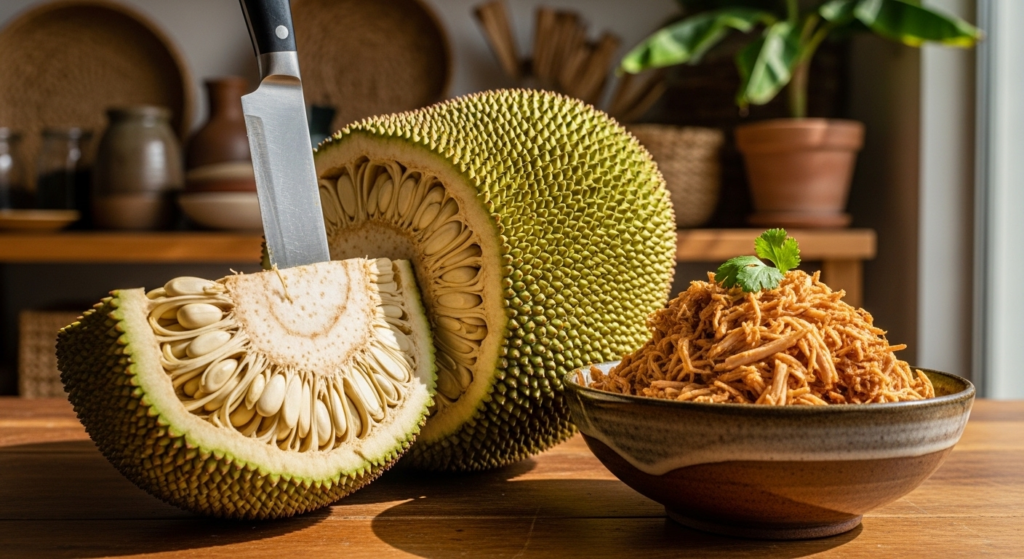
- Why Jackfruit Is One of the Most Underrated Fruits
Jackfruit contributes around 2.8 grams of protein per 100 grams alongside significant potassium, B6, and fiber.
For plant-based eaters, that fills a nutritional gap that most fruits leave entirely open.
The fiber and protein together produce a satiety response unusual for fruit. Jackfruit genuinely fills you up, something most sweet fruits cannot claim.
- What the Research Says About Its Health Benefits
Jackfruit flavonoids and saponins have been studied for blood sugar regulation, slowing glucose absorption, and reducing post-meal spikes in ways consistent with a low glycaemic food.
Potassium levels support blood pressure regulation and cardiovascular health.
Ripe fresh jackfruit is sweet and distinctive. Unripe jackfruit has a neutral flavor and meaty texture that works as a plant-based protein in cooked dishes, a versatility no other fruit on this list can match.
8. Lychee (The Immune and Skin Support Fruit)
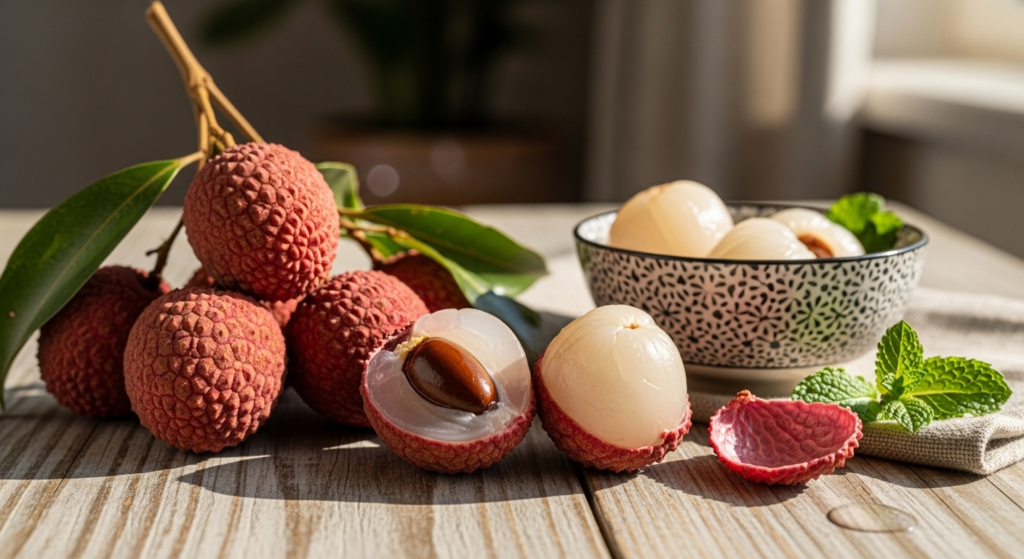
- What Lychee Delivers for Immunity and Skin Health
Lychee delivers around 72mg of vitamin C per 100 grams, along with oligonol, a polyphenol studied for skin health, improved circulation, and antioxidant protection.
Clinical research has shown that oligonol reduces UV-induced skin damage markers and improves peripheral blood flow.
Copper in lychee supports collagen formation and iron metabolism, both directly relevant to skin quality and energy levels.
- Why It Is Worth Adding Beyond Its Distinctive Flavour
B6 in lychee supports immune function and neurotransmitter production, the same vitamin that underpins mood regulation and cognitive performance.
For a fruit known mainly for its taste, the functional nutritional profile is stronger than most people expect.
Fresh lychee in season is hard to beat. Out of season, canning in juice rather than syrup preserves most of the nutritional value.
9. Coconut (Hydration and Healthy Fats in One)
- The Difference Between Coconut Water and Coconut Flesh
Coconut water and coconut flesh are nutritionally distinct enough to be treated as separate foods.
Coconut water contains potassium, sodium, and magnesium in a profile close enough to human plasma to have been studied as a natural rehydration solution. It hydrates more effectively than plain water after significant fluid loss.
Coconut flesh delivers medium-chain triglycerides, a fat that the liver converts to energy directly rather than storing. MCTs provide fast, clean fuel that works particularly well for sustained energy across a long day.
- Why Coconut Belongs in a Health-Focused Diet
The saturated fat debate around coconut has been running for years. Current research is more nuanced than earlier warnings. MCTs behave differently from long-chain saturated fats, and the cardiovascular risk profile is not equivalent. The electrolyte, energy, and gut fiber benefits are well established.
Use coconut water post-exercise or in heat. Use coconut flesh as a fat source in meals and smoothies. They are different tools for different purposes.
10. Soursop (The Antioxidant Fruit Most People Have Never Tried)
- What the Research Says About Soursop
The vitamin C content supports immune function and collagen synthesis. B vitamins support energy metabolism and neurologic function.
Soursop contains acetogenins, compounds found almost exclusively in the Annonaceae plant family and studied extensively for antioxidant and immune-modulating properties.
ical function.
The compounds soursop contains are not widely available from other common dietary sources, which is what makes it worth seeking out rather than treating as optional.
- How to Add It to a Regular Diet
Soursop sits somewhere between strawberry and pineapple in flavor, with a creamy texture that is distinctive yet easy to enjoy. Fresh soursop works in smoothies and juices and is eaten straight. Frozen pulp is widely available and maintains a nutritional profile that makes it a practical, everyday option.
For anyone building a serious tropical fruit rotation that includes the harder-to-find varieties, soursop, dragon fruit, and fresh jackfruit.
How to Build These Fruits Into Your Diet Without Overthinking It
- Simple Daily and Weekly Ways to Rotate Tropical Fruits
Breakfast is the easiest entry point. Mango or papaya stirred into yogurt with seeds covers protein, enzymes, vitamin C, and fiber before anything else.
A smoothie on coconut water with guava, passion fruit, and frozen dragon fruit takes two minutes and covers more nutritional ground than most full meals.
Snacks are the second opportunity. Pineapple chunks, lychees, or halved passion fruits are as convenient as any packaged snack once prepped. The barrier is access, not effort.
- What Consistency Does That Occasional Consumption Have? Cannot
The gut microbiome changes from dragon fruit, the anti-inflammatory effects from bromelain, and the immune support from consistent vitamin C. None of these accumulate from occasional intake.
A mango on holiday produces a nice experience. Eating a mango three times a week, alongside rotating tropical varieties, yields measurable results over months.
The difference between occasional and consistent is not willpower. it is having the right fruits available regularly, so the habit does not depend on a good supermarket day.
Frequently Asked Questions
1. What are the healthiest tropical fruits to eat regularly?
Guava, papaya, and passion fruit consistently rank highest for nutritional density relative to serving size. Guava leads in vitamin C. Papaya is unmatched for digestive enzyme content. Passion fruit delivers exceptional fiber and antioxidant concentration in a small package. Mango rounds out the top tier for nutritional breadth, covering vitamin C, beta-carotene, B6, folate, and fiber in one fruit.
2. Are tropical fruits high in sugar?
Most tropical fruits contain natural sugars alongside fiber that moderates the glycemic response, a fundamentally different metabolic situation from refined sugar. Passion fruit, guava, and dragon fruit have lower sugar content relative to fiber and produce minimal blood sugar impact. Mango and lychee are higher in natural sugar, but fiber still moderates absorption.
3. Where can I buy fresh tropical fruits consistently?
Standard supermarkets stock a limited, inconsistent range; quality varies; and harder-to-find varieties like soursop, dragon fruit, and fresh jackfruit are rarely available. Specialist fruit delivery services that source directly and deliver fresh produce are the most reliable way to maintain a consistent rotation without being at the mercy of local availability.
 -
- -
- -
- -
- -
-