
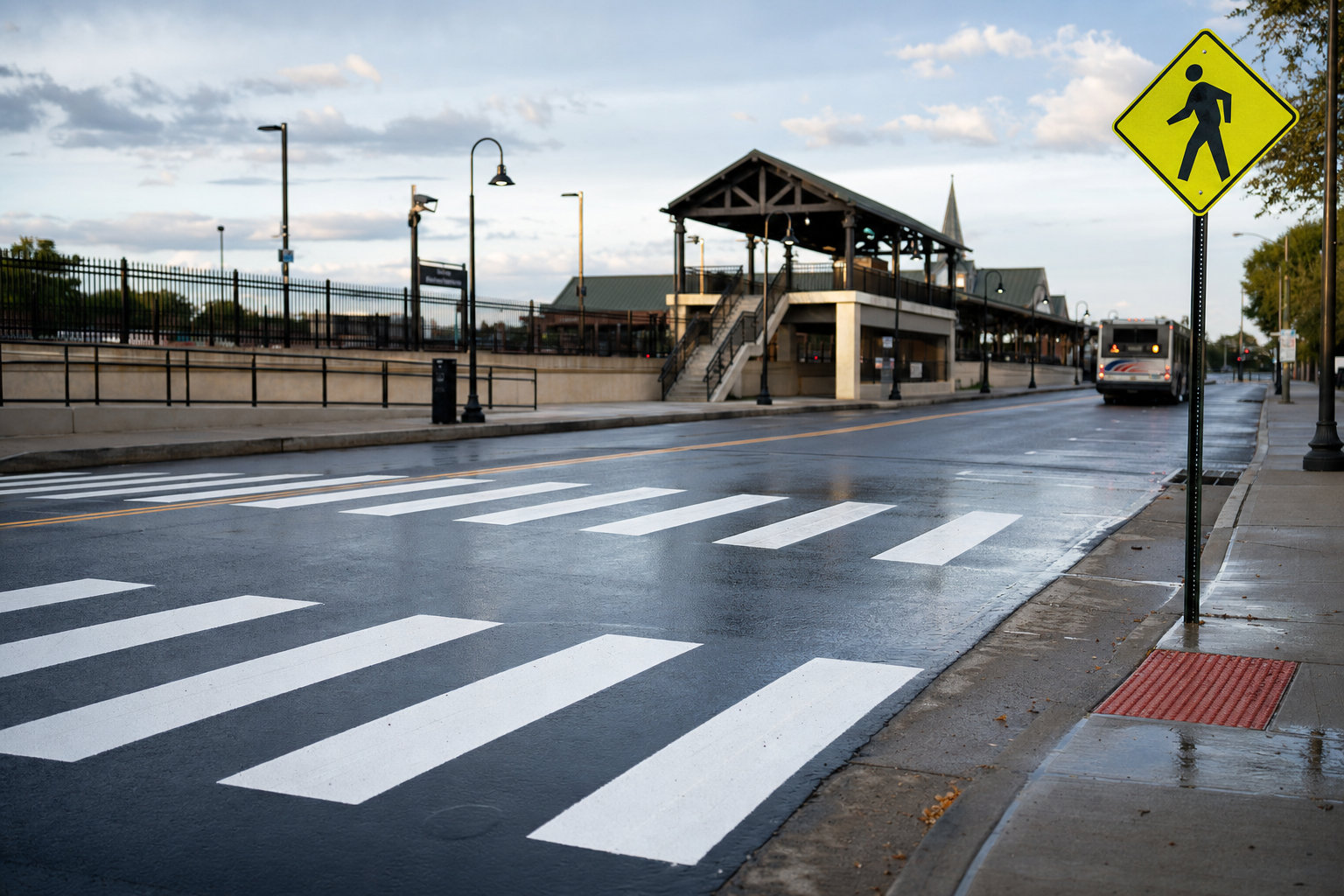
New Jersey transit towns face a pressing challenge, balancing the benefits of walkable communities with the risks brought by increasing heavy traffic. These pressures shape NJ pedestrian safety as streets evolve to serve both foot traffic and vehicles. Urban development across the state has focused on promoting pedestrian-friendly environments, yet ongoing concerns about traffic volumes and roadway design highlight persistent safety issues. Addressing these concerns is crucial for creating safer streets and sustainable transit-oriented growth, especially when Pedestrian injuries New Jersey continue to affect residents and visitors.
Throughout New Jersey, walkable communities have become a cornerstone of urban planning, especially near major transit hubs. However, as more people choose walking as part of daily commutes or routine errands, conflict with heavy vehicle traffic has become a significant factor affecting pedestrian safety. Middlesex County Personal Injury Lawyers frequently address incidents where poor street design and unchecked traffic patterns contribute to pedestrian injuries. In many cases, a Pedestrian accident lawyer NJ can help document how roadway conditions contributed to harm. Improving safety in these settings requires a focus on both infrastructure improvements and policies tailored to the realities of high-traffic areas.
The benefits and challenges of walkable communities
Walkable communities in NJ transit towns offer substantial advantages, including reduced reliance on cars, enhanced public health, and more vibrant local economies. These benefits are central to NJ pedestrian safety goals near stations and main streets. These areas encourage residents to use sidewalks, crosswalks, and local transit stations, fostering a more sustainable urban landscape. Municipal leaders often promote walkability as a means of attracting residents and supporting small businesses along transit corridors.
Despite these benefits, increased pedestrian activity creates new vulnerabilities. Heavy vehicle traffic, fueled by commuters, delivery vehicles, and rideshare services, frequently moves through areas designed primarily for foot traffic. This can result in unsafe crosswalks, limited visibility, and insufficient traffic calming measures, elevating the risk of collisions between vehicles and pedestrians in high-density transit zones. When a crash happens, a New Jersey Personal Injury Lawyer may evaluate compliance with local ordinances and state traffic rules.
Heavy traffic and its impact on pedestrian safety
Heavy traffic in transit towns intensifies hazards for pedestrians, especially in neighborhoods where streets are shared by cars, buses, and people on foot. In areas prone to Middlesex County traffic accidents, congestion can quickly increase exposure at crosswalks and curb cuts. High volumes of vehicles near transit stations can lead to congestion, making certain intersections or corridors unsafe for those walking or cycling. The increased presence of delivery trucks and rideshare drivers introduces additional variables, sometimes resulting in unpredictable driving behavior or double parking that obstructs sightlines.
In these scenarios, insufficient infrastructure such as missing crosswalks, outdated traffic signals, or lack of pedestrian refuge islands can leave individuals exposed to danger. Residents often ask, Who is liable in a crosswalk accident? when markings are faded or signal timing is inadequate. The frequency of crashes and near-miss incidents highlights the urgent need for targeted interventions. Community advocates and municipal officials are often called upon to identify hotspots and pursue initiatives that protect vulnerable road users in busy transit corridors, especially where Pedestrian injuries New Jersey are recurring.
Strategies for improving pedestrian safety in transit towns
To address the intersection of walkable communities and heavy traffic, NJ municipalities have adopted a range of safety improvements. These steps can reduce Middlesex County traffic accidents by making crossing points clearer and slowing vehicles near station areas. These include redesigning intersections, implementing speed reduction measures, and prioritizing pedestrian-only phases at traffic lights. Efforts to expand dedicated crosswalks and improve street lighting can directly impact the safety of those navigating transit station areas on foot.
Public education and enforcement campaigns also play pivotal roles in these efforts. Guidance on What to do after a pedestrian accident in New Jersey can help injured people preserve evidence and seek prompt medical care. Programs that raise awareness about pedestrian right-of-way laws and discourage distracted driving contribute to safer streets. Legal professionals, such as Varcadipane & Pinnisi New Jersey Personal Injury Lawyers, are often involved in cases that highlight the importance of proactive safety policies. A personal injury lawyer middlesex county can also advise families on deadlines and documentation following a collision. Ultimately, the sustained commitment to infrastructure upgrades and law enforcement can help transit towns achieve the goals of walkability without compromising pedestrian safety.
After a crash, What to do after a pedestrian accident in New Jersey often includes reporting the incident, gathering witness details, and requesting relevant camera footage. Because questions like Who is liable in a crosswalk accident? can depend on driver actions, signal status, or municipal maintenance, timely investigation matters. For many victims, a Pedestrian accident lawyer NJ can coordinate medical records and crash reconstruction to clarify fault. A New Jersey Personal Injury Lawyer may also assess how insurance coverage applies when multiple parties share responsibility. When representation is needed locally, a personal injury lawyer middlesex county may focus on the conditions that contribute to harm in transit corridors. Some injured pedestrians may seek help from the Varcadipane & Pinnisi law firm when pursuing accountability and compensation.
The Varcadipane & Pinnisi law firm may review whether design changes could have prevented the incident and whether policies were properly enforced. Preventing future Middlesex County traffic accidents also depends on continued investment in crosswalk visibility and signal timing. Ongoing education can strengthen NJ pedestrian safety by reinforcing safe speeds and attentive driving near transit hubs. By understanding Pedestrian injuries New Jersey patterns and encouraging safer street design, communities can better protect people who walk daily.