
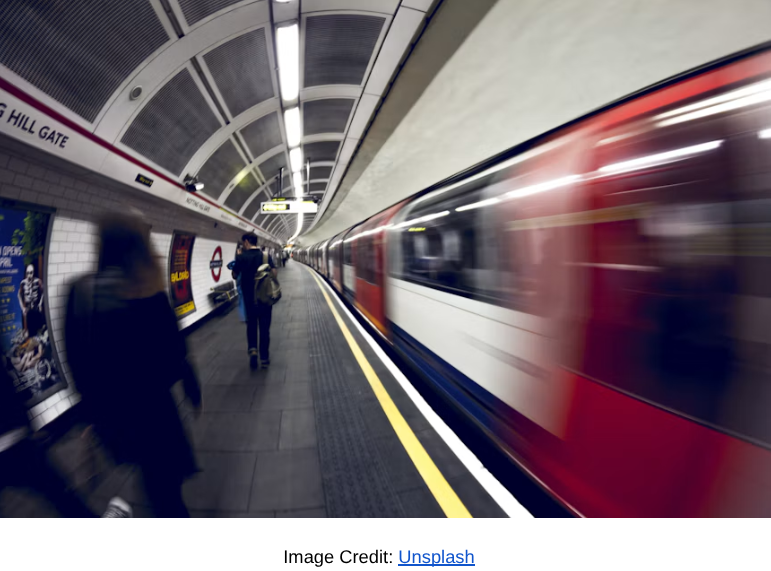
Major train stations are becoming far more than places to board a train. Cities now treat them as anchors for new housing, public spaces, local services, and connections between different forms of transportation. That shift can shorten everyday trips, support local businesses, and make car-free travel practical for more people. It also highlights the role of small businesses in creating vibrant station districts, where independent shops, restaurants, and service providers contribute to the local economy.
The most effective projects look beyond the station building. They consider how travelers reach the platforms, what they need during a transfer, and how nearby streets function throughout the day. As rail networks expand, these details will shape how well stations serve both visitors and local residents while creating opportunities for businesses in surrounding communities.
High-Speed Rail Drives Urban Redesign
High-speed rail can change the economic geography of a city. A station with faster intercity services brings more people within a practical commuting or business travel distance, which makes nearby land more attractive for offices, homes and public amenities. Research into connected rail communities also points to wider benefits such as job access, regional investment and stronger links between city centers.
Those gains require coordinated planning. If a station is surrounded by wide roads, isolated parking areas or difficult crossings, passengers may struggle to reach nearby neighborhoods. Cities can improve the connection by widening sidewalks, adding protected cycling routes and placing bus or tram stops close to station entrances. Clear signs should show walking times to major destinations, not simply street names.
Development around a station also needs a sensible mix of uses. Housing brings activity outside office hours, while shops, clinics and community facilities give residents a reason to visit without taking a long trip across town. Public plazas can host markets or events, provided their design still leaves direct paths for passengers carrying bags.
Residents evaluating a rail-led development proposal should look for specific commitments. These include step-free routes, safe crossings, shade, seating, and affordable commercial space. A glossy station design may attract attention, but the surrounding street network determines whether the project becomes part of the city or remains an isolated transport complex.
The Push for Lighter Foot Traffic
Stations work best when people can move through them without unnecessary obstacles. That means reducing bottlenecks at ticket barriers, providing enough space around information screens, and keeping primary walking routes free from retail displays. Even a small obstruction can create delays when hundreds of passengers leave several platforms at once.
Changing travel habits are adding urgency to this work. Coverage of Gen Z mobility habits describes growing interest in public transit and shared transportation among younger adults. Stations must support passengers who combine rail with walking, cycling, buses, or app-based services during a single trip.
Operators can manage foot traffic through simple, visible design. Floor markings can separate arriving passengers from those heading toward platforms. Real-time displays positioned before major junctions give people time to choose a route without stopping in the middle of a corridor. Escalators, elevators, and stairs should lead toward the same general destination so passengers do not have to double back.
Travelers can also reduce pressure at busy hubs. Check the platform only when it appears on an official display, stand away from the board while reading it, and have tickets ready before reaching a barrier. If you’re meeting someone, choose a named entrance or a nearby public landmark instead of waiting beside the main gate.
For local authorities, pedestrian counts offer useful evidence. Measurements taken during weekday peaks, weekend events, and service disruptions reveal where permanent changes are needed. A corridor that feels adequate at noon may become unsafe after two full trains arrive within minutes.
Central Stations as Modern Service Hubs
A central station often functions like a small district. Alongside transportation, passengers may need food, restrooms, device charging, accessible waiting areas, parcel collection, and clear local information. Providing these services in one place helps travelers use transfer time productively and gives nearby residents useful amenities.
The strongest service hubs organize facilities according to how people actually move. Quick purchases belong near main routes, while restaurants and longer-stay seating work better away from crowded corridors. Help points should be visible from entrances and staffed during the periods when unfamiliar travelers are most likely to arrive. Power outlets need regular inspection since a charging area has little value when sockets are broken.
Bag storage is another practical part of station-area travel. Someone arriving before hotel check-in may have several hours to explore, attend a meeting, or visit a museum. Services offering left luggage at Waterloo can help eligible travelers reserve storage with a local business and collect their belongings later, reducing the need to carry bags through crowded streets.
Before using any storage service, confirm its opening hours, booking terms, and collection process. Allow extra time before your departure, especially during evening peaks or large events. Keep medication, identification, travel documents, and valuables with you.
City planners should also consider the people who use stations without boarding a train. Residents may visit a pharmacy, meet a friend, or cross the station as part of a daily walking route. Public seating, clear entrances, and accessible restrooms allow the building to serve that wider civic role without interfering with passenger movement.
Smarter Connections Between Stops
A rail trip is only as convenient as its least reliable connection. A fast intercity service loses much of its value if the next bus leaves from an unmarked stop across a six-lane road. Good interchange design makes each transfer easy to understand before a passenger reaches the decision point.
Physical distance matters, but information can be equally influential. A five-minute walk with continuous signs may feel simpler than a three-minute route involving an unmarked turn. Stations should display departure times for connecting services near exits and identify disruptions early enough for passengers to change plans. One map should use the same stop names, colors, and symbols found on street signs.
Modern tram projects may also make surface connections easier to add in dense districts. Reporting on urban track construction highlights methods designed to reduce installation time and limit disruption. Such approaches can help cities improve links between rail hubs, employment areas and neighborhoods that lack direct heavy-rail access.
Digital tools have a role, though signs and staff remain necessary for travelers without mobile data or sufficient battery power. Current rail service updates can help transport professionals follow operational changes, but passenger information must stay clear at the point of travel. Apps should use live platform data, accessible directions, and realistic transfer times that account for elevators or long corridors.
If you regularly change services at a busy station, compare the official minimum transfer time with your actual experience. Build in more time when traveling with children, luggage, or limited mobility. For planners, that same real-world test can expose the missing sign, poorly placed crossing, or timetable mismatch that turns a straightforward connection into a stressful one.
The next generation of station improvements will often be found beyond the platforms. A relocated bus stop, a secure place to leave a bag, or a clearly marked walking route can save more time than an impressive feature inside the terminal. When those details work together, a train hub becomes a dependable part of the city instead of a barrier within it.
 -
 -
 -
 -
 -