ILA, TEAMSTERS & AND HOLT BATTLE FOR THE GLOUCESTER TERMINAL
Gloucester City, NJ (October 11, 2026) – In 1994, the Holt family tried to dramatically lower operating costs at their newly expanded Gloucester Marine Terminal in South Jersey. At the time, Master Contract wages for ILA dockworkers were significantly higher, and the union imposed strict work rules. According to the SocialistWorker.org newspaper, Holt bypassed the ILA entirely and signed a collective bargaining agreement with Teamsters Local 676, a New Jersey-based union that primarily represents truck drivers and warehouse workers, not deep-sea dockworkers. Under this new setup, Holt paid Teamster workers roughly $15 per hour to unload cargo and fruit ships. This wage was roughly half of the total compensation and benefits package the ILA required at the time.
When Thomas Holt Sr. quietly signed a deal with Teamsters Local 676 to unload the Scandinavian Reefer at the Gloucester Marine Terminal, word instantly leaked across the river. To the International Longshoremen’s Association (ILA), this wasn’t just a lost contract; it was an act of war that threatened to break their decades-long monopoly on the Delaware River ports.
WHEELING, Ill. (WLS) (September 25, 2026)— The Cook County State’s Attorney’s Office has dropped an animal cruelty charge against the owner of a Wheeling pet resort where a 6-year-old dog was found dead in a hot van earlier this month. The incident happened on September 3, 2026
Miller, a 110-pound black Labrador, was found dead in a hot van after being transported to Waggles Pet Resort.
Waggles Owner Ross Niehaus was charged, but the state’s attorney’s office dropped the charge Friday.
Study Highlights Economic Impact of New York-New Jersey Port Operations and Infrastructure Investments
EDISON, N.J. — The Port Industry of New York and New Jersey supported nearly 580,000 jobs, generated approximately $18.1 billion in tax revenue, and was responsible for $57.8 billion in personal income and $163.7 billion in business income across the region during 2024, according to an economic impact study released in 2025 by the Shipping Association of New York and New Jersey.
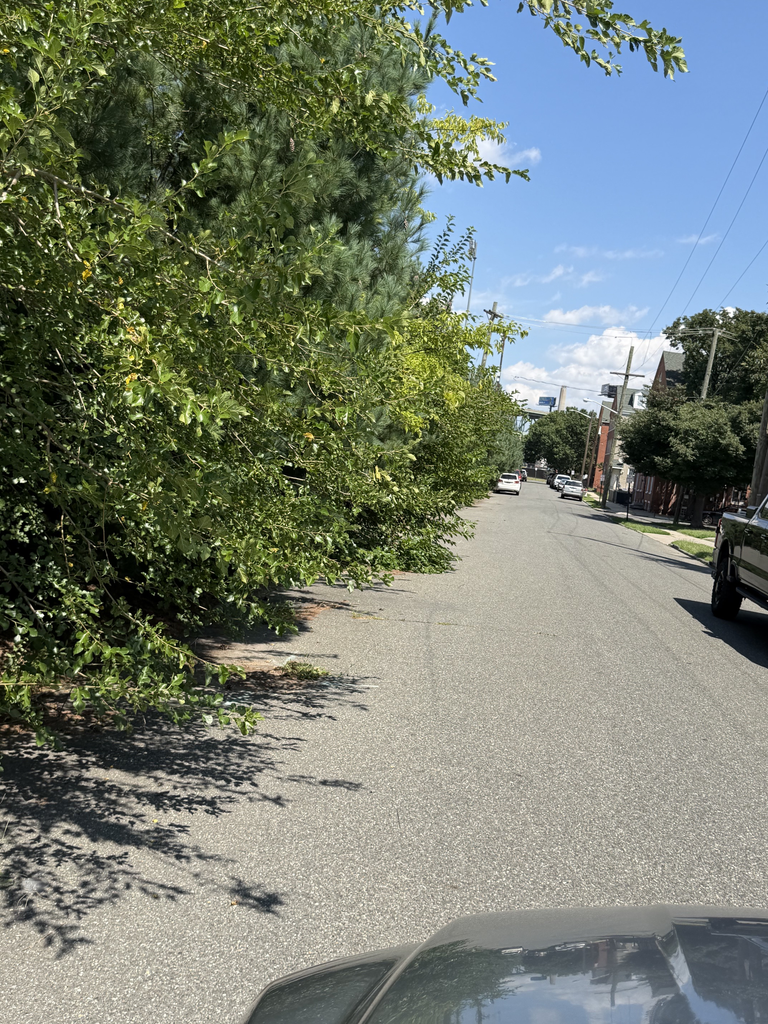
Why has the Gloucester City Housing Office allowed this to happen?–The present head of the department, Bill Gallagher, is being paid $75,000 plus to enforce the city’s property ordinances. Decades ago, the Holt family planted a row of evergreens along the Ellis Street corridor that runs parallel with the marine terminal. Today, branches from those trees have not only engulfed the pedestrian sidewalk but have gotten so large that they have swallowed up parts of Ellis Street narrowing the width of road. Parking is at a premium in that area and those same trees are blocking cars from parking next to the curb. If the trees were placed behind the fence that would not have happened. Another improvement that would make a big difference is a sound deflection walls along Ellis Street similar to the ones you see on state and federal highways.
Constructing engineered acoustic walls directly along the terminal borders helps intercept low-frequency industrial noise. When integrated with vegetative buffers, these structures force airborne dust and diesel exhaust upward, away from ground-level residential areas.
Gloucester City’s Freedom Pier was unveiled 15 years ago, on September 17, 2011. Approximately 100 people attended the dedication ceremony, including State Senator Donald Norcross; Assemblymen Gilbert “Whip” Wilson and Angel Fuentes; Sheriff and former Mayor Charles Billingham; Freeholder and former City Councilman Tom Gurick; Councilmen Nick Marchese, Jay Brophy, and Dan Spencer; City Historian Dave Munn; School Board President Louisa Llewellyn; and St. Mary’s Church Deacon Frank Crosson.
For over five decades Cleary’s Notebook News has written about the Gloucester City’s waterfront and the many redevelopment plans that promised transformation but ultimately fell short. The first plan presented to the City Fathers came from a North Jersey developer in 1987. He envisioned Hollywood East being built along the City’s waterfront. Mayor and council would not commit to the proposal until the develolper released his financial documents. The developer refused to provide that information until he was named the project developer.
That was followed by the King Street Corridor plan. In anticipation of that proposal the City purchased the corner bar at King and Cumberland Streets and demolished it. They also demolished the former King Theater. Those in charge announced the space were the bar and the theater were would be used for development plan. But that idea never got any further than the architect drawings.
Since then, a litany of proposistions have been announced with great fanfare, only to stall, collapse, or become entangled in lawsuits and political disputes. Those sketches ended up with all the other plans in the attic of the municipal building.
GLOUCESTER CITY, NJ (September 27, 2026)— As industrial logistics hubs expand along the Delaware River waterfront, the critical trade operations of marine container terminals come at a severe cost to adjacent residential neighborhoods. For frontline communities living under the shadow of heavy port infrastructure in South Jersey, the environmental footprint is defined by a continuous influx of air, water, noise, and land pollution.
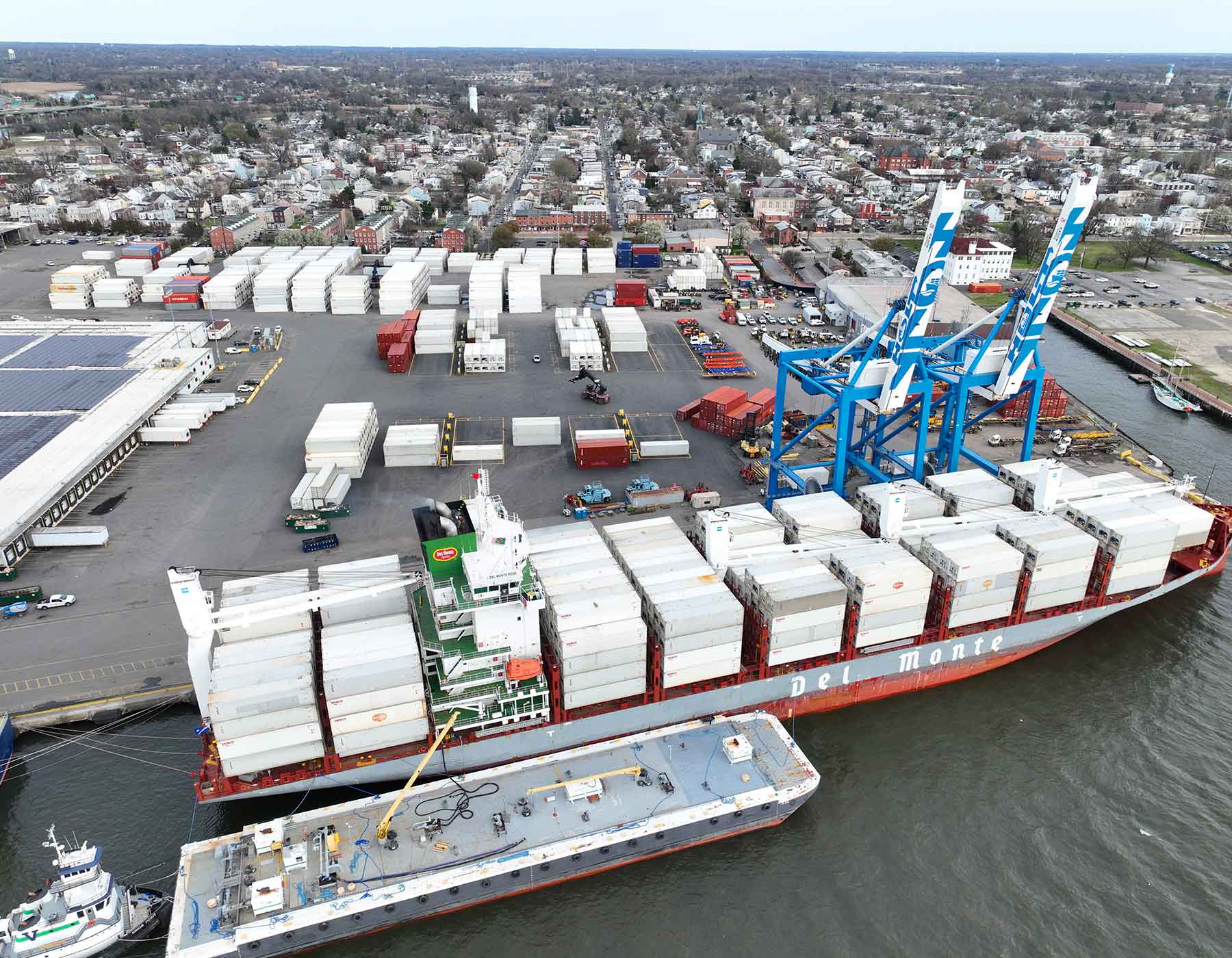
The Gloucester Marine Terminal (photo courtesy of Holt Logistics)
The intersection of private shipping infrastructure and state operations forms the backbone of this regional economic engine. Headquartered right here at the Gloucester Marine Terminal on King Street, the family-owned Holt Logisticshas been a dominant maritime force since 1926. Today, the company also acts as a primary private operator for major assets owned by the state-run South Jersey Port Corporation (SJPC), including Pier 5 at the Broadway Marine Terminal in Camden and the newer Paulsboro Marine Terminal. While these public-private partnerships handle millions of tons of cargo annually and drive regional logistics growth, their round-the-clock operations concentrate localized environmental hazards directly in residential backyards.
The 1996 Waterfront Lease Controversy
Nowhere is the complex and highly transactional relationship between Gloucester City and its largest corporate tenant clearer than in the history of the 1996 ninety-nine-year lease agreement.
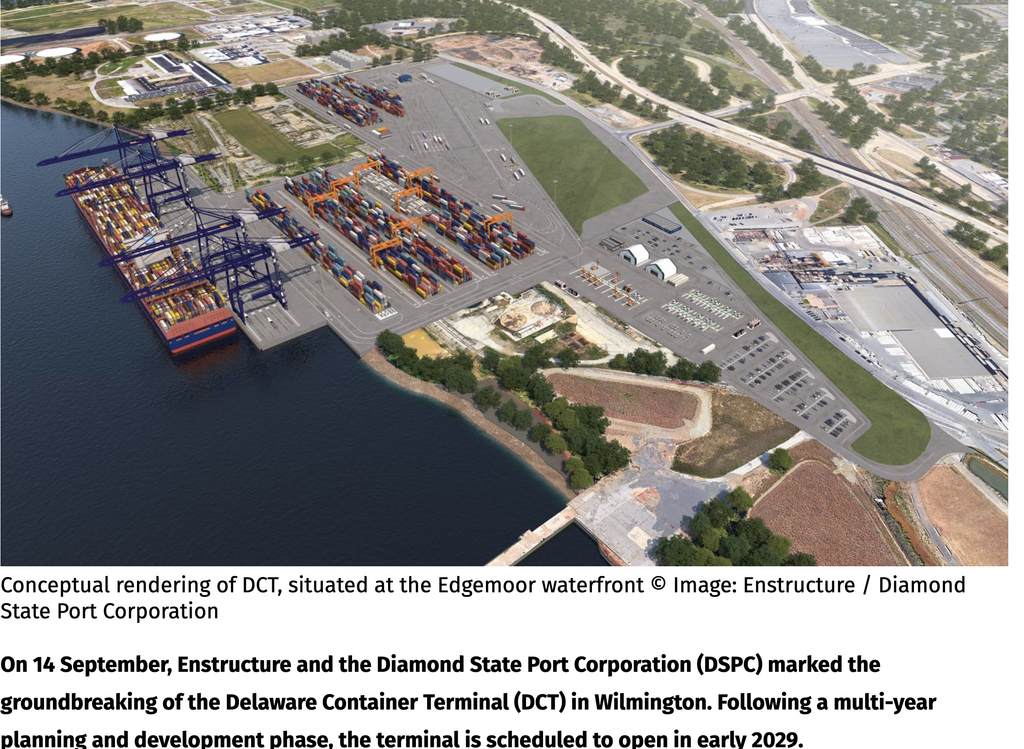
WILMINGTON, DELAWARE (September 18, 2026)–Located at the former Edgemoor industrial site, DCT will handle containers, retail goods and perishable commodities, nearly doubling container capacity across the Delaware River port complex. The terminal will also provide ocean carriers and cargo owners with access to Class I rail services and major highways, including I-495, I-95, I-295, the New Jersey Turnpike and the Pennsylvania Turnpike.
1980s Federal UDAGProgram: Did It Help Gloucester City?
William E. Cleary Sr. | CNBNews
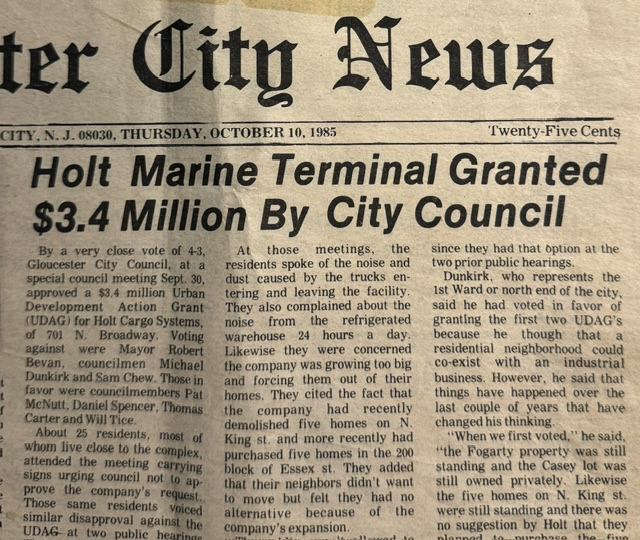
The Urban Development Action Grant program was introduced to Gloucester City residents in 1984. People living near the marine terminal at the time were against the idea from the very start. Several public meetings hosted by the mayor and council were held beginning in 1984. At those meetings, residents spoke about why they were against the expansion of that facility. At the time the Holt Family was just beginning to build their monstrous facility.
Gloucester City News article written by William E. Cleary Sr., published October 10, 1985
That program was promoted in 1978 by President Jimmy Carter. The purpose was to help distressed cities attract private investment, create jobs, and redevelop blighted industrial or commercial areas. UDAGs were awarded competitively and required substantial private‑sector participation. HUD’s regulations describe the program’s core mission as assisting cities facing severe economic distress by stimulating economic activity needed for recovery.
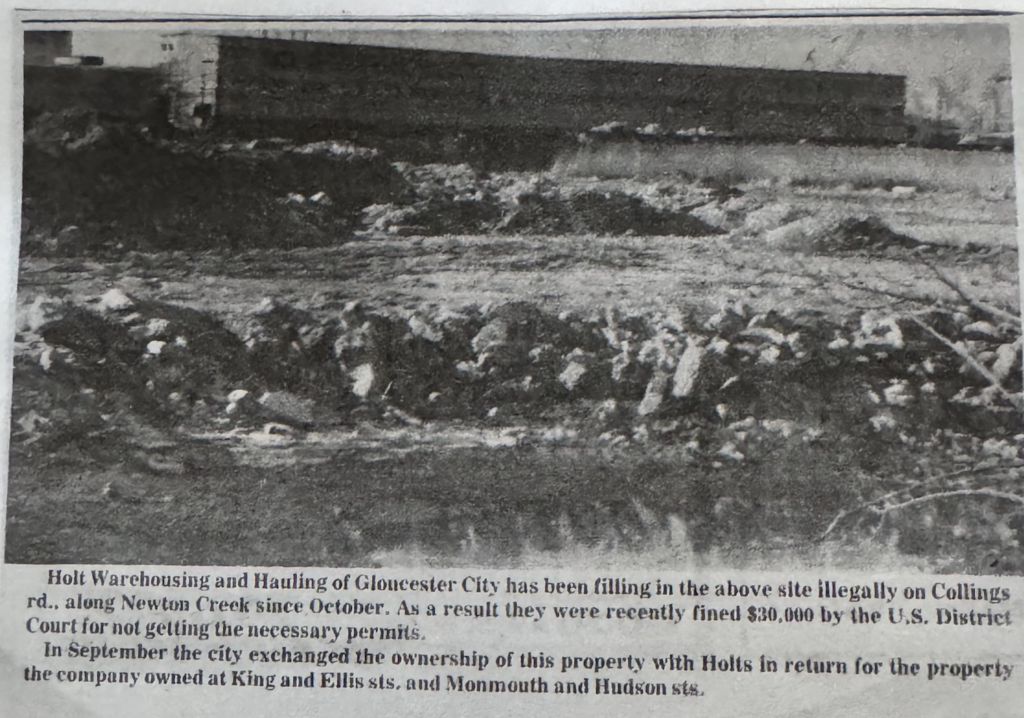
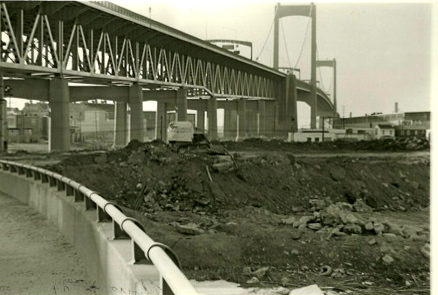
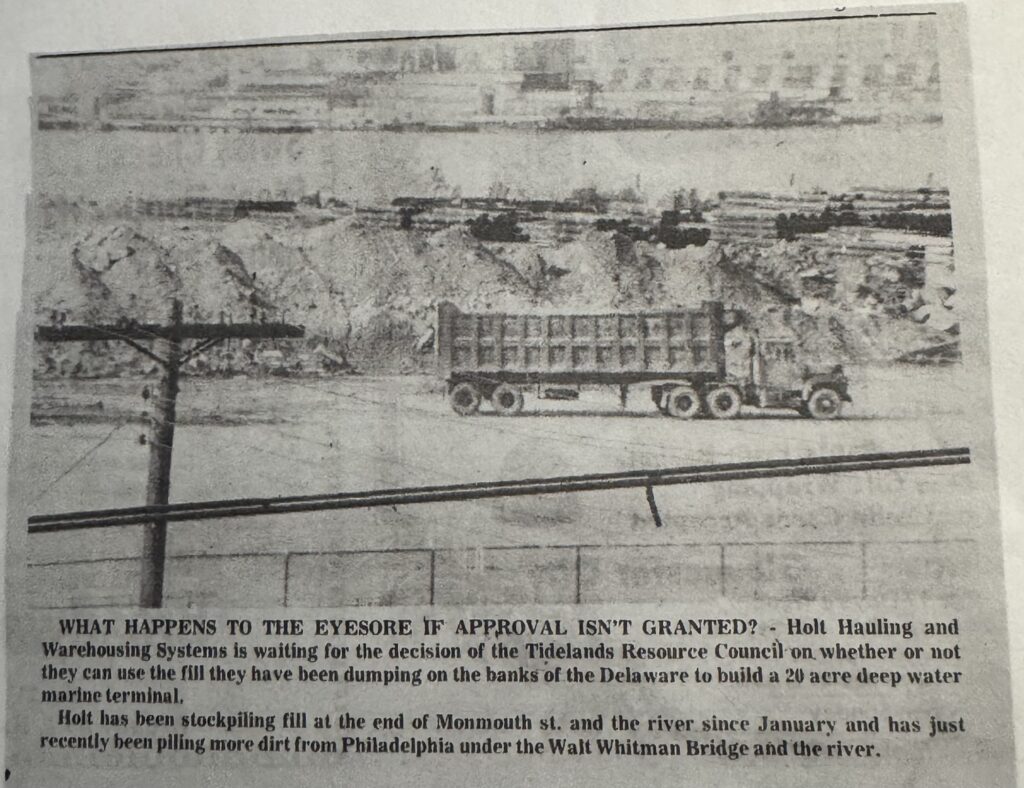
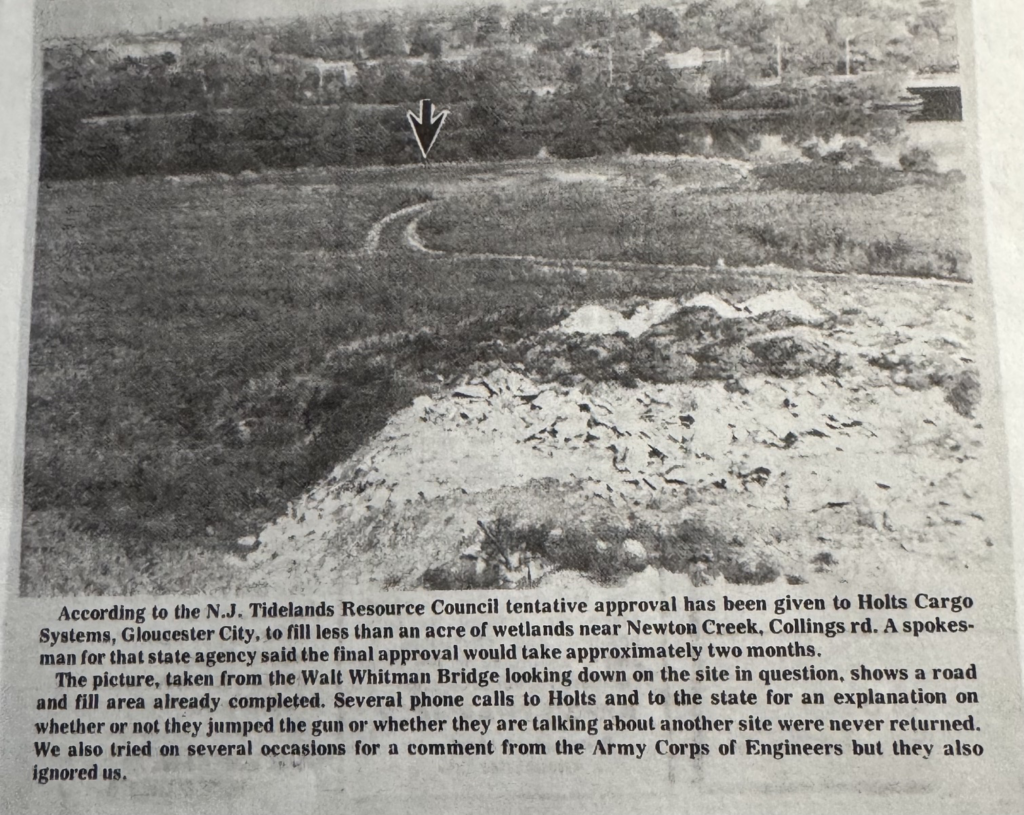
Since 1993, Holt has been leasing this land under the Walt Whitman Bridge for a $1 a year. The marine terminal was fined $30,000 for illegally dumping the fill into the Newton Creek, which flows into the Delaware River.
(Gloucester City News archives; photographer Tom Casey, February 5, 1981)
The Gloucester City News 1981 archive photos revealed the fill dirt and concrete used by Tom Holt Sr.,to fill in the Newton Creek swampland under the Walt Whitman Bridge near Collings Road. He was asked by this reporter why he didn’t wait for approval. “Paying the fines was cheaper than waiting for permits that may take months to obtain legally.
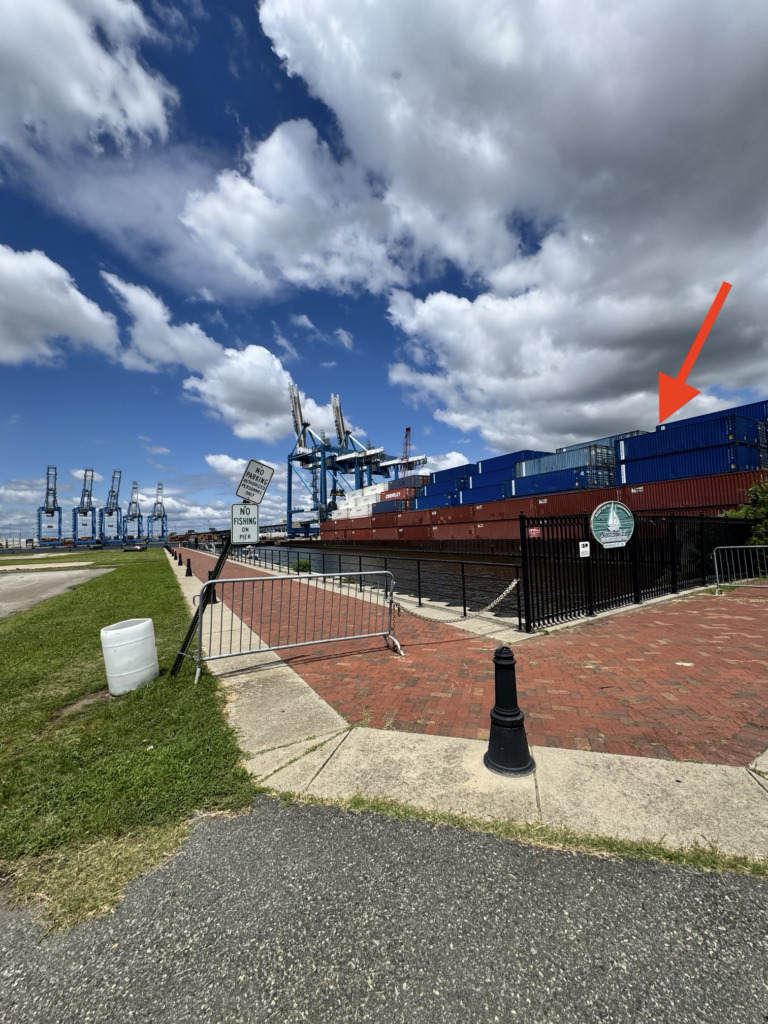
Holt was fined $30,000 by federal and state agencies for violating the law. Besides the fines, the court stipulated that he would have to build a park at his marine terminal for the public to view the Delaware River. Within the last couple of months, that park across from Freedom Pier was demolished and replaced with a stack of containers. It is not known if the Holt Family was permitted to remove that park.
The 1981 Case: Holt Fills Protected Wetlands Without a Permit
GLOUCESTER CITY NJ (AUGUST 6, 2026)–In early 1981, federal regulators charged Holt Hauling and Warehousing Systems with illegally filling in federally protected wetlands along Newton Creek, a tributary of the Delaware River. The company had expanded its storage yard by dumping dirt and construction material into tidal wetlands without obtaining the required permits from the U.S. Army Corps of Engineers.
The federal complaint made clear that Holt’s actions violated both the Clean Water Act and the Rivers and Harbors Act. A consent order filed in U.S. District Court required Holt to pay a civil penalty and restore portions of the damaged wetlands. The case was one of the earliest examples of federal environmental enforcement on Gloucester City’s industrial waterfront.
The reporting by the Gloucester City News editor and publisher at the time captured the scale of Holt’s ambitions. At the same time portions of Newton Creek were being filled in two massive container cranes—purchased in Germany—were floated across the Atlantic on barges and escorted up the Delaware River by the U.S. Coast Guard. As those barges passed under the Delaware Memorial Bridge, we were aboard a Coast Guard vessel documenting the arrival. It was a dramatic moment that symbolized Holt’s rapid expansion, much of it built on land created by backfilling marsh and riverbank.
The Same Land, Four Decades Later: A New Legal Fight
(Gloucester City News archives; photographer Tom Casey, December 17, 1981)
The wetlands Holt filled in 1981 are not just a historical footnote. They are the same tract of land at the center of a major dispute today between Holt Logistics and the Delaware River Port Authority (DRPA).
—
WHAT HAPPENED TO THE PUBLIC PARK THAT HOLT WAS MANDATED TO BUILD?
CNBNews photo–The arrow points to the location of a small public park that Thomas Holt was ordered to build as part of a court order levy against the shipping tycoon in 1982 for illegally filling in the Newton Creek swampland under the Walt Whitman Bridge near Collings Road. It is not known if the Holt family violated that1982 court order by removing it to make room to store more containers. byoder Holt.The cothe
Since 1993, Holt has leased the land beneath the Walt Whitman Bridge for $1 per year—a symbolic arrangement created during a different era of port operations. But the New Jersey Office of the State Comptroller (OSC) recently forced a settlement with DRPA after determining that the lease was not in the public’s financial interest.
OSC’s involvement triggered a renegotiation of the lease, and Holt is now fighting efforts to raise the rent to market value.
Holt argues that:
The land was created by their own backfilling, not by the DRPA.
The property is inaccessible without crossing Holt’s surrounding private land.
Therefore, the DRPA should not charge market‑rate rent for land Holt claims it effectively built and maintained.
The DRPA and OSC counter that:
The land is public property.
The $1 lease has deprived taxpayers of fair revenue for decades.
Any future agreement must reflect the true value of the waterfront acreage.
This dispute has become one of the most consequential port‑related negotiations in South Jersey in years.
(Gloucester City News archives; photographer Tom Casey, November 4, 1982) —
Why the 1981 Case Matters Today
The connection between the 1981 wetlands violation and the current lease battle is direct and undeniable:
The land Holt filled illegally in 1981 is the same land they now claim to have “created” and therefore deserve to lease cheaply.
Holt’s long history of aggressive expansion—sometimes pushing past regulatory boundaries—helps explain why state oversight agencies are now scrutinizing the $1 lease.
The OSC’s intervention signals a shift: public agencies are no longer willing to accept decades‑old arrangements that favor private operators over taxpayers.
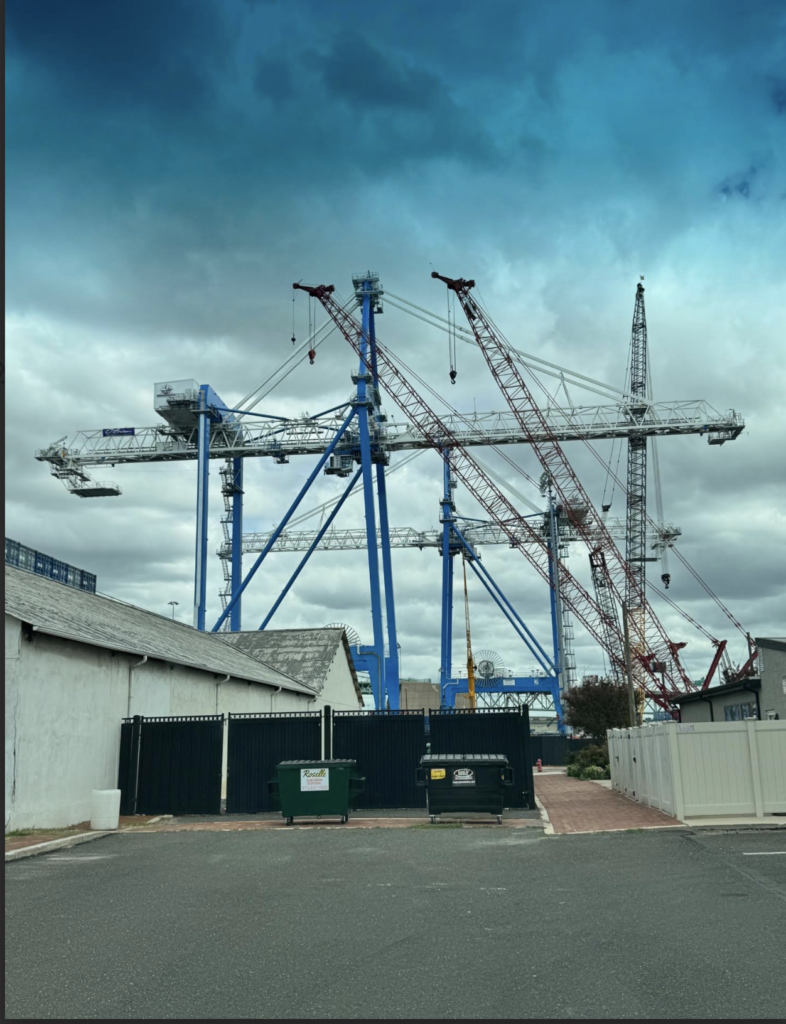
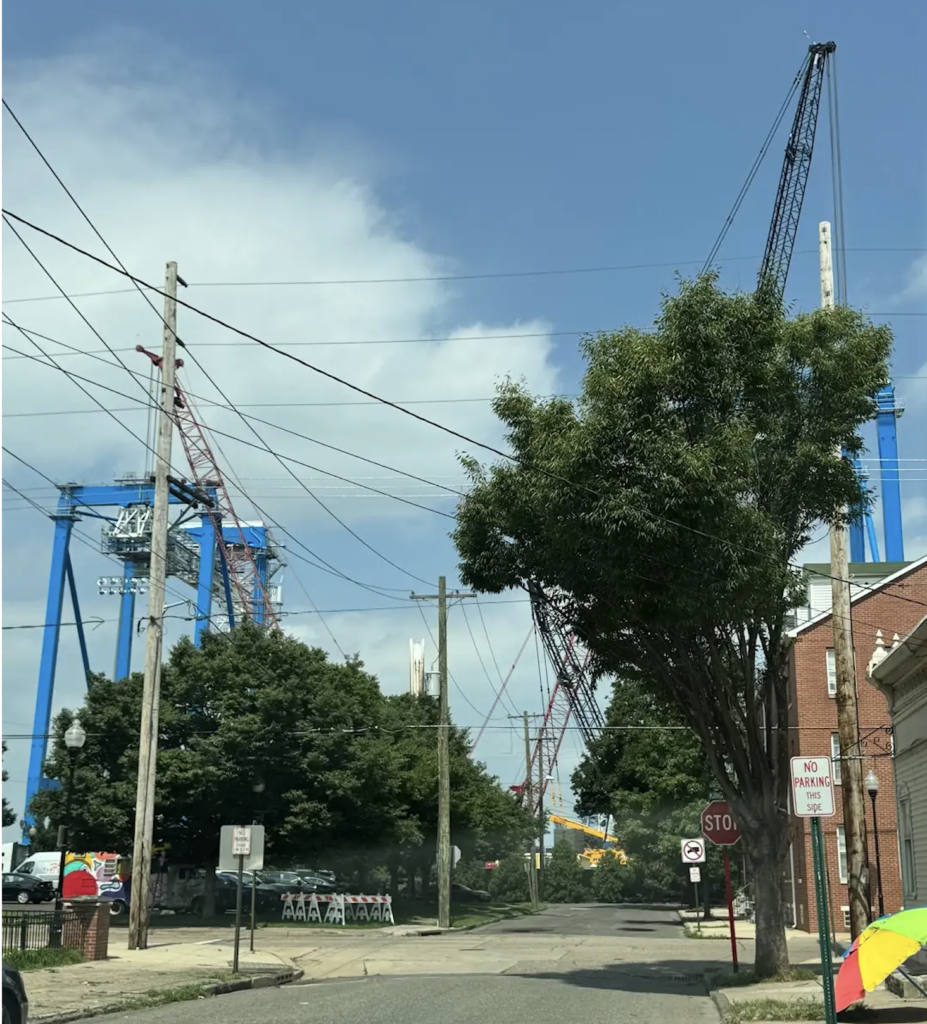
This recent photo taken at the foot of Monmouth Street shows cranes that are standing on land that was once covered by the Delaware River. Holt filled in the river in 1981.
The reporting by the Gloucester City News in the 1980s provides essential historical context. It shows that Holt’s relationship with the Gloucester City waterfront has always been complicated—marked by ambition, conflict, and a willingness to reshape the landscape to suit its operations. It also revealed that Holt wasn’t afraid of violating environmental rules if, in the end, he would benefit financially by doing so. When he ordered his employees to start filling in the swampland under the Walt Whitman Bridge before receiving the necessary permits, he said it was cheaper for him to pay the fines than sit around waiting for the approval of the permits needed to proceed with filling in the Delaware River.
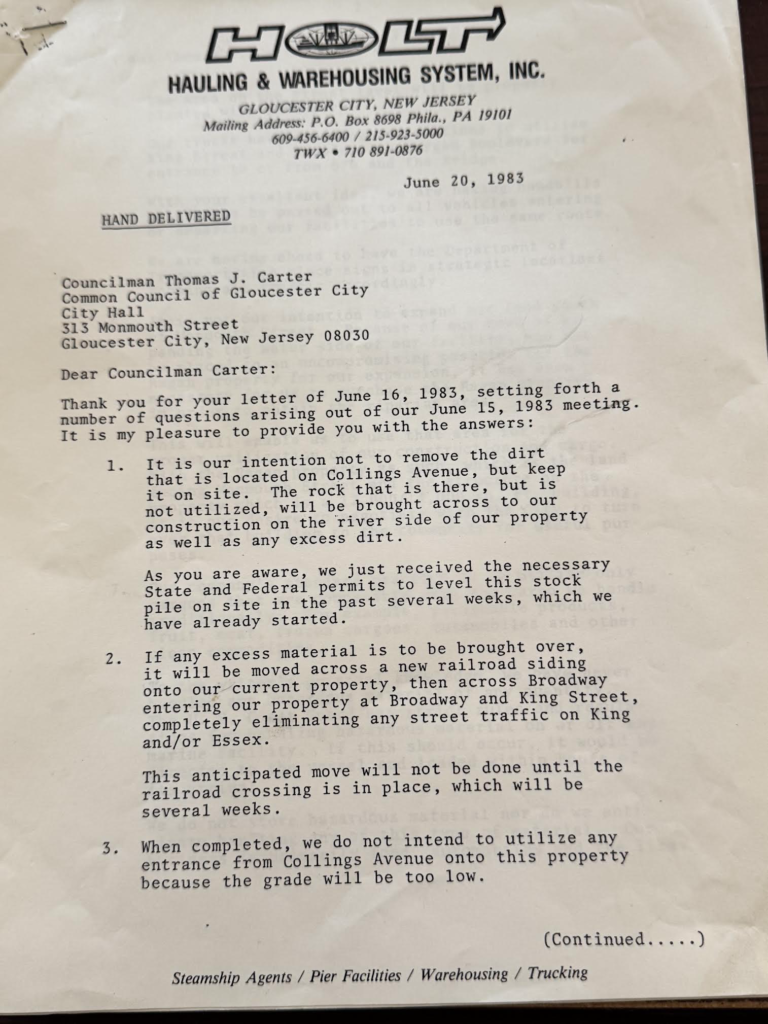
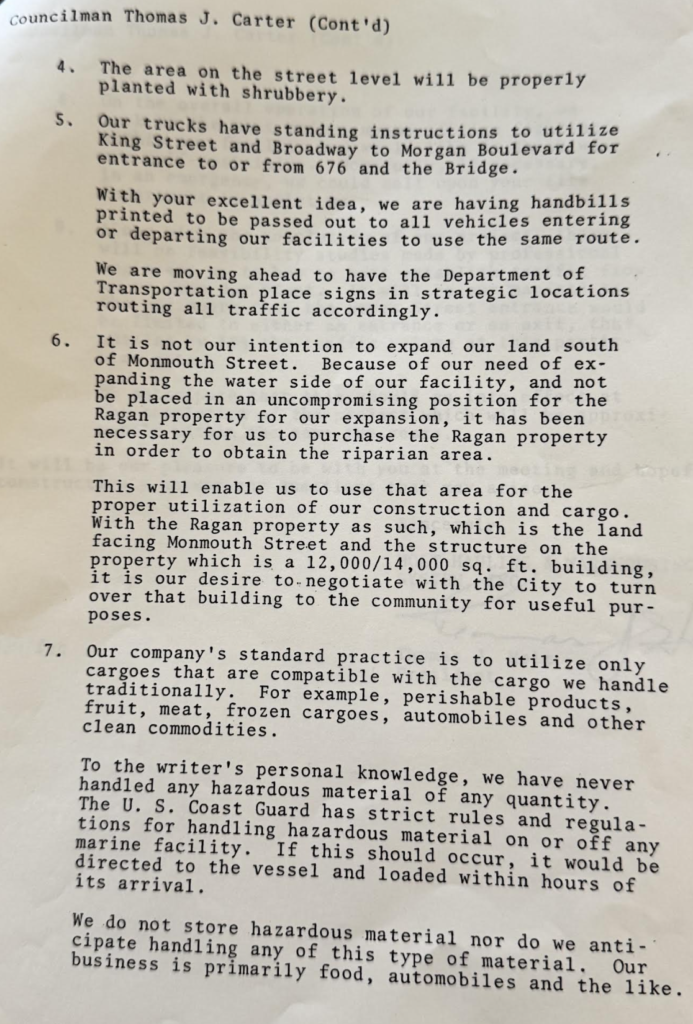
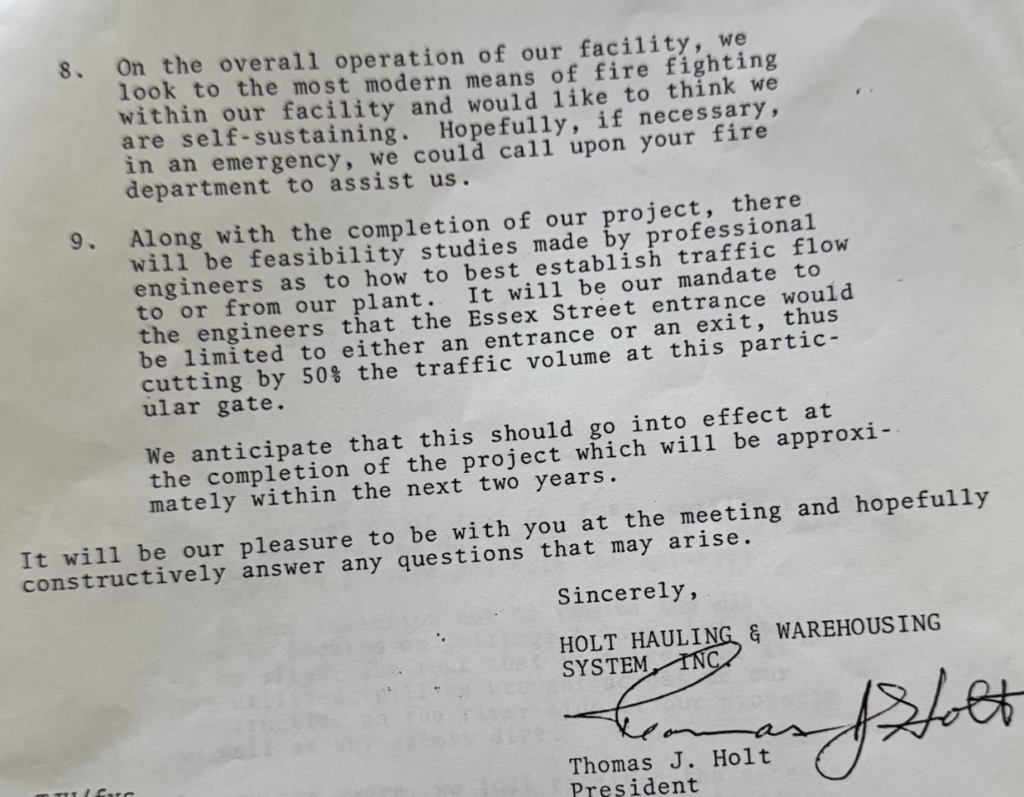
On June 20, 1983 Thomas J. Holt, the president of the Holt Hauling and Warehousing System, promised Gloucester City Councilman Thomas Carter that his company would not expand its marine terminal any further than the foot of Monmouth Street. According to a AI search Holt Logistics began leasing the former U.S. Coast Guard station at Freedom Pier in 1988 following the base’s closure. The building was was located a block from Monmouth Street. Subsequently, the building was restored and renovated to serve as their corporate headquarters in the early 2000s.
THE POWER OF THE HOLT FAMILY
AUGUST 2026-The Holt family’s influence over regional port operations surfaced again this week. According to reporting in The Philadelphia Inquirer, Holt Logistics successfully blocked Hanwha — the Korean shipbuilder currently operating on a 110‑acre site in South Philadelphia — from expanding into the Paulsboro Marine Terminal. Hanwha officials said the Paulsboro site would have solved their space constraints and positioned the company to compete for major U.S. Navy contracts. With the deal halted, Hanwha is now shifting its search to southern states along the Atlantic Coast.
HANWHA PLANNED A $5 BILLION SOUTH JERSEY INVESTMENT
Hanwha has pledged to invest $5 billion in U.S. shipbuilding once it secures a suitable location. The Paulsboro facility, previously used for offshore wind‑mill construction, became available after President Trump canceled the federal wind program, prompting the tenant to vacate last December. Hanwha agreed to assume the lease — until Holt Logistics intervened.
Holt refused to approve the arrangement and filed suit to block it. After months of lobbying and legal maneuvering, Hanwha abandoned its Paulsboro plans and is now entertaining offers from southern states eager to attract a portion of the company’s multibillion‑dollar investment.
Paulsboro Mayor John Giovannitti estimates that fewer than 50 workers are present at the port on a typical day. The borough sublets the terminal to Holt, which paid $1.6 million last year to operate the facility. Leo Holt, whose century‑old company manages terminals in Gloucester City and South Philadelphia, said he is not entirely opposed to manufacturing at Paulsboro — but only under conditions acceptable to Holt Logistics.
New Jersey taxpayers have already invested heavily in the Paulsboro port, borrowing and spending more than $500 million to build the wharf, highway ramps, and supporting infrastructure intended to attract large employers. Hanwha’s departure underscores how much control Holt continues to wield over the future of that publicly financed facility.
Some parts of this article were writted with the help of AI, which can produce inaccuracies.
According to the Philadelphia Inquirer, the Holt Marine Terminal encompasses 125 acres of Gloucester City waterfront property.
GLOUCESTER CITY, NJ (CNBNews)(August 3, 2026)--Driving from North Broadway onto Hudson Street recently, it was hard not to see the giant cranes blocking the skylight as you got closer to the Holt Marine Terminal in Gloucester City. Some of those cranes that towered over the Mill Block properties, located between King Street and Ellis Street, were 20 stories high. There was a constant humming noise emitted from the terminal as we drove on Ellis Street towards Mercer Street.
You have to wonder how the people who reside so close to this terminal deal with the seven-day-a-week operation. When a container ship carrying fruit, meat, or some other commodity arrives, residents in the area are given no consideration. Their only choices are to move or sleep with a pillow over their heads.
Presently, the City has signed an agreement with a real estate developer who plans to build 350 apartments at the former Coast Guard Base, about 100 yards from the marine terminal. The Holt family is fighting the proposal. Their lawsuit claims that the development plan, which would be built just feet from Holt’s office building, would interfere with their operation.
59 YEARS AGO HOLT ARRIVED IN GLOUCESTER CITY
In 1967, Leo A. Holt Sr., the father of Thomas Holt, purchased 37 acres of the former New York Ship property. Interested in the same property at the time was the Camden County Municipal Utlities Authority (CCMUA). Gloucester City Mayor Vince Daily fought against the CCMUA moving into his community. Thank God for Mayor Daily. That agency processes roughly 58 million gallons of sewage every day at its main plant in South Camden. People living near it claim the smell coming from their property is sickening some days.
Holt was an independent truck driver serving Mom and Pop stores. Holt Motor Express had 10 trucks. And they owned 11 warehouses around the Philadelphia and Camden City area. Leo Holt Sr., died in 1968. After his death, his sons took over Holt Motor Express and expanded into the stevedoring business.
THE HOLT FAMILY’S RECENT IMPROVEMENTS AT THE GLOUCESTER MARINE TERMINAL




 -
 -
 -
 -
 -