Delaware Drivers Urged to Take Extra Caution Now to Avoid Deer Collisions

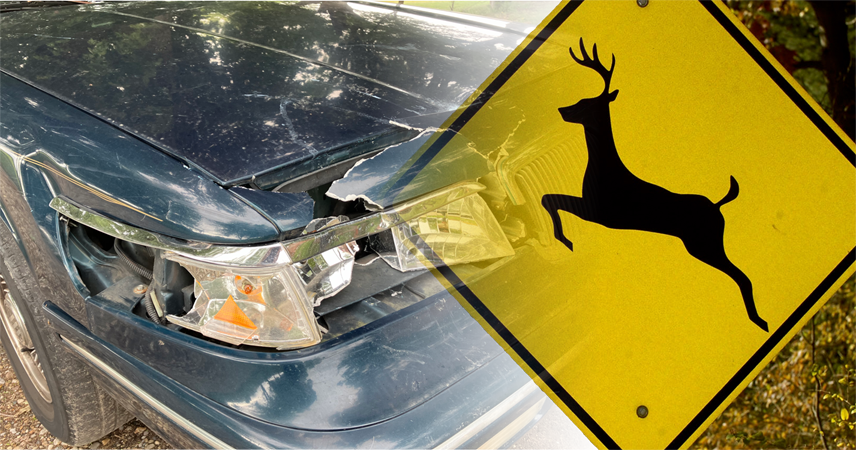
Delaware drivers should have heightened roadway awareness as the days shorten and the deer mating season nears /Delaware DNREC graphic

Shorter Days and the Approaching Mating Season Mean More Deer Are on the Move, Particularly in the Predawn and at Dusk

Days are getting shorter, and for Delaware drivers, that means darker commutes in the morning and evening – even before clocks fall back in November. Shorter daylight hours also bring more encounters with white-tailed deer on roadways.

The Delaware Department of Natural Resources and Environmental Control, the Delaware Office of Highway Safety (OHS) within the Department of Safety and Homeland Security and Delaware State Police (DSP) urge motorists to start safe driving habits now, before deer activity peaks later this fall.

“With rut activity approaching, bucks (males) chasing does (females) will soon begin repeatedly crossing Delaware roadways, unaware of the danger they pose to themselves and to motorists,” said DNREC Division of Fish and Wildlife biologist Sam Millman, adding that bucks will start expanding their home ranges as the rut nears. “That’s why starting in early October, we remind Delaware drivers to take extra precautions, especially when traveling on dark backroads and roadways lined by woodlands and forests, where white-tailed deer are more likely to cross.”

Deer rut, or mating season, runs from about mid to late October through late November and into December. But collisions are already happening, and drivers who build safe habits now will be better prepared when deer activity surges.

The average white-tailed deer in Delaware weighs about 140 pounds, but larger bucks can top 200 pounds or more, according to the DNREC Division of Fish and Wildlife. To put that in perspective, a deer-vehicle collision is equivalent to hitting a small top-load washing machine, or in the case of a large buck – a mid-sized refrigerator. Colliding with an animal that size can result in severe injury to those in the vehicle, while other motorists can become collateral damage and the vehicle itself may be totaled or need major repairs.

The latest figures from OHS confirm that most deer-vehicle collisions in Delaware occur between 5 a.m. and 7 a.m., and again between 5 p.m. and midnight. To date in 2025, there have been more than 923 deer-related crashes. OHS data also finds deer-related crashes to be most common in October, November and December, representing 47% of all Delaware vehicle-deer collisions from 2020 to 2024.

“During deer mating season, drivers must stay alert and avoid distractions such as using a cellphone while driving,” said Sharon Bryson, director of the Delaware Office of Highway Safety. “Staying focused on the road helps you react quickly if a deer crosses unexpectedly. We urge everyone to take extra care to arrive alive.”

In 2024, 1,873 or 94% of the 1,993 animal-related collisions investigated by the Delaware State Police involved deer. Of that number, 912 collisions occurred during the deer mating season. (Deer mating season is defined as October, November, and December.)

“As we enter this year’s deer mating season, Delaware drivers should be aware that nearly all of DSP’s animal-related crashes in 2024 involved deer,” said Lieutenant India Sturgis, Director of Public Information for the Delaware State Police. “Of those crashes, more than 900 occurred during the time of year when deer are most active. These numbers show how quickly deer activity can impact road safety. Drivers can reduce their risk by slowing down, staying alert at dawn and dusk and using high beams when it is safe to do so. Taking these steps will not eliminate every danger, but they can make the difference between a close call and a serious crash”

DNREC, OHS and DSP offer these safety tips to promote safe driving during the rut and all year long:

  • Always wear your seatbelt.
  • Slow down at night, on curves and in bad weather.
  • Use high beams when there is no oncoming traffic to spot deer eyes along the roadside.
  • Watch for “Deer Crossing” signs and slow down when in those areas.
  • Expect groups. If you see one deer, more are likely nearby.
  • If you spot deer, slow down and honk your horn with one long blast to frighten them away. Do not depend on devices such as deer whistles, deer fences and reflectors to deter deer, as these devices have not been proven to reduce deer-vehicle collisions.
  • Never swerve to miss a deer – brake and stay in your lane. Swerving increases the risk of hitting an oncoming vehicle, tree or utility pole.
  • If you hit a deer, and your vehicle is damaged, stop at the scene, get your car off the road, if possible, turn on your vehicle hazard lights – and if you or anyone in your vehicle are injured, call 911.
  • Do not touch the animal or get too close to it. An injured deer may bite or kick and can cause serious injury.

For more information on roadway safety, visit the www.arrivealivede.com/ website.

For more on white-tailed deer, visit the de.gov/deer webpage.

About DNREC

The Delaware Department of Natural Resources and Environmental Control protects and manages the state’s natural resources, protects public health, provides outdoor recreational opportunities, and educates Delawareans about the environment. The DNREC Division of Fish and Wildlife conserves and manages Delaware’s fish and wildlife and their habitats, and provides fishing, hunting, wildlife viewing and boating access on more than 68,000 acres of public land. For more information, visit the website and connect with @DelawareDNREC on YouTubeFacebookInstagramX (formerly known as Twitter) or LinkedIn.

Disinfection vs. Cleaning: What Carrollton Businesses Need to Know for Workplace Safety

Workplace safety in Carrollton has become more than just keeping floors dry and exits clear—it’s about protecting employees, customers, and visitors from invisible health risks. While most businesses understand the value of a clean environment, there’s often confusion between cleaning and disinfection. These two practices sound similar, but they serve very different purposes. Knowing the difference can mean the distinction between a workplace that looks tidy and one that’s truly safe.

At Legacy Business Services, we work with Carrollton businesses every day to balance cleaning and disinfection properly. Here’s what you need to know.

What Is Cleaning?

Cleaning is the process of removing dirt, dust, debris, and visible contaminants from surfaces. It doesn’t necessarily kill germs—it reduces them by physically removing them along with impurities. Think of cleaning as the first line of defense in any commercial environment.

Examples of cleaning tasks in a workplace include:

  • Dusting office desks, blinds, and shelves.
  • Vacuuming carpets in retail centers.
  • Mopping hard floors in medical office lobbies.
  • Wiping down breakroom counters or tables.

When cleaning is done consistently, it improves indoor air quality, reduces allergens, and creates a professional appearance. However, cleaning alone does not fully protect against bacteria and viruses. That’s where disinfection comes in.

Continue reading “Disinfection vs. Cleaning: What Carrollton Businesses Need to Know for Workplace Safety”

The Complete Guide to Weed Grinders: Choosing the Right One for You

When it comes to achieving the perfect, smooth, and consistent grind, a weed grinder is an essential tool in any smoker’s setup. Whether you’re rolling or using Bongs, a good grinder ensures even burning, better airflow, and improved flavour. But with so many types on the market — from manual to electric weed grinders, and metal to acrylic — knowing what to choose can be overwhelming.

This guide breaks down everything you need to know about grinder options, including materials, designs, and the top features that define the best weed grinder for your needs.

What Is a Weed Grinder and Why Do You Need One?

A weed grinder is a compact device used to break down dry material into finer, more manageable pieces. It typically consists of two or more interlocking sections fitted with sharp teeth that shred and grind your mix evenly.

Why does this matter?
Because a consistent grind gives you:

  • Better airflow through your bong or pipe
  • Even burning for smoother hits
  • Improved flavour and aroma from evenly heated material
  • Reduced waste, ensuring every bit gets used effectively
Continue reading “The Complete Guide to Weed Grinders: Choosing the Right One for You”

The Ultimate Beginner’s Guide to Using a Bong

If you’ve ever wondered what makes a bong such a popular choice among enthusiasts, this guide breaks down everything you need to know — from what it is, to how to use one properly, and why it’s a staple in Australian smoking culture. Whether you’re new or just curious about the mechanics, you’ll walk away with a clear understanding of how bongs work and how to get the smoothest possible experience.

What Is a Bong?

A bong is a type of water pipe designed to filter and cool smoke before it’s inhaled. Its basic design includes a water chamber, a stem, and a bowl. When you take a draw, smoke passes through the water, which removes ash and cools the temperature — creating a smoother, less harsh hit compared to other methods.

While simple in function, bongs come in countless variations. You’ll find everything from compact acrylic pieces to high-end glass bongs featuring percolators, ice catchers, and custom designs. These features enhance diffusion and cooling, giving users a cleaner, more enjoyable experience.


How Does a Bong Work?

The process behind how a bong works is surprisingly straightforward yet effective. When you ignite the material in the bowl and inhale through the mouthpiece, the smoke travels down the stem and into the water chamber. The bubbling action you see is the smoke being filtered through the water, which helps trap heavy particles and cool the temperature before you inhale.

This filtration process doesn’t just make the smoke smoother — it also enhances the flavour and helps reduce throat irritation. That’s why many experienced users prefer bongs over dry pipes or papers.

Continue reading “The Ultimate Beginner’s Guide to Using a Bong”

How to Make a Cone Piece: A Complete Guide for Beginners

If you’ve ever found yourself mid-session with a missing or damaged cone piece, you’re not alone. It’s one of the most common small parts to lose, and knowing how to make a temporary replacement can save the day.

Before we dive into the steps, it’s important to understand what a cone piece is, how it works, and why it’s better to buy a proper one once you can. This guide will walk you through the basics, DIY alternatives, and the safest long-term options available from your trusted bong shop.

What Is a Cone Piece?

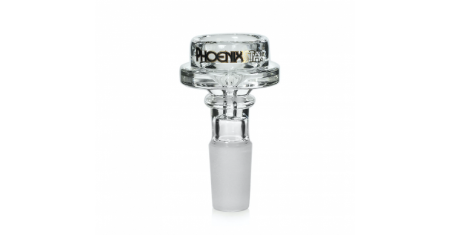
A cone piece (sometimes called a bowl) is the detachable section of a bong or pipe where you pack and light your material. When you inhale, the smoke travels from the cone through the downstem and into the bong’s water chamber before reaching your mouth.

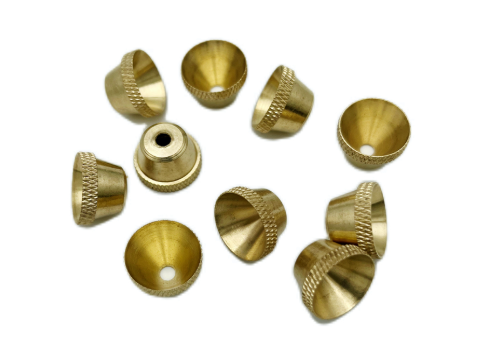
They come in different sizes, shapes, and materials — with glass cone pieces, brass cone pieces, and ceramic cone pieces being the most common. The right type affects everything from airflow to flavour and heat distribution.


Why You Might Need to Make One

Even experienced users occasionally need a quick fix. Maybe your glass piece cracked, or you misplaced it during cleaning. While nothing replaces a properly fitted, heat-resistant cone, it’s possible to make a temporary one safely using materials you might already have at home.

However, it’s crucial to avoid anything that can release toxins or melt under heat, such as aluminium foil, plastic, or pen barrels. These DIY fixes might seem convenient but can be harmful if used improperly.


How to Make a Temporary Cone Piece (Step-by-Step)

If you’re in a pinch, here’s a safe and simple method to create a functional replacement cone piece using metal or glass components. This setup is only for short-term use — ideally until you can order a proper one online.

Step 1: Find a Suitable Base

Look for a small metal socket or nut (like those used in toolkits). Choose one with a narrow opening that can hold your material but still allow airflow. Avoid any piece with coatings, paint, or rust.

Step 2: Create the Holder

You’ll need something to hold the socket in place on your bong or water bottle (if using a temporary DIY bong). A short length of steel tubing, glass stem, or even a cleaned metal pen casing (with no plastic parts) can work. Insert the nut securely on top.

Step 3: Fit It to the Downstem

If you’re using a regular bong, make sure the size of your makeshift cone fits snugly into the downstem joint. You can wrap a little heat-resistant tape around the base for a better seal, but avoid any adhesives that might burn.

Step 4: Test Airflow

Before lighting anything, draw through the bong to make sure air flows smoothly. If it feels too tight or loose, adjust the fit or hole size.

Step 5: Clean Before Use

Rinse your DIY cone thoroughly with warm water and ensure it’s dry before use. Even small traces of oil or debris can affect the flavour and safety of your session.

This setup will get you by in an emergency — but remember, it’s temporary.


Why Proper Cone Pieces Are Worth It

Homemade solutions might work once or twice, but there’s no substitute for a quality-made glass or brass cone piece. Factory-made options are heat-resistant, durable, and designed for optimal airflow — ensuring you get the best experience every time.

Premium cone pieces are also easier to clean and come in universal joint sizes (typically 14mm or 18mm), which makes them compatible with most bongs. A proper fit means no leaks, no residue buildup, and a smoother hit overall.

For example, a glass cone piece preserves flavour and is easy to maintain, while a brass cone piece offers durability and longevity. Many enthusiasts even keep a few spare pieces on hand just in case one breaks or goes missing.


Cleaning and Maintenance Tips

Whether you’re using a glass or metal cone piece, regular cleaning keeps your sessions smoother and your bong performing at its best. Here’s how to do it properly:

  • Soak in isopropyl alcohol: Let the cone sit in a small container of alcohol for 10–15 minutes to dissolve residue.
  • Use a pipe cleaner or cotton swab: Gently scrub the inside to remove stubborn build-up.
  • Rinse thoroughly: Always rinse with warm water to remove any lingering alcohol before use.
  • Avoid boiling: Sudden temperature changes can crack glass or damage coatings.

Cleaning once a week can extend the life of your cone piece and prevent unwanted flavours or airflow issues.


Materials to Avoid When Making a Cone Piece

Even though it might be tempting to use whatever’s nearby, avoid materials that can melt, emit fumes, or warp under heat. Here’s what not to use:

  • Aluminium foil: Releases toxic fumes when heated.
  • Plastic: Melts easily and gives off harmful chemicals.
  • Painted metal: Coatings can contain lead or other dangerous compounds.
  • Paper or cardboard: Flammable and structurally weak.

Always prioritise heat-resistant metals or glass over these alternatives.


When to Replace Your Cone Piece

Like any frequently used part, cone pieces wear down over time. Look for signs like:

  • Cracks or chips in glass
  • Restricted airflow due to heavy build-up
  • Loose fit in the stem
  • Burnt or discoloured metal

If any of these appear, it’s time to upgrade. Replacement pieces are affordable and easy to find through reputable Australian retailers like Bong Empire.


FAQs

Q. Can I use a socket as a cone piece?

A. Yes — as a short-term fix, a clean steel socket can work, but make sure it’s uncoated and properly fitted. Replace it as soon as possible with a purpose-made piece.

Q. Are glass or metal cone pieces better?

A. It depends on your preference. Glass offers better flavour and a cleaner look, while metal is more durable and travel-friendly.

Q. Do cone pieces come in standard sizes?

A. Yes, the most common sizes are 14mm and 18mm. Always check your bong’s downstem joint size before buying.

Q. How often should I clean my cone piece?

A. Ideally after every few uses — residue builds up quickly and can affect taste and airflow.


Final Thoughts

Knowing how to make a cone piece can be a lifesaver when you’re in a bind — but it’s always best to invest in a high-quality, purpose-built one for long-term use. The difference in safety, performance, and flavour is worth it.

Roofing Contractor: Ensuring Quality and Confidence in Every Project

Every homeowner wants their roof to last as long as possible. After all, it’s not just a covering—it’s the system that keeps your family safe and your home secure from the elements. But even the best materials won’t perform well without skilled installation and proper care. That’s where the role of a roofing professional becomes essential.

Many people assume roofing projects are straightforward, but they involve far more than nailing shingles. From inspections to compliance with building codes, every detail affects durability and performance. Mistakes at any stage can lead to leaks, inefficiency, or even structural damage.

Strive Roofing & Construction emphasizes that hiring an experienced roofing contractor is the best way to ensure quality results. Their knowledge, craftsmanship, and commitment to safety guarantee that your roof will protect your home for decades.

Why Homeowners Need a Roofing Contractor

A roofing contractor oversees every aspect of roof care, from small repairs to complete replacements. They evaluate conditions, recommend solutions, and ensure all work meets professional standards. Without their expertise, homeowners risk shortcuts that compromise safety and value.

Contractors also handle the logistics of roofing projects. From sourcing materials to coordinating crews, they manage timelines and budgets while keeping homeowners informed throughout the process.

Continue reading “Roofing Contractor: Ensuring Quality and Confidence in Every Project”

Camden County roadwork projects

(Lindenwold, NJ) – Several roadway projects will be underway across Camden County during the week of October 6 to October 10. 

“Motorists should plan ahead to take alternate routes and give themselves plenty of time to get to their destinations,” said Commissioner Al Dyer, liaison to the Department of Public Works. “Also, remember that when you’re traveling through a construction area, please slow down and stay alert for crew members and debris.”

Camden

  • Crews will be working on Haddon Ave on Monday, October 6 from 7 a.m. to 3:30 p.m. There will be lane closures between Newton Avenue & Euclid Avenue.
  • Crews will be working on Collings Ave from Monday, Oct. 6 to Thursday, Oct. 9 from 7 a.m. to 3:30 p.m. There will be lane shifts between the southbound exit/entrance ramps for Interstate 676 & the Newton Creek Bridge on the westbound and eastbound sides.
  • PSE&G will be working on Mt. Ephraim Avenue from Monday, Oct 6 to Friday, Oct 10 from 7 a.m. to 5 p.m. There will be a full road closure between Carl Miller Boulevard & Ferry Avenue.
  • PSE&G will be working on Haddon Avenue on Tuesday, Oct. 7 from 9 a.m. to 2:30 p.m., and 8 p.m. to 6 a.m. There will be a lane shift between Dr. Luther King Jr. Boulevard and Cooper Plaza. 
  • PSE&G will be working on River Avenue & Federal Street from Tuesday, Oct. 7, to Friday, Oct. 10 from 8 a.m. to 2 p.m. There will be a full road closure on River Avenue between Federal Street & Moro Street and a lane shift on Federal Street between River Avenue & 16th Street. 
  • Crews will be working on Market Street from Wednesday Oct. 8 to Friday, Oct. 10 from 7 a.m. to 4 p.m. There will be lane closures and shifts between 2nd Street & 4th Street.

Collingswood

Crews will be working on Park Avenue from Monday, Oct. 6 to Friday, Oct. 10 from 7 a.m. to 3:30 p.m. There will be a full road closure between Dill Avenue & Ogden Avenue.

Gibbsboro

Crews will be working on Clementon Road East from Monday, Oct. 6 to Wednesday, Oct. 8 from 7 a.m. to 3 p.m. There will be a full road closure between Haddon Avenue & Lakeview Drive South. 

Gloucester Township

Crews will be working on Little Gloucester Road on Wednesday Oct. 8 and Thursday Oct. 9 from 7 a.m. to 3 p.m. There will be a partial road closure northbound between Blackwood-Clementon Road & College Drive. 

Laurel Springs

Crews will be working on East Atlantic Avenue & Stone Road on Thursday, Oct. 9 from 2:30 p.m. to 5:30 p.m. There will be partial road closures on Stone Road at the intersection with Washington Avenue. 

Lindenwold

Crews will be working on East Linden Ave from Monday, Oct. 6 to Friday, Oct. 10 from 7 a.m. to 4 p.m. There will be a full road closure between Irving Avenue & Emerson Street.

Merchantville

Crews will be working on Chapel Avenue on Monday, Oct. 6 and Tuesday, Oct. 7 from 7 a.m. to 4 p.m. There will be a full road closure between South Center Street & West Maple Avenue.

Winslow Township

Crews will be working on Mays Landing Road on Monday, Oct. 6 and Tuesday,
Oct. 7 from 7 a.m. to 5 p.m. There will be a partial road closure northbound between Old Albertson Road & the Atlantic County Line.

The Camden County Department of Public Works is responsible for maintaining over 1,200 miles of county roadway, 50 bridges and several dams. They are dedicated to making our area safer for motorists and pedestrians through county highway construction projects and road maintenance, including pothole repairs, street sweeping, grass cutting and storm drainage upkeep. The Public Works Department is located in Lindenwold where personnel are on call 24 hours a day, 7 days a week to serve the residents of Camden County.

To report concerns on Camden County roadways, call (856) 566-2980 or visit www.camdencounty.com.

Vote By Mail Ballots & Dropoff Updates

Vote By Mail Ballots have arrived! If you’re registered to VBM but haven’t received your ballot, please call 856-225-7219 for details. It’s important to return your VBM Ballot as soon as possible to one of the 29 convenient dropboxes throughout Camden County.

Important Dropbox Information & Changes:Cherry Hill Town Hall Dropbox has been relocated to The Cherry Hill Public Library at 1100 Kings Hwy N.There are 29 locations throughout the county that will be available 24/7 through the close of polls.“Vote By Mail drop boxes are conveniently located throughout Camden County to make voting easier and more convenient,” said Commissioner Louis Cappelli Jr.,“Voters can rest assured that these boxes are safe and secure, and that their vote will be counted as long as their ballot is completed properly and placed in any VBM drop box prior to the closing of polls on November 4th.” 

Continue reading “Vote By Mail Ballots & Dropoff Updates”

Museum Builders Share Dreams for Camden, Atlantic City

Join us Oct. 9 at 7 p.m. on Zoom for our monthly meeting featuring two founders of local African American museums. Learn about their determination, drive and why this work is vital to a future where we are all informed about our history and culture.
Ralph Hunter, Sr., 87, (above, left) and Larry Miles, 92, (above, right) dream of a south Jersey landscape with African American museums in Atlantic City and Camden, respectively. The men are collectors, business leaders and entrepreneurs who educate and inspire.

Mr. Miles founded La Unique African American Bookstore and Cultural Center in Camden, which is located on the newly named Larry Miles Way. Mr. Hunter’s collection is on display at the Noyes Arts Garage in Atlantic City and the African American Heritage Museum of Southern New Jersey in Newtonville. Both are putting their dreams into action.

Learn about their determination, drive and why this work is vital to the future where we are all better informed about our history and culture.


Registration is free but required to attend. Click the button below.

Register Oct. 9 Zoom Meeting

Cape May County Celebrates Groundbreaking for New $21.5 Million Justice Complex

Cape May Court House, NJ – On Wednesday, October 1st, the Cape May County Board of County Commissioners celebrated the groundbreaking of the County’s new Justice Complex, a transformative $21.5 million investment that will modernize and centralize critical public safety and County prosecutor office services. 

The project includes the demolition of outdated facilities, construction of a new 37,000 sqft building, 9,600 sqft of renovations to pre-existing structures, and extensive landscaping and site improvements to create a secure, efficient, and professional campus for law enforcement and public safety professionals. The future complex will centralize County Prosecutor’s Office operations and provide greater efficiencies.

Additionally, the complex will include new barracks for the County’s Public Safety Academy, able to accommodate 108 cadets with room to expand. “Today we move forward with building a facility that meets the needs of our dedicated public safety personnel and strengthens the County’s ability to serve and protect our residents, but also, to do so without borrowing funds shows the strong fiscal stewardship of our County government,” said Director Desiderio. 

“Investing wisely in public safety infrastructure is essential to the wellbeing of our communities and ensures that we have the capacity, security, and technology to meet the everchanging challenges facing law enforcement, and serving as the Liaison to the Prosecutors Office, I am both proud and excited to see this project moving forward,” said Commissioner Melanie Collette. 

The new complex is designed to provide modern workspaces, enhanced security and privacy features, energy efficient utility upgrades, and cutting-edge technology to support investigative, prosecutorial, and training operations. Ernest Bock & Sons is the awarded general contractor for the project. The project is set to be complete 645 from October