Breast Cancer Awareness Month

October is Breast Cancer Awareness Month. Each year, more than 280,000 women in the United States are diagnosed with invasive breast cancer.

Deputy Director Jim Jefferson and the Gloucester County Board of Commissioners encourage all residents to stay proactive—schedule regular screenings, know the signs, and take advantage of available support and resources.

Learn more at: https://www.nationalbreastcancer.org/breast-cancer-awareness-month/

Medicare Myths Debunked: Separating Fact from Fiction for Seniors

Uncover the truth about Medicare by debunking common myths and clarifying its various parts—A, B, C, and D—to help seniors navigate their healthcare options with confidence.

Medicare is a federally funded program for individuals 65 or older and younger people with disabilities designed to help cover healthcare costs. The program is vital in providing access to medical services and prescription drugs. While Medicare offers essential coverage, navigating its parts—A, B, C, and D—can be confusing. Without understanding how the parts function, misinformation can be created. This article will debunk common myths surrounding Medicare and provide clarity to seniors.

Myth #1: Medicare Covers All Healthcare Costs

A common misconception is that many people believe Medicare covers everything, but coverage gaps exist. The reality is that Medicare only covers certain aspects of healthcare, such as hospitalization, outpatient services, and prescriptions. Even with this, additional coverage, including Medigap and Medicare Advantage plans, may be necessary.

Medicare does not typically cover routine dental, vision, hearing, and long-term care services. For many people, this comes as a surprise. Preparing to plan for these services not covered when you transition to Medicare is a good way to avoid gaps in coverage.

Myth #2: Medicare Advantage is the Same as Original Medicare

Original Medicare and Medicare Advantage are two different ways to receive Medicare benefits. Original Medicare consists of Part A (hospital insurance) and Part B (medical insurance). Private insurance companies provide Medicare Advantage (Part C), which includes all parts of original Medicare (Part A and B) and may offer prescription drug coverage. Some key differences include network restrictions and additional benefits. Many people think that you can see any provider with your Medicare plan.

For Medicare Advantage, this is not true. Instead of Medicare’s network of providers, Advantage plans typically come in the form of HMO or PPO, where you have specific doctors, hospitals, and providers you can use. Advantage plans also usually include dental, vision, and hearing benefits. Knowing the differences between the two can help determine the best option for an individual and their needs.  

Myth #3: You Can Only Enroll in Medicare Once

Many people believe that turning 65 is your only opportunity to enroll in Medicare. While this is true for most, there are several enrollment periods to get Medicare Part A and B:

  • Initial Enrollment Period: 3 months before your 65th birthday, the month of, and 3 months after your 65th birthday.
  • General Enrollment Period: January 1st – March 31st each year.
  • Special Enrollment Period: If you didn’t sign up when you were first eligible because you were covered under a large group health plan and based on current employment, you can get Part A and/or B during the eight months that begins the month after employment or coverage ends, whichever happens first.

Beneficiaries who do not utilize one of these enrollment periods risk facing late penalty fees. It is important to stay informed about the enrollment windows to ensure coverage and avoid incurring more costs.

Myth #4: You Don’t Need to Review Your Medicare Plan Annually

Medicare plans, benefits, premiums, and formularies change yearly. Reviewing your Medicare plan each year can help to ensure that your coverage is the best, most cost-effective option. Not all beneficiaries choose to make a change, but failing to at least review coverage can result in missing out on additional coverage, benefits, or savings.

A good time for beneficiaries to review and make a change to Medicare Advantage or Part D plans is during the annual open enrollment period every October 15th – December 7th. Benefits typically do not change for Medigap plans since they are standardized, but rate increases may occur, so most people will rate shop to see if they can save money on their premiums.

Conclusion

Highlighting common myths about Medicare is critical for ensuring individuals make informed decisions about their healthcare. These myths about coverage, networks, enrollment, and changes to Medicare lead to confusion and lack of planning. Individuals on Medicare or preparing for Medicare should research the necessary information and seek guidance from advisors or other resources to maximize their coverage.

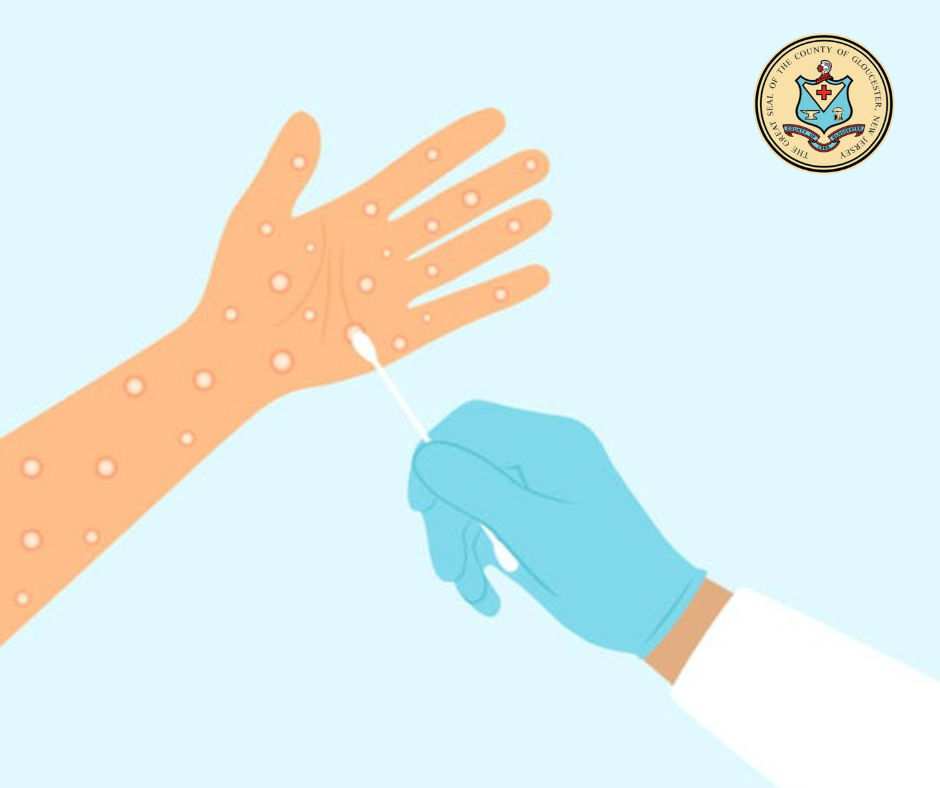
First case of West Nile Virus of the year detected in Camden County

Vector illustration

(Gloucester Township, NJ) – The Camden County Department of Health and Human Services has detected the year’s first case of West Nile Virus in a Camden County resident.

On September 30, a positive laboratory test result for West Nile Virus (WNV) was reported to the Camden County Department of Health and Human Services (CCDHHS) and an investigation was initiated.

“West Nile Virus is not typically widespread here in New Jersey; however, it is still important for residents to remain vigilant and watch for symptoms,” said Commissioner Virginia Betteridge, liaison to the Department of Health and Human Services. “The Camden County Department of Health and Human Services will continue to work with the county Mosquito Control Commission to ensure that additional spraying, treatment of waterways and testing will be conducted in the area.” Continue reading “First case of West Nile Virus of the year detected in Camden County”

Local After-School Programs That Help Kids Stay Healthy & Active

Image from Unsplash

When the school bell rings in Gloucester City, many parents are already thinking about how their children will spend the rest of the afternoon. While homework and family time are important, after-school hours are also a chance for kids to build healthy habits. Some families even look to supportive services, such as a pediatric chiropractor, when children experience posture or mobility issues related to growth or sports. But for most kids, the foundation of wellness is found in community-based after-school programs that combine physical activity, learning, and fun.

Here’s a look at the variety of local programs that help kids stay active and healthy, both in body and mind.

Sports Leagues and Youth Athletics

Organized sports are among the most popular after-school activities for children in Gloucester City and surrounding towns. Local leagues give kids the chance to stay active while learning teamwork, discipline, and resilience.

  • Soccer and Basketball: Community centers and schools frequently host seasonal leagues. These sports are accessible for beginners and provide excellent cardiovascular exercise.
  • Baseball and Softball: Spring leagues continue to draw strong interest, giving kids an outlet for coordination and skill-building.
  • Cheerleading and Dance Teams: These programs encourage rhythm, flexibility, and self-confidence, while also promoting group cooperation.

Beyond the fun, these activities help kids establish fitness routines early in life, which research shows reduces the risk of chronic disease later on.

Creative Arts with a Physical Edge

Not every child thrives in competitive sports, and that’s where creative arts programs with a physical element shine. After-school dance classes, theater groups, and even martial arts studios throughout South Jersey give children a chance to stay active while expressing themselves.

  • Dance Programs: Ballet, jazz, and hip-hop all combine creativity with balance, coordination, and flexibility.
  • Martial Arts: Karate, taekwondo, and judo teach discipline and respect while offering full-body workouts.
  • Theater Workshops: Acting may not sound physical, but rehearsals, stage movement, and performances keep kids on their feet and engaged.

These options appeal to kids who want something more expressive than team sports while still benefiting from regular movement.

Homework Help Meets Wellness

Some after-school programs take a blended approach by combining academic support with wellness activities. Gloucester City schools and community organizations often provide tutoring or homework help sessions that include scheduled breaks for physical play.

This model benefits children in two ways:

  1. Academic Success: Kids stay on top of their schoolwork with guidance from tutors or older students.
  2. Active Habits: Break times are structured to encourage games, stretching, or outdoor activities instead of screen time.

By tying physical activity to academic programs, these initiatives emphasize the connection between mental and physical health.

Community Centers and YMCA Programs

Community centers and YMCA branches in the wider South Jersey region play a vital role in providing safe, structured after-school spaces. These programs often include swimming, fitness classes, and even healthy snack initiatives.

Parents also value the built-in social environment. Children from different schools and neighborhoods come together, creating friendships that extend beyond their classrooms. For working families, these programs are a reliable option that keeps kids supervised and active until evening.

Why Physical Activity Matters for Kids

Image from Unsplash

The U.S. Centers for Disease Control and Prevention (CDC) emphasizes that children need at least 60 minutes of physical activity per day for healthy growth and development. After-school programs fill a critical gap, especially when school hours or weather limit outdoor play.

Benefits include:

  • Stronger bones and muscles.
  • Improved mental health and reduced stress.
  • Better concentration and academic performance.
  • Lower risk of childhood obesity and related health conditions.

With many children spending hours in front of screens, structured programs provide the necessary balance of movement and social interaction.

Tips for Parents Choosing a Program

Selecting the right program depends on your child’s interests, needs, and schedule. Here are a few things to keep in mind:

  • Match Activities to Interests: Kids are more likely to stick with a program they enjoy, whether it’s basketball, drama, or martial arts.
  • Consider Accessibility: Look for programs close to home or school to minimize travel stress.
  • Check Supervision and Safety: Ask about staff training, group sizes, and safety protocols.
  • Balance Structure and Flexibility: A good program offers structured activities but also time for free play and creativity.
  • Look for Holistic Options: Programs that combine academics, physical activity, and social learning provide well-rounded benefits.

The Bigger Picture: Building Lifelong Habits

After-school programs aren’t just a way to keep kids busy; they’re stepping stones toward lifelong habits of health and community involvement. By participating in activities that encourage movement, teamwork, and creativity, children gain confidence and learn the value of balancing responsibility with fun.

For parents, these programs offer peace of mind, knowing that their children are spending time in safe, structured, and beneficial environments. And for the community, they strengthen social ties by bringing families and neighborhoods together.

In Gloucester City and across South Jersey, after-school programs are doing more than filling time, they’re shaping healthier, happier kids. Whether through competitive sports, creative arts, or community-based wellness activities, these programs give children the tools they need to thrive.

By exploring the range of options available and encouraging kids to get involved, parents can help build a foundation of health that will last a lifetime.

Healthy Living in Gloucester City: Beyond Diet and Exercise

Image from Unsplash

For many Gloucester City residents, staying healthy goes far beyond the basics of eating well and hitting the gym. Wellness is shaped by the routines, services, and resources we lean on every day, from annual physicals to visits with specialists such as Vancouver Dental Specialty Clinic. But truly healthy living includes more than personal checkups; it’s about the spaces we inhabit, the choices we make as families, and the way our community supports long-term well-being.

Here are several dimensions of health that Gloucester City families can focus on to create stronger, happier lifestyles.

Building Mental Wellness into Daily Life

Healthy living starts with the mind. Stress, anxiety, and lack of rest can undermine even the best diets or exercise routines. In Gloucester City, families can benefit from:

  • Mindful routines: Morning walks along the waterfront or quiet time before the school rush can help set a calmer tone for the day.
  • Community activities: Local clubs, church groups, or volunteer opportunities provide social connection, which research consistently shows lowers stress.
  • Digital boundaries: Setting limits on screen time, especially for children, helps improve sleep and reduces overstimulation.

Investing in mental wellness is as important as physical checkups, and often requires only small, consistent changes.

Creating Healthier Homes

Our houses play a huge role in overall wellness. Older Gloucester City homes, while full of character, can also hide risks like dust, mold, or outdated safety features.

  • Clean air: Change HVAC filters regularly and consider using portable air purifiers. Poor indoor air quality is linked to asthma and other respiratory issues.
  • Safe water: If your home has aging plumbing, periodic testing ensures your family is drinking clean, safe water.
  • Clutter-free spaces: Decluttering reduces stress and creates more room for activity.

The CDC notes that improving the home environment, from air quality to safe storage of chemicals, significantly reduces preventable health risks.

Staying Active in Creative Ways

Exercise is crucial, but it doesn’t always have to mean a gym membership. Gloucester City residents can take advantage of outdoor and community resources:

  • Parks and trails: Walks along Newton Creek or jogs at nearby playgrounds offer free, refreshing options.
  • Family fun: Activities like bike rides, backyard soccer, or dance nights at home keep everyone moving without feeling like a chore.
  • Community centers: Local fitness programs often offer affordable group classes, from yoga to martial arts.

The goal is consistency. Finding activities you genuinely enjoy makes exercise feel less like work and more like recreation.

Preventive Care and Regular Checkups

Image from Unsplash

While it’s tempting to only seek care when problems arise, preventive healthcare is one of the smartest investments in long-term wellness. This includes:

  • Annual physicals: Early detection of conditions like high blood pressure or diabetes helps manage them more effectively.
  • Dental and specialty care: Oral health plays a surprisingly big role in overall well-being. Regular cleanings and visits to providers like Vancouver Dental Specialty Clinic can prevent issues before they become serious.
  • Vaccinations and screenings: Staying up to date keeps both individuals and the broader community healthier.

By weaving preventive care into your yearly calendar, you reduce the risk of emergencies and improve your overall quality of life.

Nutrition Beyond “Dieting”

Food is more than calories; it’s fuel for body and mind. Many Gloucester City families find that small, realistic changes are easier to sustain than strict diets.

  • Local produce: Take advantage of South Jersey’s farmers’ markets for fresher, nutrient-rich options.
  • Meal prep: Cooking simple meals in advance cuts down on last-minute fast food runs.
  • Hydration: Water is often overlooked but essential for concentration, digestion, and energy.

Focusing on balance rather than restriction makes healthy eating feel less like punishment and more like a lifestyle choice.

Community Support as a Wellness Tool

Wellness is stronger when shared. Gloucester City’s sense of community can be an anchor for healthier living.

  • Neighbors helping neighbors: Simple check-ins reduce isolation, especially for seniors.
  • Local initiatives: City clean-ups or fitness events bring people together while encouraging active participation.
  • School programs: Encouraging children to join after-school sports or creative clubs helps build routines they can carry into adulthood.

When the community thrives, individual families thrive with it.

In Gloucester City, healthy living means more than just counting steps or watching calories. It’s about cultivating balance in mental health, home environment, preventive care, and community support. Whether you’re scheduling a visit to Vancouver Dental Specialty Clinic for specialized care or joining neighbors for a Saturday clean-up, every choice contributes to a stronger, healthier community. By expanding the definition of wellness beyond diet and exercise, residents can enjoy lives that are more vibrant, connected, and resilient.

How Gloucester City Residents Can Better Cope With Seasonal Stress

Image from Unsplash

As the seasons shift in Gloucester City, many people notice subtle but real changes, not just in temperature or daylight, but in how they feel. Shorter, darker days; colder weather; the end of summer routines, all of it can weigh on our mood. While some seek help from mental health professionals, others turn to supports including Forward Mind Counselling to get through harder months. If you’ve ever felt the heavy pull of seasonal stress, here are practical ways to cope, adapt, and protect your mental wellness in these changing seasons.

What Is Seasonal Stress & Why It Hits Us

Seasonal stress isn’t a formal diagnosis (unless it meets the criteria for Seasonal Affective Disorder, or SAD), but many people experience mood shifts, fatigue, or low motivation during certain times of the year. Common triggers include:

  • Less daylight, which can disrupt sleep cycles and natural energy rhythms
  • Colder weather, meaning fewer chances for outdoor activity
  • The close of summer routines, less structure, changing social schedules
  • Holidays and family obligations, which can bring both joy and pressure

While many tolerate these changes fairly well, for some residents, especially those already dealing with anxiety, depression, or limited sunlight, seasonal stress can compound existing challenges.

Key Signs to Watch For

If you live in Gloucester City (or anywhere with distinct seasonal shifts), you might notice:

  • Feeling more tired than usual or needing more sleep but still waking unrested
  • Losing motivation to hang out with friends or do things you normally enjoy
  • Craving more comfort foods or sugary treats
  • Greater irritability, sadness, or mood swings
  • Trouble concentrating, or feeling “foggy” mentally

Recognizing these signs early can help you take proactive steps rather than letting stress build up.

Evidence-Backed Coping Strategies

Image from Unsplash

As the seasons shift in Gloucester City, many people notice subtle but real changes, not just in temperature or daylight, but in how they feel. Shorter, darker days; colder weather; the end of summer routines, all of it can weigh on our mood. While some seek help from mental health professionals, others turn to supports including Forward Mind Counselling to get through harder months. If you’ve ever felt the heavy pull of seasonal stress, here are practical ways to cope, adapt, and protect your mental wellness in these changing seasons.

What Is Seasonal Stress & Why It Hits Us

Seasonal stress isn’t a formal diagnosis (unless it meets the criteria for Seasonal Affective Disorder, or SAD), but many people experience mood shifts, fatigue, or low motivation during certain times of the year. Common triggers include:

  • Less daylight, which can disrupt sleep cycles and natural energy rhythms
  • Colder weather, meaning fewer chances for outdoor activity
  • The close of summer routines, less structure, changing social schedules
  • Holidays and family obligations, which can bring both joy and pressure

While many tolerate these changes fairly well, for some residents, especially those already dealing with anxiety, depression, or limited sunlight, seasonal stress can compound existing challenges.

Key Signs to Watch For

If you live in Gloucester City (or anywhere with distinct seasonal shifts), you might notice:

  • Feeling more tired than usual or needing more sleep but still waking unrested
  • Losing motivation to hang out with friends or do things you normally enjoy
  • Craving more comfort foods or sugary treats
  • Greater irritability, sadness, or mood swings
  • Trouble concentrating, or feeling “foggy” mentally

Recognizing these signs early can help you take proactive steps rather than letting stress build up.

Evidence-Backed Coping Strategies

Image from Unsplash

The U.S. Centers for Disease Control and Prevention (CDC) offer a range of suggestions for managing stress that apply especially during seasonal transitions. These aren’t cures, but they’re helpful for many people.

Here are some of the most effective:

  1. Improve your sleep routineTry to go to bed and wake up at consistent times, even on weekends. Avoid screens right before bedtime. Getting quality sleep helps regulate mood and stress hormones.
  2. Get outdoors, even when it’s cold or darkNatural light, even on overcast days, can help. A brisk walk or brief exposure to daylight in the morning makes a difference. You might bundle up for a walk through a local park.
  3. Build gentle, regular movement into your dayExercise doesn’t have to be intense. Yoga, stretching, light strength work, or simply walking help ease tension, improve mood, and promote good sleep.
  4. Stay socially connectedWeather and shorter days can reduce social interaction. Make it a point to schedule connection, chat with friends, join a local group, or share a meal. Social support is one of the strongest buffers against stress.
  5. Mind your diet and hydrationSeasonal changes can lead to cravings. Focus on whole foods, fruits and vegetables, lean protein. Stay hydrated; indoor heating can dehydrate skin and throat. Supplement light when possible (vitamin D, if your doctor recommends it).
  6. Practice mindfulness or relaxation techniquesActivities like deep breathing, meditation, journaling, or simply listening to calming music can lower emotional reactivity. Starting small, 5 minutes a day, can build up over time.
  7. Plan for light exposure where neededIf you find that darker months feel harder, consider alternatives like light therapy lamps (under guidance) to simulate natural light. Also, keep indoor lighting bright, particularly in spaces where you spend early morning or evening hours.

Local Activities & Resources in Gloucester City

You don’t have to go far to find support. Here are local ways to work through seasonal stress:

  • Community centers and groups: Look for wellness workshops, guided walks, or support circles offered locally. These help with movement and connection.
  • Libraries: Many host free events, reading groups, or cozy, warm quiet spaces, perfect for mental rest.
  • Parks and trails: Gloucester City and nearby areas often maintain parks, walking or being in nature is restorative.
  • Professional support: For deeper or persistent symptoms, counselling services (like Forward Mind Counselling) offer trained help in managing stress, anxiety, or mood changes.

Habits That Help Year-Round

Here are habits that don’t just work seasonally, they build resilience all year:

  • Routine & structure: Even when days feel more disordered, keeping a consistent schedule for meals, sleep, movement, and rest maintains balance.
  • Set boundaries with holiday and work demands: It’s okay to say no, delegate, or scale back expectations.
  • Limit exposure to seasonal stress sources: News negativity, overcommitment, financial pressure. Choose what to engage with.
  • Celebrate small wins: Whether finishing a task, getting out for a walk, or connecting with a friend, recognizing small achievements helps improve mood.

When to Seek Additional Help

Seasonal stress is common, but sometimes symptoms grow more severe. Consider reaching out if:

  • Mood changes or fatigue persist for most of the season and interfere with daily function
  • You find yourself withdrawing socially or losing interest in things you once enjoyed
  • Sleep suffers in a way that feels crippling rather than annoying
  • You have thoughts of hopelessness or self-harm

If that happens, professional mental health resources are essential, counsellors, therapists, or primary care providers can help determine if something like SAD or another condition is involved.

Seasonal Allergies or Pest Infestation? How to Tell the Difference

It starts with sneezing, itchy eyes, or congestion—symptoms many people associate with seasonal allergies. Yet sometimes, the culprit isn’t pollen or weather changes but something much closer to home. The overlap between allergy symptoms and reactions caused by pests often leads to confusion and misdiagnosis.

When discomfort lingers indoors, it may signal that pests are contributing to the problem. Dust mites, cockroaches, rodents, and even bed bugs can all create conditions that mimic typical allergies. Left unchecked, these infestations not only disrupt comfort but also impact overall health.

This is why professional help matters. A skilled exterminator can determine whether symptoms are environmental or pest-related, giving families clarity and relief. Agile Pest Control often finds that what seems like allergies is actually the result of hidden infestations.

Why Allergy Symptoms Can Be Misleading

The human body reacts similarly to different triggers. Whether it’s pollen, mold, or pest droppings, the immune system responds with inflammation and irritation. This overlap makes it difficult to tell the difference without close observation.

For example, symptoms that persist indoors or worsen in specific rooms often point to pests. While allergies tend to improve with cleaner air or time spent outside, pest-related reactions remain steady or intensify. Recognizing this pattern can prevent months of misdirected treatment.

Pests That Commonly Mimic Allergies

Not all pests trigger reactions in the same way. Some release airborne particles, while others cause direct skin irritation.

Dust Mites

These microscopic organisms thrive in warm, humid environments such as bedding, carpets, and upholstered furniture. Their waste particles act as potent allergens. Nighttime symptoms like sneezing, congestion, or worsening asthma are common indicators. Relief often comes when staying away from home, suggesting an indoor source.

Cockroaches

Cockroach droppings and shed skins release proteins that act as allergens. These particles can settle in ductwork, under appliances, and in hidden corners, easily spreading through the air. Children are especially vulnerable, often experiencing asthma flare-ups when exposure is prolonged.

Rodents

Mice and rats produce dander and urine that evaporate into the air. Infestations hidden in attics, basements, or behind walls can cause reactions without direct contact. Noises at night, missing pet food, or droppings in storage areas provide additional clues that rodents may be present.

Bed Bugs

Unlike airborne allergens, bed bugs create reactions through bites. These often appear as red, itchy clusters on exposed skin. Because skin responses vary, some individuals confuse bites with hives or eczema. Disrupted sleep, small blood spots on sheets, or dark specks near mattresses often confirm their presence.

Key Differences Between Allergies and Pests

Comparing symptoms against environmental conditions helps clarify the cause.

  • Seasonal allergies usually improve outdoors, while pest reactions remain constant indoors.
  • Bed bug reactions typically appear on the skin, while pollen allergies rarely cause visible marks.
  • Allergies affect the whole home, but pests often cause issues in specific rooms.
  • Pest-related reactions may worsen after cleaning or in cluttered areas where allergens are stirred up.

Recognizing these patterns makes it easier to know when to consult an exterminator.

When to Seek Professional Help

Persistent symptoms are often the clearest signal that pests could be involved. If over-the-counter allergy medications no longer bring relief, or if visible signs like droppings or bites appear, it’s time for inspection.

Agile Pest Control trains technicians to assess indoor environments for both pests and their impact on health. Their inspections often uncover infestations that families did not suspect, such as hidden cockroach activity or bed bugs in headboards.

The Health Benefits of Pest Management

Addressing pest infestations improves more than just comfort. By reducing allergens and irritants, professional pest control Colts Neck NJ enhances indoor air quality and minimizes asthma triggers. Rodent infestations, for instance, can contribute to dangerous airborne particles. Eliminating the source helps restore a healthier environment.

Bed bug treatments, while focused on eradicating pests, also provide relief from stress and sleep disruption. Many homeowners underestimate the psychological toll of living with unexplained rashes or restless nights. Resolving these issues through targeted treatment helps restore normal routines.

Steps to Reduce Both Allergens and Pests

While professional intervention is essential for established infestations, there are preventative measures homeowners can take:

  • Wash bedding in hot water weekly to control dust mites.
  • Store food in sealed containers and clean crumbs promptly to deter cockroaches and rodents.
  • Reduce clutter to limit hiding places for pests.
  • Use mattress covers to block bed bugs and dust mites.
  • Install high-quality air filters to remove airborne particles.

These steps support extermination efforts while making the home less inviting to future pests.

The Risk of Delay

Ignoring symptoms under the assumption they are seasonal can prolong exposure. Over time, this increases discomfort and can exacerbate conditions like asthma. Children and elderly individuals are especially vulnerable to pest-related allergens.

The longer pests remain active, the harder they are to control. Bed bugs spread quickly, rodents reproduce rapidly, and cockroach allergens accumulate in hidden spaces. Delayed action often transforms a manageable problem into a widespread infestation.

Final Thoughts

Not every sneeze or rash comes from pollen. Sometimes, the home itself is the source of discomfort. By learning to distinguish between seasonal allergies and pest activity, families can protect their health and peace of mind.

When symptoms persist without relief, an inspection is a wise next step. Agile Pest Control encourages homeowners to look beyond the obvious and consider the possibility of pests. With professional support, clarity replaces uncertainty, and relief replaces discomfort.

Manual massage: why it is needed and how it helps

Massage is not only a pleasant procedure but also a powerful tool for maintaining health and well-being. This technique has been around since ancient times, which proves its effectiveness, confirmed not only by time but also by numerous modern studies. 

Needless to say, massage is also a powerful tool for maintaining physical and mental health. Its positive effect on blood circulation, muscle tone, and the nervous system makes it an indispensable part of taking care of your body. Therefore, don’t miss the opportunity to enjoy this procedure, which gives you vigor and vitality for the whole day. Go to any search engine, type in “massages near me,” and choose the one that’s right for you!

Why massage is necessary

Massage, as a comprehensive procedure, is widely used for both aesthetic and therapeutic purposes. The variety of massage techniques and their effectiveness make it an integral part of caring for one’s health and well-being.

One of the important aspects of massage is its relaxing effect. The skilled touch of a massage therapist can relieve muscle tension and improve muscle function. This helps to eliminate back and joint pain and restore mobility and comfort in everyday life.

Massage also helps normalize blood circulation, which means more efficient delivery of oxygen and nutrients to organs and tissues. This is important for the health of internal organs and improving the overall condition of the body.

It should be noted that massage is not limited to external effects on the skin and muscles. During the procedure, there is a deeper interaction with the body. Receptors respond to various movements of the specialist, which are converted into nerve impulses. This reduces receptor irritation, reduces tissue clamping, and restores their elasticity and mobility.

The benefits of massage

Massage is a powerful tool for maintaining and restoring health, which has a beneficial effect on various systems and organs of the body. During massage, the following occurs:

  • Improved blood circulation, lymph flow, and blood circulation, which enriches tissues with oxygen and nutrients. It also helps the body get rid of harmful substances, waste products, and toxins faster.
  • Relief of pain and muscle tension. Therapeutic massage effectively eliminates pain and relieves muscle tension. It can be especially helpful for conditions such as osteochondrosis, osteoarthritis, and scoliosis.
  • Boosting immunity and strengthening the immune system, making the body more resistant to infections and diseases.
  • Relaxation and stress relief, beneficial effects on the nervous system, and reduction of stress and anxiety. Regular sessions promote deep relaxation and improve mental and emotional well-being.
  • Improves skin condition and cleanses it, making it more supple and healthy. This is especially relevant for manual modeling and facial massage.
  • Restoring mobility and flexibility to muscles and joints, which is especially important in treating injuries and rehabilitation after surgery.

Each type of massage has its own characteristics and is aimed at solving specific problems. It can be both therapeutic and wellness-oriented, depending on the needs of the body. It is important to remember that effectiveness depends on correctly selected parameters: the pace, strength, and duration of the procedure, which must be individually tailored to each person.

How often should you get a massage?

The frequency and number of massage sessions depend on the purpose of the massage, the type of massage, the patient’s current state of health, and the specialist’s recommendations. Here are some general recommendations for different types of massage:

  • Preventative. If massage is performed for preventative purposes or relaxation, it can be done 1-2 times a month.
  • Therapeutic In the case of treating certain diseases or conditions, the frequency may be higher. For example, for osteochondrosis, a course of 10-15 sessions with a frequency of 2-3 times a week is recommended.
  • Athletic. Athletes may get massages more often to help their muscles recover after training. It really depends on how intense their workouts are.
  • Massage for injuries and rehabilitation. During recovery from injuries or surgery, massage may be prescribed daily, but it all depends on the nature of the injury and the doctor’s recommendations.
  • Anti-cellulite. To combat cellulite, a course of 10-15 sessions is usually recommended, with a frequency of 2-3 times a week, after which you can switch to maintenance sessions once a month.
  • Cosmetic facial massage. A course of 10-12 sessions twice a week is usually recommended, followed by maintenance treatments once or twice a month.

It is important to understand that each person is unique, and the optimal number and frequency of massage sessions may vary.

Comments

SCB2VZrQ AmeriHealth teamed up with Virtua Health, South Jersey’s largest health system, to host a vibrant and impactful Senior Health Expo last week at the Virtua Health and Wellness Center in Camden, N.J. The event brought together seniors from Camden and nearby communities for a morning of free health screenings, wellness resources, and expert guidance – all aimed at improving access to preventive care and addressing health disparities. Attendees received complimentary services including:

  • Blood pressure checks
  • Diabetic retinal eye screenings
  • Diabetic blood and urine testing
  • Advanced care planning education
  • Mammogram scheduling
  • Fall prevention and sit-to-stand testing
  • On-site support from Virtua representatives to help navigate available health and home care services
  • Social services and Camden municipality resources

Dr. Donna Raziano, network medical director at AmeriHealth, emphasized the importance of early detection and preventive care. “This expo is a vital opportunity to prevent problems and address health issues early,” she said. “We’re committed to helping seniors overcome barriers and gain access to quality health care.” Dr. Mary Campagnolo, medical director for value-based programs and payer contracts for the Virtua Medical Group physician network, echoed the sentiment. “It can be difficult for seniors to access the care they need to maintain their health as they age,” said Dr. Campagnolo. “This expo offered a friendly, convenient place to connect with Virtua Medical Group clinicians and staff, as well as other Virtua services. Our providers addressed gaps in each person’s care and guided them in their next steps toward their highest level of health. We are grateful for the collaboration with AmeriHealth on this event tailored to our Virtua Medical Group patients.” AmeriHealth representatives from Medicare, Health Coaches, Population Health, and Member Services were on hand to connect with attendees and offer personalized support. Nurses and community health workers from Virtua also played a key role in guiding participants through available services. About Virtua Health Virtua’s not-for-profit, academic health system is committed to helping the people of South Jersey and beyond be well, get well, and stay well. With five hospitals, satellite emergency departments, ambulatory surgery centers, and over 400 locations, Virtua delivers health services directly into the region through Hospital at Home, rehabilitation, home care, and paramedic programs. Virtua is academically affiliated with Rowan University and partners with Penn Medicine and the Children’s Hospital of Philadelphia. Virtua Medical Group is a network of physicians exclusively affiliated with Virtua Health, who are located throughout the region and practice a wide range of specialties. Learn more at virtua.org. About AmeriHealth For 30 years AmeriHealth HMO, Inc and AmeriHealth Insurance Company (collectively AmeriHealth) has been dedicated to enhancing the health and well-being of the people and communities we serve. AmeriHealth gives our members peace of mind knowing we have people who care, solutions that work and next-generation technology to handle all health care needs. We offer one of the largest networks, robust health and wellness programs, and a wide range of affordable health plans to meet the unique needs of individuals, businesses, municipalities and organizations across New Jersey, Pennsylvania and select regions nationwide. We also offer administrative services to self-funded groups. Named one of the Best Places to Work for the past 12 years, AmeriHealth is headquartered in Cranbury, NJ. For more information visit amerihealth.com.

 Top 10 Digital Marketing Tactics Every Chiropractor Should Know

There’s no denying that the way people search for healthcare providers has changed dramatically in recent years. It’s no longer enough to rely on word-of-mouth referrals and a sign out front – these days, your clinic’s success depends on your ability to reach patients online, build trust digitally, and convert web traffic into appointments. Whether you’re running a solo chiropractic practice or managing a whole team of chiropractors, leveraging the right digital marketing strategies can transform your visibility and attract a steady flow of new patients. Here are 10 digital marketing tactics that every chiropractor should know.

Invest in a Professional Website

Your website is the digital front door to your clinic. It’s often the first impression potential patients will have of your business… so it really needs to count. A professionally designed website should be:

  • Mobile responsive
  • Fast-loading
  • Easy to navigate
  • Optimised for conversions (with clear calls-to-action)

It should also showcase your services, clinic location, practitioner bios, and ideally, patient testimonials. A blog and FAQs section can also help educate your audience and improve your visibility on Google.

Local SEO is Non-Negotiable

When someone in your area searches for “chiropractor near me” or “back pain treatment [suburb name]”, you want your clinic to be at the top of those search results. That’s where local SEO (Search Engine Optimisation) comes into play. Focus on:

  • Optimising your Google Business Profile
  • Including suburb-specific keywords across your site
  • Gaining positive local reviews on Google and other platforms

Partnering with a chiropractor SEO agency can make a huge difference by implementing proven strategies tailored to your industry and local area.

Embrace Content Marketing

Regularly publishing blog posts, articles, and educational content positions you as an authority in your field (not to mention it helps improve your rankings in search engines!). Topics could include:

  • Tips for managing neck or back pain
  • The benefits of chiropractic care for athletes
  • How posture affects spinal health

The key is to provide value, build trust, and keep your clinic top-of-mind when readers decide it’s time to book an appointment.

Harness the Power of Online Reviews

Positive reviews can act as powerful social proof, especially for potential patients who may be nervous about seeing a chiropractor for the first time. Encourage satisfied patients to leave Google reviews by:

  • Asking in person after an appointment
  • Sending a polite follow-up email with a review link
  • Displaying signage in your waiting room with a QR code

Respond to all reviews (both positive or negative) in a professional and timely manner – this not only builds credibility but also shows prospective patients that you care.

Use Paid Ads Strategically

Pay-per-click (PPC) advertising through Google Ads or social media platforms like Facebook can be highly effective for chiropractors, especially when you’re targeting specific suburbs or conditions (e.g. “sciatica treatment in Fitzroy”). Start small, test your messaging, and refine your targeting based on what works – an effective campaign can bring in immediate traffic while your SEO efforts gain momentum.

Be Active on Social Media

While not every chiropractor needs to be dancing on TikTok, maintaining an active and authentic presence on social media can help humanise your brand and engage your community. Use platforms like Facebook and Instagram to:

  • Share educational posts
  • Celebrate clinic milestones
  • Introduce staff
  • Promote seasonal offers or new services

Live videos or quick Q&As can also be great for showcasing your knowledge and building rapport with your audience.

Prioritise Email Marketing

Email marketing isn’t just for online retailers – it can be a powerful retention tool for chiropractors as well. Use email campaigns to:

  • Remind patients of upcoming or overdue appointments
  • Share blog posts or health tips
  • Promote new services
  • Offer exclusive discounts

Just be sure to segment your lists (e.g., new patients vs. long-term clients) so your messages feel personalised and relevant.

Create Helpful Videos

Videos are one of the most engaging forms of content online, and they’re particularly powerful in the health space. Consider filming:

  • Short demonstrations of stretches or exercises
  • “Day in the life” snippets of your clinic
  • Answers to common patient questions

These videos can be used across YouTube, your website, and social media; helping boost your visibility and credibility all at once.

Track and Analyse Your Results

Marketing without data is like adjusting a spine in the dark. Why not use tools like Google Analytics and Meta’s Ad Manager to track what’s working (and what isn’t)? Key metrics to monitor include:

  • Website traffic sources
  • Bounce rate and time on site
  • Conversion rates (e.g., how many visitors book appointments)
  • ROI on paid ads

Analysing this data will help you make informed decisions and improve your marketing over time.

Stay Consistent and Committed

Digital marketing isn’t a one-and-done job; it’s a long-term investment in your clinic’s future. The most successful chiropractic practices are the ones that consistently apply these tactics and evolve their strategy based on results.

The digital space is competitive for chiropractors, but it’s also full of opportunity

With the right mix of local SEO, content creation, paid advertising and patient engagement, your chiropractic clinic can thrive both online and offline. The key is to think like your patients: Where are they searching? What information do they need? What would make them feel confident in booking an appointment? Get that right, and the rest will follow.