
1. The Accelerated Evolution of Visual Computing
In the fast-moving tech ecosystem, information velocity dictates market leadership. From breakthrough SaaS platforms and deep-tech hardware to decentralized infrastructure, explaining complex technical concepts requires rich, engaging visual media. However, visual production has historically been one of the slowest, most resource-intensive bottlenecks in tech development.
The rapid maturation of generative artificial intelligence and neural rendering models is dismantling these legacy barriers. What once required multi-week CGI pipeline cycles, complex 3D physics engines, and dedicated server farms is now being synthesized through neural networks in hours. We are entering an era where computational power directly fuels creative scalability.
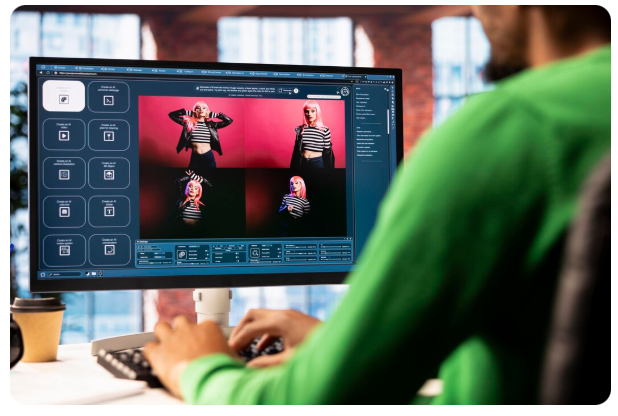
2. Technical Foundations: Behind the Generative Motion Revolution
The shift from keyframe-based digital animation to synthetic video production is powered by substantial advancements in machine learning architectures:
- Latent Diffusion & Temporal Consistency: Modern diffusion architectures maintain frame-to-frame coherence, resolving early challenges with visual flickering and morphing artifacts.
- Multimodal Prompt Synthesis: Deep learning models can translate complex technical prompts, code structures, and reference blueprints into high-resolution cinematic sequences.
- Style & Geometry Control (ControlNet & LoRA): Fine-tuning adapters allow creators to maintain strict geometric boundaries, lighting parameters, and precise character/hardware consistency across complex motion paths.
3. How Tech Startups and Enterprises Leverage Neural Motion
For emerging software platforms and consumer tech innovators, neural video offers an unprecedented medium for product launches, technical explainers, and interactive brand experiences:
- Hyper-Realistic Product Prototyping: Rendering conceptual devices, futuristic interfaces, and abstract data flows before physical manufacturing begins.
- Dynamic Software Visualization: Transforming invisible computational processes—such as cybersecurity protocols, cloud infrastructure, or AI models—into clear, cinematic visual metaphors.
- Rapid Multi-Variant Asset Deployment: Testing different visual styles, pacing, and visual angles across digital distribution channels with minimal incremental overhead.
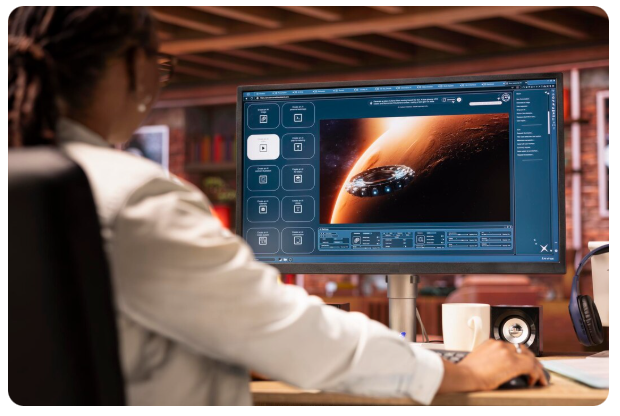
4. Bridging Algorithmic Compute with Senior Art Direction
While foundational AI models provide massive computational leverage, raw machine output alone cannot replace seasoned creative direction, narrative pacing, and technical precision. High-growth tech companies require visual assets that preserve strict brand guidelines while pushing creative boundaries.
To unlock the full potential of these emerging toolsets, tech enterprises partner with a specialized ai video agency to engineer bespoke neural workflows, integrate custom-trained style models, and produce studio-grade motion graphics. By merging high-level art direction with cutting-edge diffusion technology, tech brands achieve visual fidelity that stands out in saturated digital feeds.
5. Strategic Takeaways for Tech Creators and Media Strategists
- Adopt a Hybrid Creative Pipeline: Integrate AI video generation into early ideation and rapid storyboard development to shorten production timelines.
- Prioritize Narrative Clarity Over Novelty: Focus generative visuals on clarifying the core technical value proposition rather than relying solely on visual spectacle.
- Optimize for Cross-Platform Delivery: Deploy modular video assets tailored for responsive web applications, developer documentation, and high-engagement social formats.
6. The Horizon of Synthetic Media in Tech
As neural video pipelines integrate with real-time game engines, spatial computing, and interactive web architecture, the boundary between static code and dynamic media will continue to dissolve. For technology leaders, media innovators, and digital creators, mastering generative visual workflows is no longer an experimental luxury—it is the foundational standard for next-generation digital communication.